
Looking for a simple yet powerful way to grab attention and share your message? Flyers and leaflets could be exactly what you need.
Thank you for reading this post, don't forget to subscribe!Whether you want to promote an event, boost your business, or spread important information, these small pieces of paper can make a big impact. You’ll discover how flyers and leaflets work, why they still matter, and how you can use them to reach your audience effectively.
Keep reading, and you’ll learn easy tips to create designs that catch eyes and get results.
Benefits Of Flyers And Leaflets
Flyers and leaflets remain popular tools for spreading information. They reach many people quickly and clearly. Their simple design helps to share messages effectively.
These printed materials offer many benefits for businesses and events. They catch attention and deliver details in a compact format. This makes them useful in many situations.
Cost-effective Marketing
Flyers and leaflets cost less than many other advertising methods. Printing is affordable, especially for large quantities. Small businesses can promote without spending too much money.
Easy To Distribute
Flyers fit in hands, mailboxes, or doors. They travel well in public places or events. This ease of distribution helps reach a wide audience fast.
Clear And Focused Message
Flyers keep information short and to the point. Readers get the main message quickly. This clarity improves understanding and interest.
Local Targeting
Flyers work well for local businesses and events. Handing out nearby targets the right people. This focus increases chances of a good response.
Enhances Brand Awareness
Consistent use of flyers builds brand recognition. Seeing a logo and colors often helps memory. This creates trust and familiarity over time.
Key Elements Of Effective Design
Effective flyer and leaflet design grabs attention fast. It shares the message clearly. Good design makes people want to read more. It helps the flyer do its job well.
Several key elements build strong flyer design. Each part plays a role in catching eyes and keeping interest. Together, they create a balanced and clear look.
Headline That Captures Attention
The headline is the first thing people see. It must be short and strong. Use simple words that spark curiosity or show a benefit. Make it big enough to read from a distance.
Clear And Concise Message
The message explains what you offer or why it matters. Keep sentences short and easy to understand. Avoid jargon or complex words. Focus on the main point only.
Eye-catching Images
Images help tell the story without words. Use high-quality pictures that relate to the message. Bright colors or bold shapes can draw the eye. Avoid cluttering the space with too many visuals.
Call To Action
The call to action (CTA) tells readers what to do next. Use clear commands like “Call now” or “Visit today.” Make the CTA stand out using color or size. Place it where people naturally look last.
Balanced Layout And White Space
A clean layout guides the reader’s eyes smoothly. Leave enough white space to avoid crowding. Balance text and images evenly across the flyer. This creates a pleasant and easy reading experience.
Choosing The Right Format And Size
Choosing the right format and size for flyers and leaflets affects their impact and cost. The format decides how your message looks and how easy it is to read. Size influences where people can see your flyer and how much information fits inside. Picking the correct options can help your flyer stand out and reach the right audience.
Understanding Different Flyer Formats
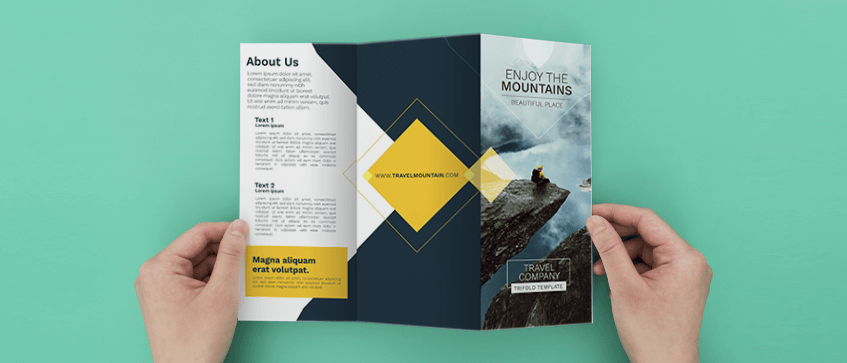
Flyers come in many formats. Common types include single-sided, double-sided, folded, and tri-fold. Single-sided flyers are simple and budget-friendly. Double-sided flyers offer more space for details. Folded and tri-fold flyers create sections for organized information. Choose a format that fits your message and budget.
Choosing The Best Size For Your Flyer
Standard sizes include A4, A5, and DL. A4 is large and good for detailed content. A5 is smaller and easier to hand out. DL size fits well in envelopes and pockets. The size you pick affects printing costs and how easy it is to distribute your flyer.
Matching Format And Size To Your Audience
Think about your target audience. Busy people prefer small, quick-to-read flyers. Events or promotions may need larger flyers to catch attention. Use a format and size that suit where and how your audience will see the flyer. This helps your message connect better.
Credit: www.solopress.com
Color And Typography Tips
Color and typography play key roles in making flyers and leaflets effective. They catch attention and guide the reader’s eye. Choosing the right colors and fonts helps deliver your message clearly.
Good color choices create mood and highlight important parts. Typography affects how easy the text is to read. Both need to work well together for the best impact.
Choosing The Right Colors For Flyers
Pick colors that fit your brand or event theme. Use bright colors to grab attention quickly. Soft colors work well for calm or elegant messages. Limit your palette to two or three main colors. Too many colors can make your flyer look messy.
Using Contrast To Improve Readability
Contrast helps text stand out from the background. Use dark text on a light background or light text on dark. Avoid colors that clash or blend together. Clear contrast makes your flyer easier to read from a distance.
Selecting Fonts For Easy Reading
Choose simple fonts that are easy to read. Sans-serif fonts work well for headlines and body text. Avoid overly decorative fonts that distract readers. Use bold or larger fonts to highlight key points.
Combining Fonts For Visual Interest
Use two fonts maximum to keep the design clean. Pair a bold font for titles with a simple font for text. Make sure the fonts complement each other. Keep font sizes consistent and balanced across the flyer.
Images And Graphics That Pop
Images and graphics make flyers and leaflets stand out. They catch the eye and hold attention. Good visuals help share your message fast and clear.
Choosing the right images can boost your flyer’s impact. Bright colors and sharp pictures attract more viewers. Graphics add style and help explain ideas quickly.
Use High-quality Images
Blurry or pixelated pictures look unprofessional. Use clear and sharp images. This shows you care about your message. High-quality photos make your flyer easy to read.
Choose Bold Colors
Bright colors grab attention better than dull ones. Use colors that match your brand or theme. Contrast helps important parts stand out. This guides the reader’s eyes to key points.
Keep Graphics Simple
Too many details can confuse the reader. Use simple shapes and icons. Clear graphics explain ideas quickly and clearly. This makes your flyer easy to understand.
Balance Text And Images
Images should support the text, not cover it. Leave enough space around pictures and words. A clean layout looks professional and inviting. Balance helps readers focus on your message.
Credit: www.printingcenterusa.com
Targeting Your Audience
Targeting your audience is key to creating effective flyers and leaflets. Knowing who you want to reach helps you design messages that catch attention. It also saves time and money by focusing on the right people.
Understanding your audience makes your flyer more clear and powerful. It guides the choice of words, images, and offers to include. This section explains how to identify and reach your ideal audience.
Identify Your Ideal Customer
Think about who needs your product or service the most. Age, gender, location, and interests matter. Write down details about your typical customer. This helps you speak directly to them in your flyer.
Choose The Right Location
Place your flyers where your audience visits often. Busy streets, shops, or community centers work well. The right spot increases the chance your message will be seen and read.
Use Simple And Clear Language
Use words your audience understands easily. Short sentences work best. Avoid difficult terms or jargon. Clear language keeps readers interested and makes your message stick.
Include A Strong Call To Action
Tell your audience what to do next. Examples: “Call now,” “Visit us today,” or “Get a free sample.” A clear call to action helps turn readers into customers.
Distribution Strategies For Maximum Impact
Distributing flyers and leaflets well makes a big difference. It helps reach the right people. It also improves the chances they will read and act on your message.
Good distribution plans put flyers where people notice them. Timing and place matter a lot. Smart choices save money and get better results.
Target The Right Audience
Know who should get your flyers. Focus on places where these people go. This makes your message more useful to them.
Think about age, interests, and habits. Hand out flyers near shops, schools, or parks they visit.
Choose High-traffic Locations
Select spots with many people passing by. Busy streets, markets, or events work well. More eyes on your flyers means more chances to connect.
Place flyers where people wait. Bus stops or queues are great places to catch attention.
Time Your Distribution
Pick times when your audience is active. Morning rush or lunch breaks are good for office workers. Weekends suit families or shoppers.
Match your flyer message with the time. For example, promote dinner deals in the afternoon.
Use Hand-to-hand Delivery
Give flyers directly to people. This personal touch helps get their attention. It feels polite and less like littering.
Train distributors to be friendly and clear. A smile and a few words can boost interest.
Leverage Local Businesses
Ask small shops or cafes to display your flyers. Their customers likely match your audience. It builds trust by association.
Offer to leave flyers at counters or community boards. It reaches people already interested in similar products.
Credit: www.gogoprint.co.th
Frequently Asked Questions
What Is The Difference Between Flyers And Leaflets?
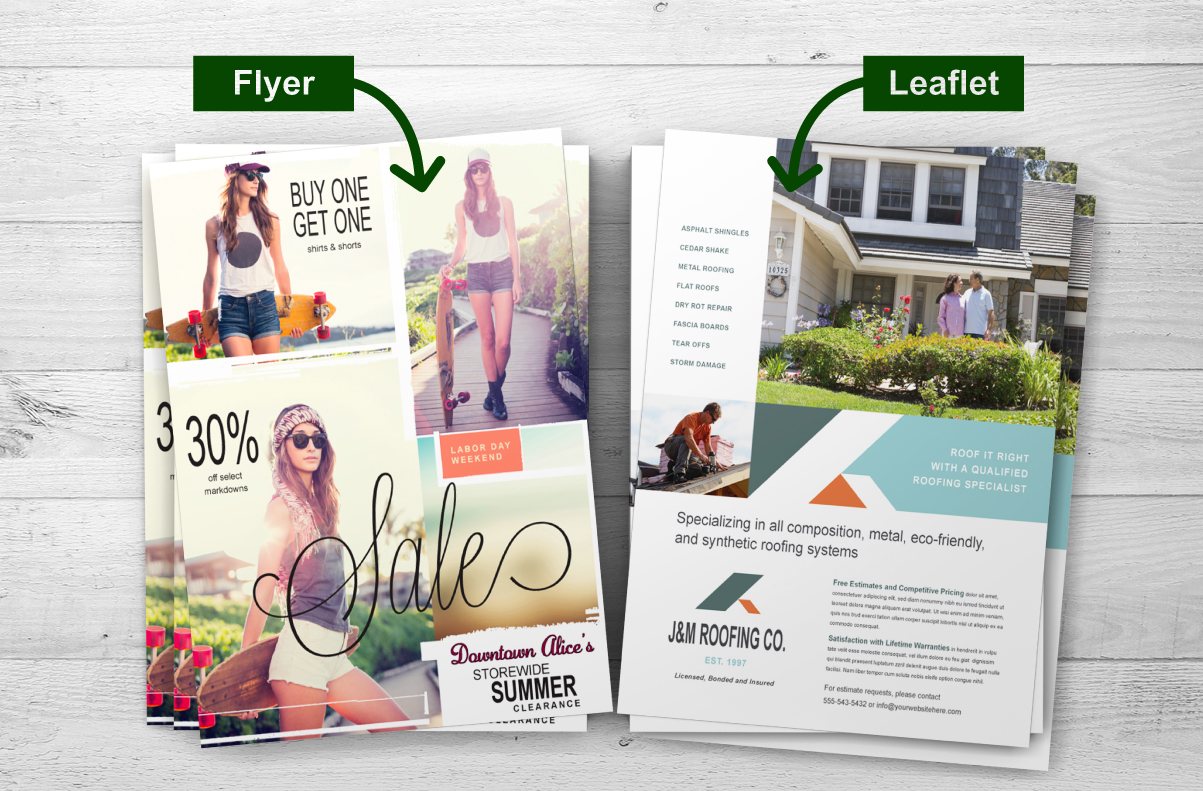
Flyers are usually one-page and used for quick ads. Leaflets can be folded and hold more information. Both help promote events or businesses.
How To Design An Effective Flyer Or Leaflet?
Use clear headlines and simple language. Add eye-catching images and keep the layout clean. Make sure contact details are easy to find.
What Size Is Best For Flyers And Leaflets?
Common flyer sizes are A5 and A6. Leaflets often use A4 or tri-fold formats. Choose size based on how much information you want to share.
Can Flyers And Leaflets Be Used For Online Marketing?
Yes, digital versions can be shared via email or social media. They help reach more people quickly and cheaply. Keep file size small for easy sharing.
How Much Does It Cost To Print Flyers And Leaflets?
Printing costs depend on paper quality, color, and quantity. Bulk orders usually lower the price per piece. Basic flyers can be very affordable.
Where Should I Distribute Flyers And Leaflets?
High-traffic areas like streets, malls, or events work well. Focus on places where your target audience visits. Always ask permission before handing out materials.
What Information Should A Flyer Or Leaflet Include?
Include your business name, logo, and main message. Add contact info like phone number or website. Use a call-to-action to encourage response.
Conclusion
Flyers and leaflets remain effective tools for sharing information. They catch attention quickly and deliver clear messages. Businesses can use them to reach local customers easily. Designing simple, bright, and focused prints helps people remember your message. Distributing them in busy places increases your chances of success.
Use flyers and leaflets to support your marketing goals. They offer a low-cost way to promote products or events. Keep your text short and images strong for best results. Flyers and leaflets work well when you want to connect with many people fast.
