
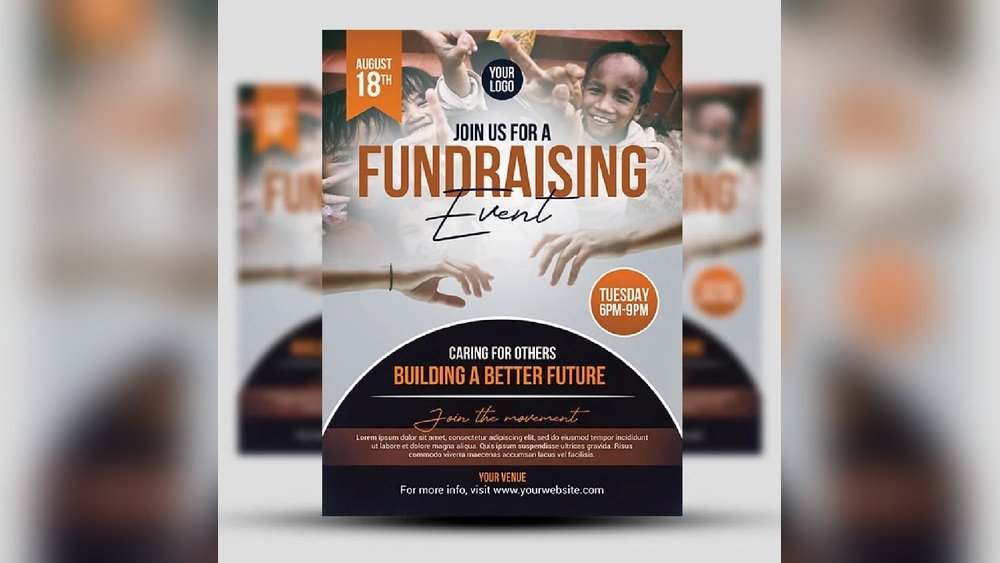
Are you planning an event and want to grab everyone’s attention? Your success often starts with one simple tool: event flyers.
Thank you for reading this post, don't forget to subscribe!These small pieces of paper can make a big impact when designed right. Imagine your flyer catching eyes, sparking curiosity, and getting people excited to join. You’ll discover how to create event flyers that not only look great but also get results.
Keep reading to unlock tips that will make your event impossible to ignore.
Purpose Of Event Flyers
Event flyers serve a clear and important role. They share key details about an event quickly. Flyers catch attention and invite people to join. They offer a simple way to spread the word.
Flyers make events visible in busy places. They help people decide to attend or skip. Flyers give a glimpse of what to expect. They can set the mood and build excitement.
Provide Essential InformationFlyers list the event name, date, and time. They include the location and entry details. Contact info is there for questions or help. This clear data guides potential attendees easily.
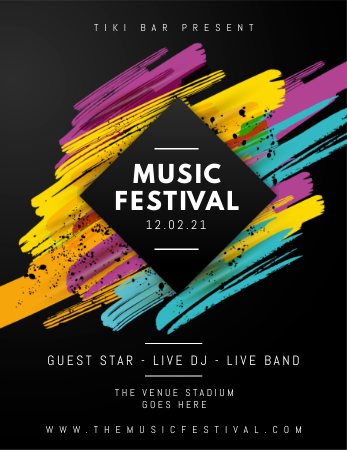
Attract AttentionBright colors and bold fonts make flyers stand out. Interesting images catch the eye in a crowd. Flyers use design to make people stop and look. They create curiosity about the event.
Encourage ActionFlyers often invite people to call or visit a website. They can offer discounts or special deals. This pushes people to respond fast. Flyers make joining the event simple and tempting.
Reach a Wide AudienceFlyers can be handed out or posted in public spots. They reach people who may not use the internet. Flyers spread event news in local communities. They connect with diverse groups easily.
Credit: www.postermywall.com
Key Design Elements
Designing an event flyer needs careful thought. Each element plays a role in catching attention and sharing information clearly. Good design helps people understand the event quickly and feel interested.
Color Schemes
Colors set the mood of your flyer. Choose colors that fit the event theme. Bright colors work well for fun events. Soft colors suit formal or calm gatherings. Use contrasting colors for text and background. This makes the words easy to read.
Typography Choices
Fonts give personality to your flyer. Pick simple fonts for easy reading. Use bold fonts for titles to grab attention. Avoid using too many different fonts. Stick to two or three types to keep a clean look. Make sure the font size is large enough.
Imagery And Graphics
Images help tell the event story. Use clear and relevant pictures. Avoid cluttering the flyer with too many images. Graphics like icons or shapes guide the reader’s eye. They also break up text and add interest. Choose high-quality visuals that match the event style.
Crafting Compelling Headlines
Crafting compelling headlines is the first step to a great event flyer. A strong headline grabs attention quickly. It tells people what the event is about. It also creates interest and excitement. Without a good headline, the flyer can be ignored.
Headlines should be clear and simple. They must make the reader want to learn more. A good headline gives a reason to keep reading. It sets the tone for the whole flyer.
Use Action Words To Create Urgency
Action words make headlines lively and direct. Words like “Join,” “Discover,” or “Celebrate” encourage readers to act. Urgency comes from phrases like “Don’t miss” or “Limited seats.” These words push readers to respond quickly.
Keep Headlines Short And Clear
Short headlines are easier to read and remember. Aim for 5 to 8 words. Clear words help readers understand the event fast. Avoid complicated or long phrases that confuse readers.
Include Key Event Details
Headlines should mention the event name or type. Adding the date or location can help too. This information makes the flyer useful at a glance. It helps readers decide if they want to attend.
Use Numbers To Attract Attention
Numbers stand out in headlines. They show facts or benefits clearly. For example, “5 Reasons to Attend” or “3 Days of Fun.” Numbers make the headline specific and interesting.

Credit: venngage.com
Effective Layout Techniques
Effective layout techniques make event flyers clear and attractive. Good layout guides the reader’s eye and highlights key details. It helps people understand the event quickly and easily. A neat layout with the right balance of text and images works best.
Using space smartly creates order and avoids clutter. A well-organized flyer looks professional and invites readers to learn more. Color, font size, and alignment also play big roles in layout design. These elements make the flyer easy to read and visually appealing.
Use A Clear Hierarchy
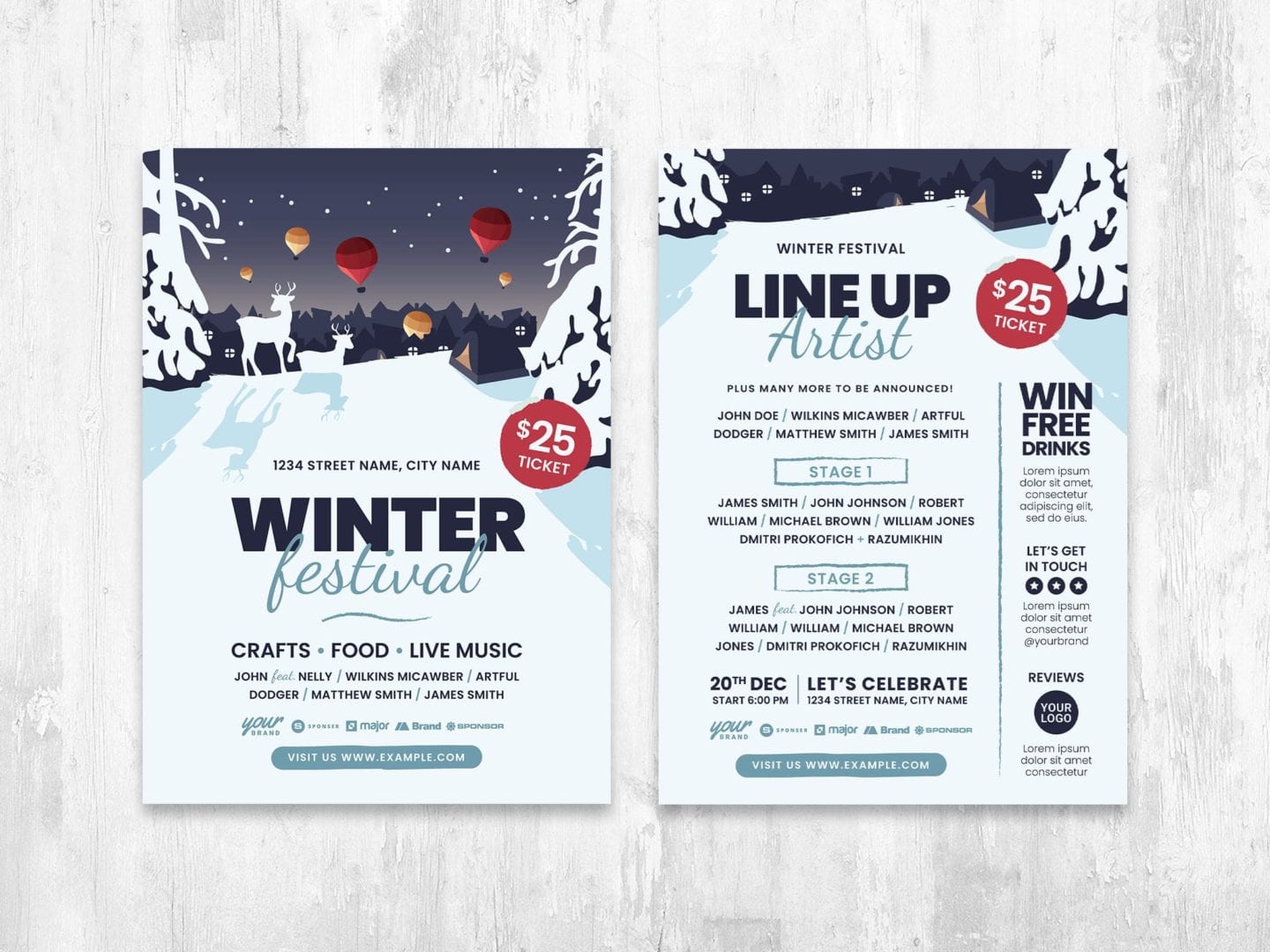
Create a clear order for the information. The event name should stand out the most. Follow with the date, time, and location in smaller text. Use different font sizes or bold text to show importance. This makes scanning the flyer quick and simple.
Balance Text And Images
Keep a good mix of words and pictures. Too much text feels heavy and hard to read. Too many images cause distraction. Use images that relate to the event and support the message. Leave enough white space around text and images for breathing room.
Align Elements Consistently
Align text and images neatly on the flyer. Choose left, center, or right alignment and stick to it. Consistent alignment creates a clean and organized look. It helps readers follow the information easily. Avoid random placement that confuses the eye.
Use Color To Guide Attention
Apply color to highlight important details. Use one or two main colors for a simple look. Bright colors draw attention to dates or calls to action. Keep the background color soft to keep text readable. Balanced color use makes the flyer attractive without overwhelming.
Incorporating Call To Action
Adding a call to action (CTA) to event flyers makes them more effective. A clear CTA tells readers what to do next. It creates urgency and guides people toward your event. Good CTAs can increase attendance and interest.
CTAs should stand out on the flyer. Use simple words that are easy to understand. Short phrases work best. Strong action verbs help grab attention and encourage quick response.
Using Clear And Direct Language
Keep the CTA message simple and direct. Use words like “Join,” “Register,” or “Buy Tickets.” Avoid long sentences or complex words. Readers should understand the next step immediately. Clear language helps reduce confusion.
Placing The Cta Strategically
Put the CTA where people will see it first. Usually, near the bottom or center works well. Make sure it does not blend with other text. Use space around it to make it stand out. Position matters for quick action.
Creating Urgency With Time Limits
Adding a deadline pushes people to act fast. Phrases like “Limited time,” “Register by Friday,” or “Only 50 tickets left” work well. Urgency makes the event feel special and exclusive. It stops people from delaying their decision.
Making Ctas Visually Appealing
Use colors that contrast with the flyer background. Buttons or bold fonts help the CTA catch the eye. Avoid clutter around the CTA area. A clean design directs focus to the action you want. Visual appeal increases clicks and responses.
Printing And Distribution Tips
Printing and distributing event flyers well helps reach more people. Good quality prints catch attention. Smart distribution puts flyers in the right hands. Both steps increase event attendance and interest.
Choosing the right paper and print style matters. Where and how to share flyers impacts success. Simple actions can improve results a lot.
Choosing The Best Paper And Print Quality
Use thick paper to make flyers sturdy. Glossy finish adds shine and looks professional. Bright colors stand out and attract eyes. Clear text helps people read quickly. Avoid too much text to keep it simple.
Smart Places To Distribute Flyers
Hand out flyers where your audience gathers. Use local cafes, community centers, and schools. Busy streets and public transport stops work well. Ask permission before leaving flyers in stores. Target spots related to your event theme.
Timing Your Flyer Distribution
Distribute flyers a few weeks before the event. Early distribution builds awareness and interest. Avoid too early or too late to keep excitement. Weekends and afternoons reach more people. Match timing with event type and location.
Using Flyers With Other Promotion Methods
Combine flyers with social media posts. Use flyers to remind people of online details. Share QR codes on flyers for easy access. Flyers support digital ads and emails. Mixing methods helps reach wider audiences.
Common Mistakes To Avoid
Creating an event flyer seems simple but many make common mistakes. These errors can hurt your flyer’s impact and reduce attendance. Avoiding these mistakes helps your flyer look clear and professional.
Focus on clear information and clean design. Your flyer should catch attention and make readers act fast.
Use Clear And Big Fonts
Small or fancy fonts are hard to read. Use simple, big fonts for main details. People should read your flyer quickly, even from a distance.
Include Only Important Information
Too many details confuse readers. Stick to the event name, date, time, place, and contact info. Leave out extra text or unnecessary details.
Choose Colors Carefully
Bad color choices make your flyer look messy. Use colors that match your event and are easy on the eyes. Avoid clashing or too many bright colors.
Don’t Forget A Call To Action
Your flyer needs a clear call to action. Tell people what to do next, like “Buy tickets now” or “Join us.” Without this, readers may not take any step.
Check For Spelling And Grammar Errors
Errors make your flyer look unprofessional. Always proofread your text before printing or sharing. Ask someone else to read it too.
Credit: brandpacks.com
Frequently Asked Questions
What Is The Purpose Of Event Flyers?
Event flyers promote an event to attract attendees. They share key details like date, time, and location clearly.
How Do I Design An Effective Event Flyer?
Use bright colors, simple fonts, and clear images. Focus on the main message and keep text brief.
What Size Is Best For Event Flyers?
Common sizes are 8. 5×11 inches or half that. Choose a size that fits your distribution method.
Where Should I Distribute Event Flyers?
Place flyers in busy areas like cafes, libraries, and community centers. Target spots where your audience visits.
How Much Does Printing Event Flyers Usually Cost?
Costs vary by quantity and quality. Small runs can be affordable, while large runs lower cost per flyer.
Can Digital Flyers Replace Printed Event Flyers?
Digital flyers reach online audiences quickly. Printed flyers work better for local, in-person promotion.
What Key Information Must Be On An Event Flyer?
Include event name, date, time, location, and contact info. Clear calls to action help increase attendance.
Conclusion
Event flyers help spread the word about your event fast. They catch attention with clear, simple designs. Good flyers share key details like date, time, and place. Use bright colors and big fonts to stand out. Hand out flyers in busy places or post online.
A well-made flyer can bring many people to your event. Keep your message short and easy to read. Flyers remain a strong tool to promote any gathering. Don’t forget to update your flyer for each new event. Simple steps lead to better event attendance.
