
Are you looking to make your coffee or tea stand out on the shelf? The right coffee tea labels can do more than just identify your product—they can attract your customers, build trust, and create a lasting impression.
Thank you for reading this post, don't forget to subscribe!Imagine your label catching someone’s eye and convincing them to choose your blend over others. You’ll discover how to design labels that speak directly to your audience, highlight what makes your coffee or tea special, and boost your brand’s appeal.
Keep reading to learn the secrets behind labels that sell.

Credit: designbundles.net
Importance Of Coffee And Tea Labels
Coffee and tea labels play a big role in the buying choice. They tell customers what to expect in taste, quality, and origin. Clear labels help people find drinks that match their needs.
Labels also provide important information about ingredients and freshness. This helps customers avoid allergies or unwanted additives. Proper labeling builds trust between brands and buyers.
What Coffee And Tea Labels Show
Labels usually list the type of coffee or tea inside. They show if the product is organic or fair trade. Labels also share roasting or drying dates for freshness.
Customers can see the country or region where the beans or leaves grew. This helps people choose flavors they like or want to try.
How Labels Affect Purchase Decisions
Good labels attract attention and make products stand out. Clear, honest information makes buyers feel confident. People tend to pick brands that provide full details.
Labels with easy-to-read fonts and simple designs improve shopping experience. Shoppers find what they want quickly without confusion.
Labels And Health Awareness
Labels list ingredients and nutritional facts. This helps health-conscious customers make better choices. People can avoid caffeine if needed or select low-sugar options.
Warnings about allergens or additives keep consumers safe. Transparent labels show respect for customer health.
Role Of Labels In Brand Identity
Labels reflect the brand’s values and story. Unique designs and clear messages create a strong brand image. Customers remember and trust brands with consistent labeling.
This connection can turn first-time buyers into loyal customers. Labels act as a silent salesperson on the shelf.
Credit: www.etsy.com
Trends In Label Design
Label design for coffee and tea is evolving fast. Brands want to stand out on crowded shelves. Creative, clear, and fresh designs attract customers. Trends show labels becoming more than just a name tag. They tell a story and invite people to try the drink.
Simple and clean layouts dominate. Bold fonts and soft colors create eye-catching looks. Many labels use natural themes, like leaves or beans. These designs connect with customers who prefer organic or eco-friendly products.
Minimalist Design
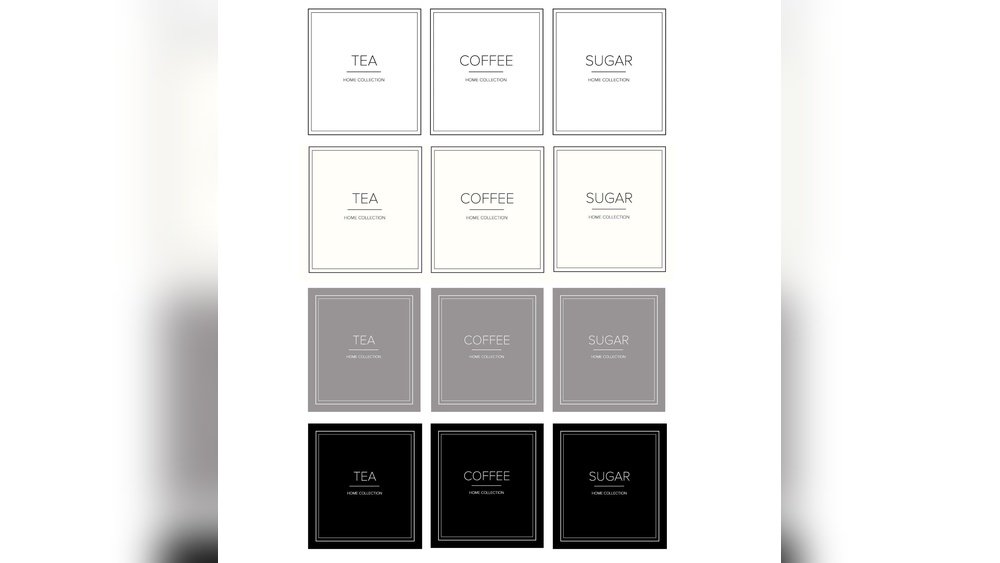
Minimalism keeps labels neat and easy to read. It uses few colors and simple shapes. This style makes the product look modern and pure. Customers can quickly see the brand and flavor.
Hand-drawn Elements
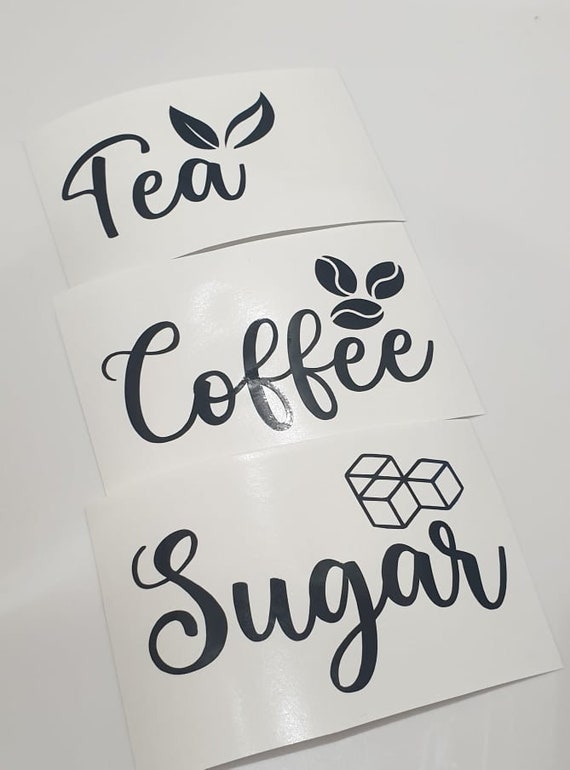
Hand-drawn art adds a personal touch to labels. Sketches of coffee plants or tea leaves create warmth. This style shows care and tradition. It makes the product feel unique and crafted.
Bold Typography
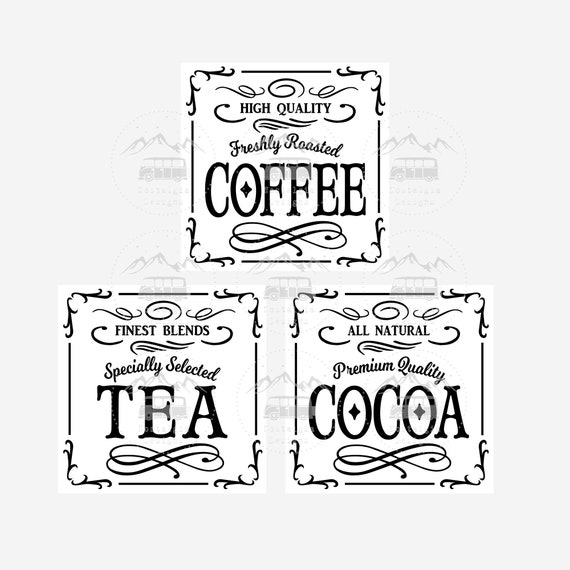
Big, bold fonts grab attention fast. They highlight key information like brand name or flavor. The style adds energy and confidence to the label. It helps the product stand out on shelves.
Eco-friendly Packaging
More brands use recycled and sustainable materials. Labels often mention this to attract green buyers. Earth tones and natural textures match the eco-friendly message. It shows respect for nature and health.
Storytelling On Labels
Labels tell stories about origin, farmers, or brewing tips. This creates a connection with customers. People enjoy learning about the product’s background. It makes the drink feel special and authentic.
Color Schemes That Attract
Color plays a big role in coffee tea labels. It helps catch the eye and makes products stand out on shelves. Choosing the right colors can create a mood or feeling about the drink inside. Bright colors can show energy, while soft colors give calm and warmth.
Colors also help customers remember your brand. Good color choices make labels easy to read and pleasing to look at. This makes people want to pick up the product and try it. Simple, clear colors work best for small labels on cups or packets.
Warm Colors For Comfort And Energy
Warm colors like red, orange, and brown fit coffee tea labels well. They bring feelings of warmth and comfort. These colors remind people of fresh coffee or spicy tea. They create a cozy and inviting look that matches the drink’s taste.
Cool Colors For Calm And Freshness
Cool colors such as blue, green, and purple give calm and fresh feelings. They work well for teas with herbal or mint flavors. These colors suggest purity and health. Cool colors make labels look clean and refreshing.
Neutral Colors For Simplicity And Elegance
Neutral shades like beige, white, and gray add simplicity and style. They keep labels looking neat and easy to read. Neutral colors fit well with minimalist designs. They also make bright colors pop without overwhelming the eye.
Typography Choices For Impact
Typography plays a big role in coffee tea labels. It helps catch the eye and tells the brand story. Good typography makes the label clear and easy to read. It also sets the mood for the product inside. Choosing the right fonts can make a simple label stand out on the shelf.
Different fonts send different messages. Some fonts feel modern and clean. Others feel warm and traditional. The font style must match the brand’s personality. The size and spacing of letters also affect how easy the label is to read. These small choices can change the whole look of the label.
Font Style And Brand Personality
The font style shows the brand’s character. A script font feels cozy and handcrafted. Sans-serif fonts feel modern and fresh. Serif fonts look classic and trustworthy. Pick a font that fits the product’s story. For example, a natural tea might use a soft, flowing font. A bold coffee brand might choose a strong, simple font.
Readability And Letter Spacing
Labels must be easy to read fast. Use clear fonts with good space between letters. Tight spacing makes text hard to read. Too much space breaks the flow. Find a balance for smooth reading. Bigger font sizes work better for small labels. Clear text helps customers spot key details quickly.
Contrast And Color Pairing
Strong contrast between text and background improves visibility. Dark text on a light background is easy on the eyes. Light text on a dark background can look sleek. Avoid colors that blend or clash. Use color pairing to highlight important words. This guides the customer’s attention to the product name or flavor.
Incorporating Brand Storytelling
Incorporating brand storytelling into coffee tea labels helps create a strong connection with customers. It turns a simple label into a memorable experience. Stories give your brand a human touch and build trust.
Good storytelling shares the origins, values, and passion behind the product. It invites customers to learn about your journey and what makes your coffee or tea unique. This makes your label more than just a name or logo.
Using Origins To Tell Your Story
Highlight the place where your coffee or tea is grown. Mention farmers or regions involved. This shows authenticity and respect for tradition. Customers appreciate knowing the source of their drink.
Sharing Your Brand’s Passion
Describe why you love coffee or tea. Talk about your mission or what drives your brand. This creates emotional ties with buyers. They feel part of something bigger than just a product.
Including Customer Experiences
Show real stories or reviews from customers. Let their voices tell how your product fits into their life. This adds social proof and makes your label more relatable.
Design Elements That Support Storytelling
Use images, colors, and fonts that match your story. Visuals can express mood and history quickly. A well-designed label draws attention and invites curiosity.
Credit: www.etsy.com
Material And Finish Options
Choosing the right material and finish for coffee tea labels affects the look and feel of your product. It also impacts durability and how well the label stays on the packaging. Different materials offer various benefits for branding and practical use.
The finish changes the texture and shine of the label. It can make your product stand out on shelves or give it a classic, subtle style. Understanding your options helps you pick the best label for your coffee or tea brand.
Paper Labels
Paper labels are common and affordable. They print colors clearly and feel smooth. Ideal for dry products, they may not hold up well in moisture or heat.
Vinyl Labels
Vinyl labels are strong and water-resistant. They work well for packages exposed to steam or spills. These labels last longer and keep colors bright.
Matte Finish
Matte finish gives a soft, non-shiny look. It feels smooth and can make text easier to read. Matte labels look modern and natural.
Glossy Finish
Glossy finish shines and catches light. It makes colors pop and adds a polished look. Glossy labels attract attention on store shelves.
Clear Labels
Clear labels blend with the package color. They provide a clean, minimalist look. These labels highlight the product inside the packaging.
Sustainability In Label Design
Sustainability in label design is crucial for coffee and tea brands. It helps reduce waste and protect the environment. Labels should be easy to recycle or compost. Using eco-friendly materials supports a greener future.
Smart label choices lower the carbon footprint of packaging. They also show customers that the brand cares about nature. Small changes in label design create big environmental benefits.
Eco-Friendly Materials for LabelsMany brands use recycled paper or plant-based films. These materials break down faster and harm nature less. Soy-based inks replace harmful chemicals in printing. This keeps labels safe for soil and water.
Minimalist Label DesignSimple designs use less ink and fewer resources. Clear, clean labels reduce waste and save energy. Minimal text and images make recycling easier. This approach cuts down on pollution during production.
Innovations in Compostable LabelsCompostable labels turn into organic matter after use. They do not leave plastic behind. New adhesives dissolve quickly in compost bins. These labels support zero-waste packaging goals for coffee and tea.
Frequently Asked Questions
What Are Coffee Tea Labels Used For?
Coffee tea labels help identify different types of drinks. They show the flavor, ingredients, and brand. This makes it easy to choose your favorite.
How Do Coffee Tea Labels Improve Customer Experience?
Labels provide clear information about the product. Customers know what to expect in taste and ingredients. This builds trust and helps quick decisions.
What Information Is Usually On Coffee Tea Labels?
Labels often list the drink name, ingredients, and brand logo. Sometimes, brewing instructions or origin details appear too. This helps customers learn about the drink.
Can Coffee Tea Labels Affect Buying Decisions?
Yes, labels catch attention and give useful details. Clear, attractive labels can encourage people to try new drinks. Good design helps products stand out.
Are Coffee Tea Labels Required By Law?
Many countries require labels to show ingredients and allergens. This protects consumer health and safety. Rules vary, but basic info is often mandatory.
How Are Coffee Tea Labels Designed For Clarity?
Designers use simple fonts and clear colors on labels. Important info stands out for easy reading. Good labels avoid clutter and keep it neat.
What Materials Are Used For Coffee Tea Labels?
Labels can be made from paper, plastic, or foil. The choice depends on packaging and durability needs. Waterproof labels are common for hot drinks.
Conclusion
Choosing the right coffee tea labels helps keep drinks fresh and tasty. Clear labels make it easy to find your favorite flavors fast. Good labels also add a nice look to your kitchen or shop. Simple, clean designs work best for quick reading.
Don’t forget to include important info like ingredients and expiry dates. Well-made labels save time and reduce waste. They make your coffee and tea experience better every day. Small details matter, and labels are one of them. Keep your drinks organized and enjoyable with smart labeling.
