
Are you looking to make your products stand out on the shelves? Bottle jar labels are the secret weapon you need.
Thank you for reading this post, don't forget to subscribe!They don’t just hold information—they grab attention, tell your story, and build trust with your customers. Imagine your product catching the eye of every shopper who walks by. That’s the power of a great label. Keep reading to discover how the right bottle jar labels can boost your brand and turn casual buyers into loyal fans.
Choosing The Right Label Material
Choosing the right label material is key to making your bottle jars stand out. The label must fit your product’s style and use. It also needs to last through handling and storage. Different materials offer different looks and strengths.
Picking the perfect label material helps your product look professional. It also ensures the label stays clear and readable. This guide covers popular label materials and their best uses.
Paper Labels
Paper labels are common and cost-effective. They work well for dry, indoor products. These labels print colors clearly and have a smooth feel. Paper labels can be glossy or matte.
They are easy to write on, good for adding notes. However, they do not resist water or oils. Use paper labels when your product stays dry and is not handled roughly.
Plastic Labels
Plastic labels are strong and waterproof. They handle moisture, oils, and rough use well. These labels stay clear and bright longer. Plastic works great for bottles stored in cool or wet places.
They come in materials like vinyl or polyester. Plastic labels are slightly more expensive but last longer. Choose plastic if your product needs a durable, long-lasting label.
Metallic And Foil Options
Metallic and foil labels add a shiny, eye-catching look. They create a sense of luxury and quality. These labels reflect light and stand out on shelves.
They resist water and smudges better than paper. Use metallic or foil labels for special editions or premium products. These labels can be combined with plastic for durability.
Credit: www.diybeautify.com
Design Elements That Catch Attention
Design elements play a big role in making bottle jar labels stand out. The right design grabs attention quickly. It helps customers remember the product. Good design also shows the brand’s personality clearly.
Several factors work together to create an eye-catching label. These include color, typography, and images. Each part sends a message to the buyer. The right mix can increase product appeal and sales.
Color Psychology
Colors affect emotions and choices. Bright colors like red or orange show energy and excitement. Blue and green often feel calm and natural. Choose colors that fit the product’s mood.
Use contrasting colors to make text easy to read. Soft tones work well for gentle or organic products. Bold colors attract attention on crowded shelves.
Typography Choices
Fonts tell a story without words. Simple fonts look clean and modern. Script fonts can feel elegant or fancy. Use easy-to-read fonts for important details.
Mix font sizes to highlight key information. Avoid too many font styles; it can confuse buyers. Clear typography helps customers find what they need fast.
Imagery And Graphics
Pictures and graphics catch the eye quickly. Use images that relate to the product inside. Natural photos work well for food or skincare products.
Simple icons or patterns add style without clutter. Avoid too many images; keep the design balanced. Good graphics support the brand story effectively.
Label Shapes And Sizes
Bottle jar labels come in many shapes and sizes. Choosing the right shape and size helps your product stand out. Labels must fit well and look good on the bottle. The shape and size also affect how much information you can show. Understanding label shapes and sizes is key to making your bottle attractive and practical.
Standard Vs. Custom Shapes
Standard label shapes include rectangles, squares, and circles. These shapes are common and easy to produce. They fit most bottles and suit many designs. Custom shapes are unique and follow the bottle’s outline. They make your product different from others. Custom shapes can be cut to match logos or themes. Both options have benefits depending on your brand style.
Size Considerations For Different Bottles
Small bottles need smaller labels to avoid crowding. Large jars allow bigger labels with more details. The label size should balance the bottle’s size and shape. Too big labels can peel or look messy. Too small labels may not show important information. Measure your bottle before choosing label size for best results.
Printing Techniques For Bottle Labels
Choosing the right printing technique affects the look and feel of bottle jar labels. It changes how labels catch the eye and hold up over time. Each method offers unique benefits for design and durability.
Printing techniques also impact cost and production speed. Picking the best option depends on the product and budget. Below are some popular ways to print bottle jar labels.
Digital Printing
Digital printing uses digital files to print labels directly. It works best for small runs and quick changes. The process offers bright colors and sharp details. It also allows for easy customization of each label. Digital printing avoids setup fees and saves time.
Screen Printing
Screen printing pushes ink through a mesh screen onto the label. It creates thick, vibrant colors and texture. This technique is great for bold, simple designs. It handles dark and metallic inks well. Screen printing is durable and works well on curved surfaces.
Embossing And Debossing
Embossing raises parts of the label design above the surface. Debossing presses the design down into the label. Both create a 3D effect that adds texture and style. These methods make labels feel more premium. They work well for logos and special details.
Durability And Functionality
Bottle jar labels need to be strong and useful. They must stay clear and readable for a long time. Labels that last help keep the product looking good. They also protect important information like ingredients and instructions.
Durability and functionality make labels work well. They keep their shape and color. They resist water, oil, and handling. This helps bottles look neat on shelves and during use.
Waterproof And Oil-resistant Labels
Waterproof labels do not get soggy or tear. They stand up to spills and moisture easily. Oil-resistant labels stay clean and clear. These labels do not smudge or fade from greasy hands. They keep text and images sharp. Perfect for kitchen and bathroom bottles.
Easy Peel And Reusable Labels
Easy peel labels come off without leaving sticky mess. They save time and avoid damage to bottles. Some labels can be reused on new jars. They stick well but remove cleanly. Great for homemade goods or gift jars. These labels help reduce waste and save money.

Credit: www.diybeautify.com
Eco-friendly Label Options
Eco-friendly label options help reduce waste and protect nature. They use materials and inks that break down naturally. These labels keep bottles looking good without harming the earth.
Sustainable Materials
Sustainable materials come from sources that do not run out. Paper made from recycled fibers is a common choice. It uses less energy and cuts down on pollution. Other options include plant-based plastics that break down faster. These materials keep landfills cleaner and conserve resources.
Biodegradable Inks
Biodegradable inks come from natural oils and pigments. They fade away quickly after use, unlike standard inks. These inks do not release harmful chemicals into the soil. They work well on paper and some plastic labels. Using them ensures labels are safer for the environment.
Trends In Bottle Label Design
Bottle jar labels shape the first impression of any product. Design trends change often to catch the eye and stand out on shelves. Labels must balance style and clear information. Simple, smart, and creative designs attract more buyers. Here are popular trends in bottle label design today.
Minimalist Styles
Minimalist labels use clean lines and few colors. They focus on important text and leave space empty. This style feels modern and easy to read. Buyers trust simple labels because they look honest and clear. Minimalist designs fit well with many product types. They often use white backgrounds and subtle fonts. The style helps products look fresh and neat.
Vintage And Retro Looks
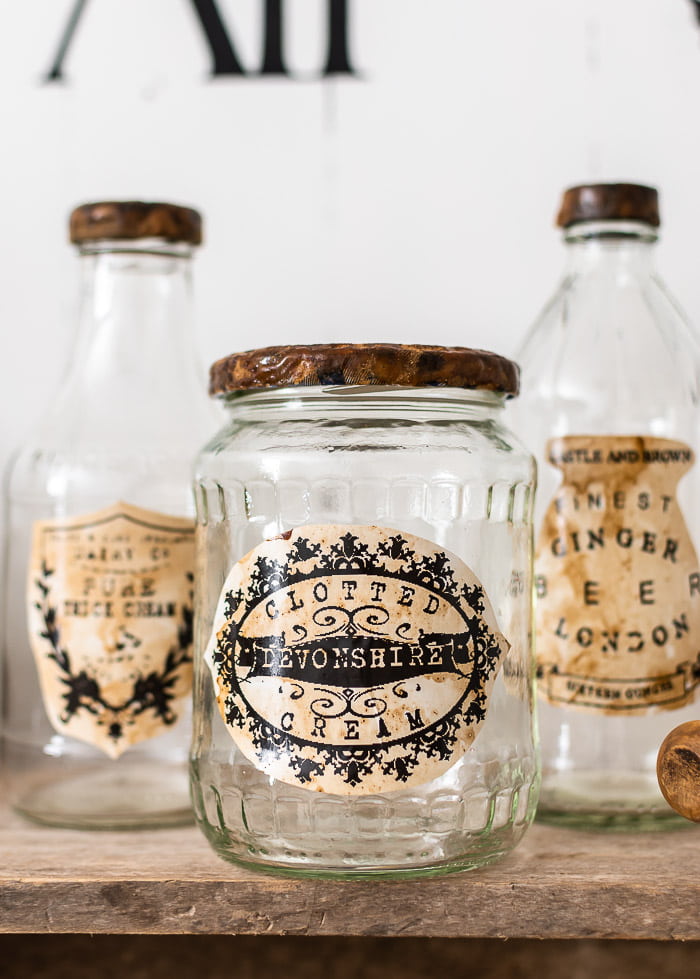
Vintage labels bring old-fashioned charm to bottles. They use classic fonts and muted colors. Designs may include ornate borders or illustrations. This look gives products a sense of history and quality. Retro labels often remind people of good times past. They work well for handmade or craft products. Many brands choose this style to feel warm and authentic.
Interactive And Qr Code Labels
Interactive labels add a fun, tech twist to jars. QR codes link to websites, recipes, or videos. They invite customers to learn more about the product. This trend blends physical and digital worlds. Interactive labels make buying more engaging and personal. QR codes are easy to scan with smartphones. They offer extra value without cluttering the label.

Credit: www.amazon.com
Frequently Asked Questions
What Materials Are Best For Bottle Jar Labels?
Paper, vinyl, and polyester are common label materials. Vinyl and polyester resist water and wear better than paper. Choose based on label use and environment.
How Do I Choose The Right Size For Jar Labels?
Measure the jar’s flat surface where the label will go. Leave some space at edges for neatness. Size affects readability and appearance.
Can Bottle Jar Labels Be Waterproof?
Yes, waterproof labels use special materials like vinyl or laminated paper. These protect the label from water damage. Ideal for food, drink, or outdoor jars.
What Information Should A Bottle Jar Label Include?
Include product name, ingredients, and brand logo. Add usage instructions, expiry date, and barcode if needed. Clear info helps buyers make quick decisions.
How To Apply Bottle Jar Labels Correctly?
Clean the jar surface to remove dust and oil. Peel the label backing carefully and place it evenly. Press firmly to avoid bubbles.
Are Custom Bottle Jar Labels Cost-effective?
Custom labels can be affordable with bulk orders. They improve brand identity and product appeal. Costs vary by size, material, and print quality.
What Printing Methods Are Used For Bottle Jar Labels?
Common methods are digital, flexographic, and screen printing. Digital suits small runs; flexographic is good for large batches. Print method affects quality and price.
Conclusion
Bottle jar labels help products stand out on shelves. They provide important details clearly and attractively. Choosing the right label boosts brand recognition and trust. Labels also protect the product and keep it safe. Simple, clean designs often work best for easy reading.
Quality labels last long and resist wear. Small changes in labels can make a big difference. Good labels help customers make quick decisions. Invest time in creating labels that match your product’s style. Clear labels lead to happy customers and better sales.
