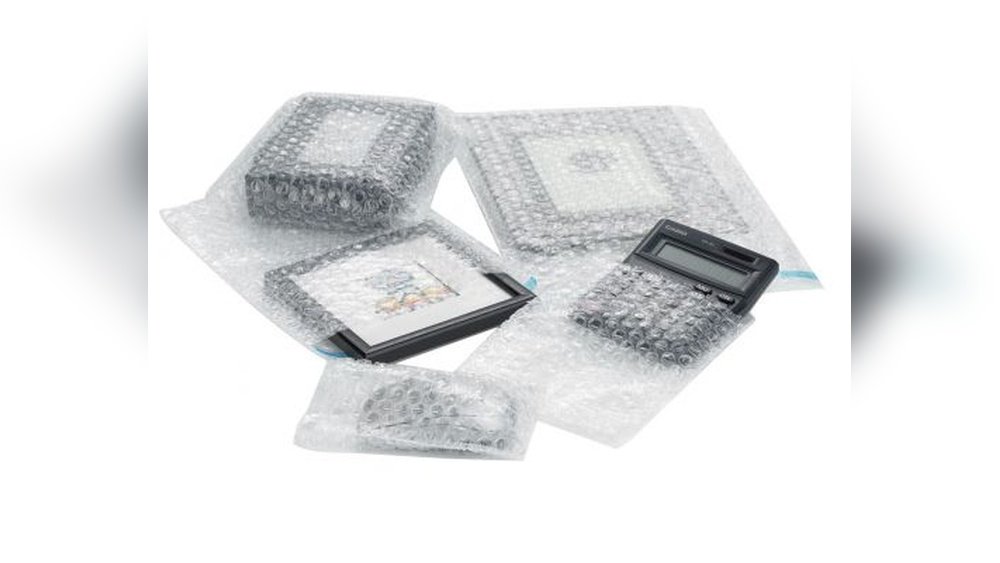
If you want to keep your items safe during shipping or storage, an air bubble pouch is one of the best solutions you can choose. These pouches offer a simple but powerful way to protect fragile goods from damage.
Thank you for reading this post, don't forget to subscribe!Imagine your valuable products wrapped in a cushion of tiny air bubbles that absorb shocks and prevent scratches. You’ll discover why air bubble pouches are essential for your packaging needs, how they work, and the benefits they bring to your business or personal use.
Keep reading to find out how this small packaging tool can make a big difference for you.
Benefits Of Air Bubble Pouches
Air bubble pouches offer many advantages for packaging and shipping. They protect fragile items from damage during transport. Their lightweight nature helps reduce shipping costs. These pouches also provide cushioning and absorb shocks effectively.
Using air bubble pouches can improve product safety and customer satisfaction. They are easy to use and fit different product shapes and sizes. The benefits make them a popular choice for many businesses and individuals.
Protection Against Impact
Air bubble pouches act as a cushion. They absorb shocks and prevent items from breaking. Small bubbles create a soft barrier around products. This stops scratches and dents during handling.
Lightweight And Cost-effective
These pouches are very light. They do not add much weight to packages. This lowers shipping fees and saves money. Businesses can ship more items without extra cost.
Water And Dust Resistance
Air bubble pouches help keep products dry. They resist water and dust entering the package. This keeps items clean and safe. It is useful for electronics and delicate goods.
Easy To Use And Store
The pouches are flexible and simple to handle. They come in various sizes for different needs. When empty, they take little space. This makes storage and use convenient.
Eco-friendly Options
Many air bubble pouches are recyclable. Some are made from biodegradable materials. They reduce environmental impact compared to other packaging. Choosing these helps protect the planet.
Credit: www.papermart.com
Types Of Air Bubble Pouches
Air bubble pouches come in different types to suit various packaging needs. Each type offers unique features for protecting fragile items during shipping or storage. Choosing the right type depends on the product size, weight, and fragility.
Standard Air Bubble Pouches
These pouches have a single layer of air bubbles. They provide basic cushioning and shock absorption. Standard pouches are lightweight and cost-effective. Ideal for small, less fragile items like jewelry or electronics.
Double-layer Air Bubble Pouches
Double-layer pouches have two bubble layers for extra protection. They offer better shock resistance and durability. Suitable for heavier or more delicate goods. Customers use them for glassware, ceramics, and small appliances.
Self-sealing Air Bubble Pouches
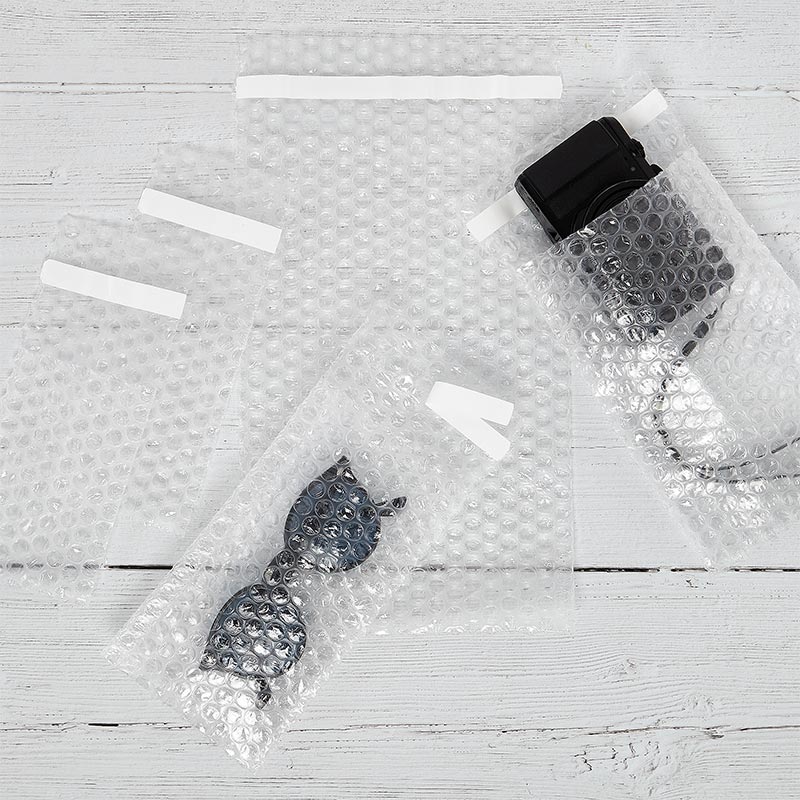
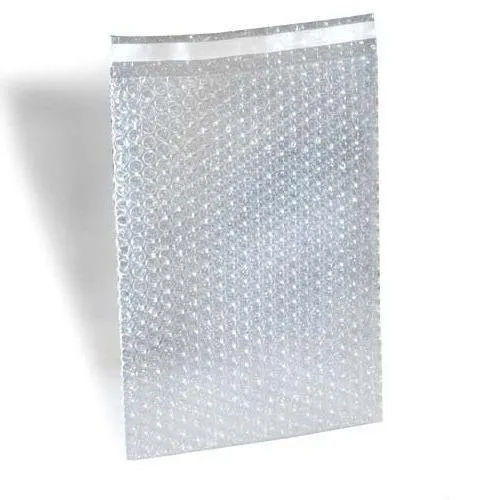
These pouches come with a built-in adhesive strip. Easy to seal without tape or glue. They save time and reduce packaging waste. Perfect for quick shipments and small businesses.
Anti-static Air Bubble Pouches
Designed to protect electronic components from static electricity. Made with special materials that prevent static build-up. Essential for sensitive items like computer parts and circuit boards.
Custom-printed Air Bubble Pouches
Printed with logos or branding to enhance product presentation. Also useful for product information or instructions. Helps companies stand out and improve customer experience.
Materials Used In Bubble Pouches
Air bubble pouches protect fragile items during shipping and storage. Their strength comes from the materials used in making them. These materials keep the bubbles inflated and provide a soft cushion. Understanding these materials helps in choosing the right pouch for your needs.
Most bubble pouches use plastic films that are strong yet flexible. These films form the outer layers and hold the air bubbles inside. The choice of plastic affects durability, moisture resistance, and cost.
Polyethylene (pe)
Polyethylene is the most common material for bubble pouches. It is light and durable. PE can stretch without breaking, which keeps the bubbles sealed. This material also resists moisture and chemicals well. It is safe for most items and easy to recycle.
Low-density Polyethylene (ldpe)
LDPE is a softer form of polyethylene. It offers more flexibility and cushioning. Bubble pouches made with LDPE protect delicate items better. This material is also resistant to tearing and punctures.
High-density Polyethylene (hdpe)
HDPE is tougher than LDPE but less flexible. It adds strength to the pouch’s outer layer. This helps prevent damage from sharp objects. HDPE also provides good moisture protection.
Metalized Films
Some bubble pouches include metalized films. These add a barrier against light and heat. Metalized layers improve insulation and keep items safe. They are useful for sensitive electronics and food products.
Adhesives And Sealants
Adhesives join different layers of the pouch. Strong sealants keep bubbles inflated and stop air leaks. These materials must be safe and long-lasting. Good adhesives ensure the pouch works well during transport.
Credit: www.anteris.com.mx
How Air Bubble Pouches Protect Fragile Items
Air bubble pouches provide excellent protection for fragile items during shipping and storage. These pouches are filled with small air pockets that act as cushions. They absorb shocks and prevent damage caused by drops or bumps. The lightweight material also keeps items safe without adding much weight.
The flexibility of air bubble pouches allows them to wrap tightly around objects. This snug fit reduces movement inside boxes. Less movement means less chance of scratches, cracks, or breaks. Many businesses and individuals rely on these pouches to keep valuable items secure.
Shock Absorption
The air bubbles inside the pouch absorb impact forces effectively. They spread the pressure over a larger area. This reduces the chance of damage from sudden hits or falls. The bubbles act like tiny airbags for fragile goods.
Lightweight Cushioning
Air bubble pouches add minimal weight to packages. This helps lower shipping costs while protecting items. The cushioning effect comes from the air pockets, not heavy padding. Lightweight protection makes these pouches practical and cost-effective.
Flexible Protection
The pouches bend and stretch to fit around objects. This flexibility helps protect oddly shaped or delicate items. The pouch molds to the item’s surface, preventing movement and scratches. Flexible protection ensures fragile items stay safe inside packages.
Choosing The Right Size And Thickness
Choosing the right size and thickness for an air bubble pouch matters a lot. It helps protect your items well and saves money. Picking the wrong size or thickness can lead to damage or waste.
Each product needs a different pouch size and bubble thickness. Understanding these choices makes packing easier and safer.
Choosing The Correct Size
Measure your item before selecting a pouch. The pouch should be slightly larger than the item. This allows enough space for cushioning bubbles.
A pouch that is too small may not cover the item fully. Too large a pouch wastes material and space.
Consider the shape of your item. Some items need wider pouches. Others may need longer ones. Choose a size that fits the item well without squeezing or leaving gaps.
Selecting The Right Thickness
Bubble thickness affects how well the pouch absorbs shocks. Thicker bubbles offer more protection. Thin bubbles work for light, non-fragile items.
Heavy or fragile items need thicker bubble pouches. Thicker pouches reduce the risk of damage during transport.
Lightweight items save cost with thinner pouches. Avoid extra thickness if not needed. It adds weight and cost.
Environmental Impact And Recycling Options
Air bubble pouches protect items during shipping by cushioning them. They use plastic that can harm the environment if not handled properly. Understanding their environmental impact and recycling options helps reduce waste and pollution.
Plastic in air bubble pouches takes many years to break down in landfills. This causes long-lasting pollution in soil and water. Small pieces can harm animals and ecosystems. Using recycled materials or recycling the pouches can lower this damage.
Environmental Impact Of Air Bubble Pouches
Most air bubble pouches are made from polyethylene plastic. This material is lightweight but not biodegradable. When thrown away carelessly, it adds to plastic pollution. Burning plastic releases toxic gases that harm air quality. These pouches use fossil fuels for production, increasing carbon emissions.
Discarded pouches often end up in oceans, threatening marine life. Turtles and fish can mistake plastic for food. This harms their health and survival. Reducing use and proper disposal are key steps to lessen environmental damage.
Recycling Options For Air Bubble Pouches
Recycling air bubble pouches depends on local facilities. Many curbside programs do not accept them because of their shape and materials. Special drop-off locations or store take-back programs can recycle these pouches. They are turned into new plastic products instead of trash.
Cleaning pouches before recycling improves the process. Removing tape, labels, and dirt helps. Some places recycle bubble wrap and plastic film together. Check local recycling rules to ensure proper disposal. Reusing pouches for packing can extend their life and reduce waste.
Tips For Using Bubble Pouches Effectively
Using air bubble pouches correctly helps protect items during shipping and storage. Simple steps can improve their effectiveness and save costs. Follow these tips to get the best use from bubble pouches.
Choose the right size and thickness for your items. Proper fit avoids damage and reduces waste. Handle the pouches gently to keep the bubbles intact and protective.
Choose The Right Bubble Pouch Size
Select a pouch slightly larger than the item. This allows space for cushioning. Avoid too large pouches that waste material and cost more.
Use Double Layer For Fragile Items
Wrap delicate items in two bubble pouches. The extra layer provides better shock absorption. Fragile goods need extra care during transport.
Seal The Pouch Properly
Close the pouch securely using tape or adhesive strips. A tight seal stops dust and moisture from entering. Proper sealing keeps items safe and clean.
Store Bubble Pouches In A Cool, Dry Place
Keep unused pouches away from heat and sunlight. Heat can weaken the bubbles and reduce protection. Store in a dry spot to avoid moisture damage.
Recycle Used Bubble Pouches
Reuse bubble pouches whenever possible to reduce waste. Check local recycling rules for bubble wrap materials. Responsible disposal helps protect the environment.
Credit: excelpacllc.com
How IOKPRINT Can Help You with Air Bubble Pouch
Practical Learning with Air Bubble Pouches
Understanding the materials used in air bubble pouches and how they protect fragile items opens up many practical learning opportunities. For example, experimenting with different sizes and thicknesses can help you discover the most effective way to safeguard specific products during shipping. This hands-on approach reinforces the importance of choosing the right bubble pouch to balance protection and material usage.
- Try comparing various types of bubble pouches to see how cushioning varies.
- Test the environmental impact by exploring recycling options available locally.
- Observe how sealing methods influence the pouch’s performance.
For those interested in sourcing reliable packaging materials, organizations like IOKPRINT provide a range of bubble pouch options along with related products such as stickers and business cards, which can be useful for branding your shipments. Their website (www.iokprint.in) offers convenient information and free delivery, making it easier to access quality materials for your packaging experiments or small business needs.
Frequently Asked Questions
What Is An Air Bubble Pouch Used For?
An air bubble pouch protects items from damage during shipping. It cushions fragile goods by absorbing shocks. This helps keep products safe and intact.
How Does An Air Bubble Pouch Protect Items?
The pouch contains small air bubbles that act as cushions. These bubbles reduce impact and prevent scratches or breaks. It is soft yet durable for good protection.
What Materials Are Air Bubble Pouches Made Of?
They are made from plastic, usually polyethylene. The plastic forms small air-filled pockets for cushioning. This material is lightweight and water-resistant.
Can Air Bubble Pouches Be Reused?
Yes, they can be reused several times if kept intact. Avoid popping the bubbles to maintain protection. Reusing helps save money and reduce waste.
Are Air Bubble Pouches Eco-friendly?
Most are made from recyclable plastic, but not all are biodegradable. Some brands offer eco-friendly versions made from recycled materials. Always check the product details before buying.
What Sizes Do Air Bubble Pouches Come In?
They come in many sizes to fit different items. Small pouches are good for jewelry, large ones fit electronics. Choose size based on what you need to protect.
How To Dispose Of Air Bubble Pouches Properly?
Recycle them at designated plastic recycling centers if possible. If recycling is unavailable, dispose of them with regular waste. Avoid burning as it releases harmful fumes.
Conclusion
Air bubble pouches protect items from damage during shipping. They are light and easy to use. These pouches save space and reduce costs. Many businesses choose them for safe packaging. They come in different sizes to fit many products. Using air bubble pouches helps keep items secure.
A simple solution for fragile goods. Choose air bubble pouches for reliable protection every time.