
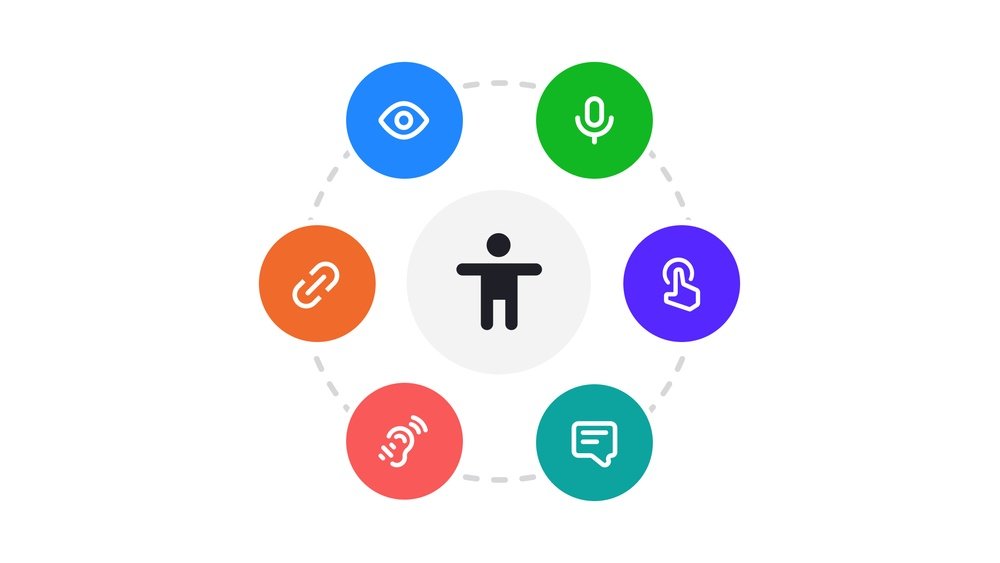
Imagine a world where everyone, including you, can easily access websites, apps, and public spaces without frustration or barriers. Accessibility is the key that unlocks this kind of freedom.
Thank you for reading this post, don't forget to subscribe!It’s not just about rules or technology—it’s about making sure your experience, and the experience of others, is smooth, simple, and enjoyable. If you want to learn how accessibility can improve your life and why it matters more than you might think, keep reading.
This article will show you how small changes can create big impacts for you and those around you.
Credit: medium.com
The Importance Of Accessibility
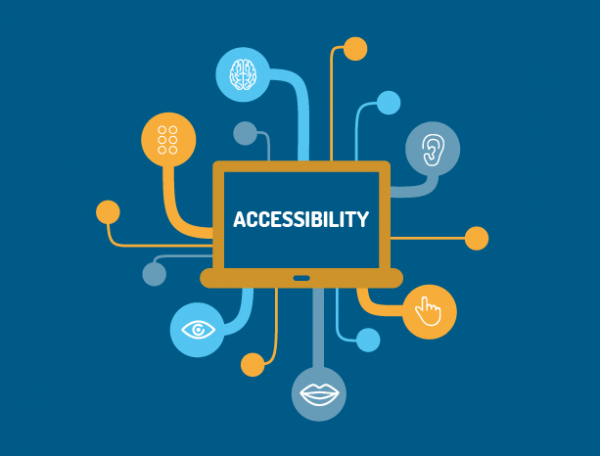
Accessibility means making websites and apps easy for everyone to use. It helps people with disabilities access information and services. This is not just kind; it is necessary. Many people face barriers online. Accessibility removes those barriers.
Good accessibility improves user experience for all visitors. It makes content clear and navigation simple. This encourages more people to stay longer and return. It also helps businesses reach a wider audience. Accessibility is important for legal and ethical reasons too.
The Impact On People With Disabilities
Millions of people have disabilities that affect how they use the web. Some cannot see well or hear clearly. Others struggle with movement or cognitive tasks. Accessibility features help them read, hear, and navigate content. It gives them equal access to information and services.
Benefits Beyond Disability
Accessibility helps more than just disabled users. It supports older adults with changing abilities. It aids people in low-light or noisy environments. It improves usability for everyone using different devices or connections. Accessibility leads to a better experience for all users.
Legal And Ethical Responsibility
Many countries have laws requiring web accessibility. Businesses must follow these rules to avoid penalties. Accessibility shows respect and fairness to all users. It builds trust and a positive reputation. Ignoring accessibility risks legal trouble and lost customers.
Barriers Faced By People With Disabilities
People with disabilities face many barriers every day. These barriers limit their access to places, services, and information. Understanding these challenges helps create a more inclusive world.
Barriers come in many forms. They affect physical access, communication, and social acceptance. Removing these obstacles is key to equal opportunities for all.
Physical Barriers
Many buildings lack ramps or elevators. Stairs block wheelchair users. Narrow doorways and uneven floors make movement hard. Public transport often does not cater to people with mobility issues. These physical barriers reduce independence and freedom.
Communication Barriers
People with hearing or speech disabilities face communication problems. Lack of sign language interpreters is common. Websites and apps often miss features like captions or easy text. This limits access to vital information and services.
Attitudinal Barriers
Negative attitudes create invisible walls. Some people have wrong ideas about disabilities. This leads to discrimination and exclusion. Lack of awareness stops many from seeking help or joining activities.
Technological Barriers
Many digital tools are not designed for all users. Poor website design blocks screen readers. Complex navigation confuses people with cognitive disabilities. Technology should be simple and usable by everyone.
Accessible Technology Innovations
Accessible technology innovations help people with disabilities live better lives. These tools break down barriers and open new opportunities. They make everyday tasks easier and communication clearer.
Technology is evolving fast. New devices and software improve access to education, work, and entertainment. These innovations focus on simplicity and usability for everyone.
Screen Readers And Voice Assistants
Screen readers turn text into speech. They help blind or low-vision users navigate devices. Voice assistants respond to spoken commands. They control phones, computers, and smart homes hands-free.
Wearable Assistive Devices
Wearables monitor health and provide alerts. Smart glasses offer audio descriptions of surroundings. These devices support mobility and safety for people with disabilities.
Adaptive Keyboards And Mice
Adaptive keyboards have larger keys or special layouts. They help people with motor challenges type easily. Custom mice work with limited hand movement. These tools improve comfort and efficiency.
Real-time Captioning And Translation
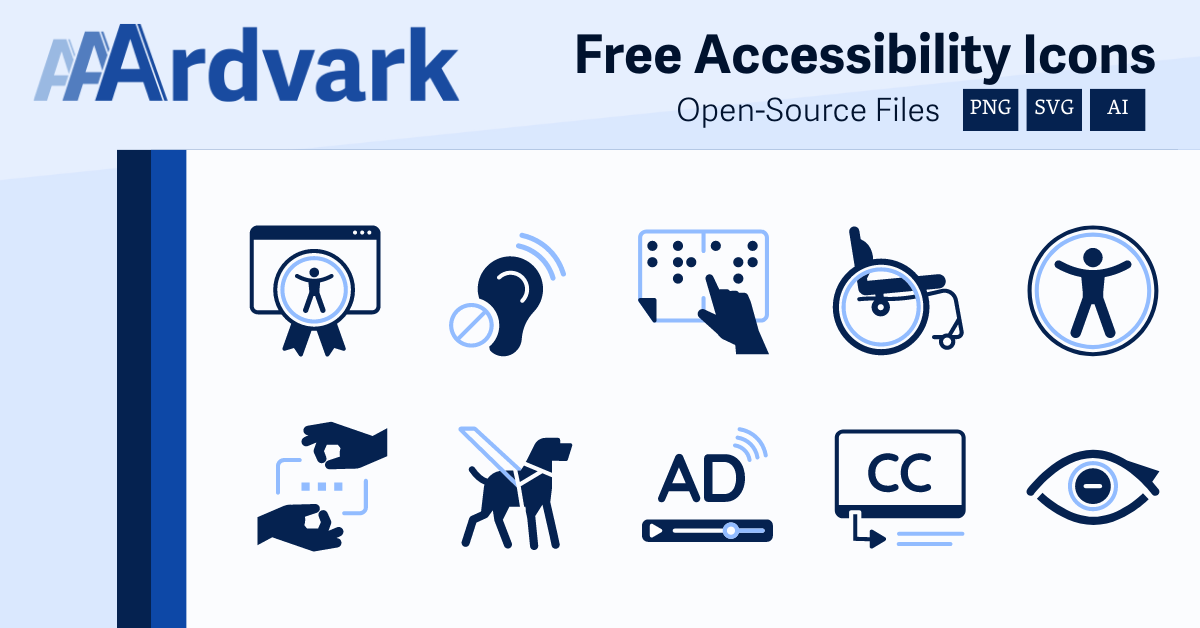
Real-time captioning converts speech to text instantly. It aids those with hearing loss in conversations and videos. Translation apps break language barriers, making communication smoother.
Credit: aaardvarkaccessibility.com
Designing For Universal Access
Designing for universal access means creating products everyone can use. It focuses on people with different abilities and needs. The goal is to remove barriers and make access easy.
Universal design helps all users feel included. It improves usability and reaches a wider audience. The design should be simple, clear, and flexible.
Accessibility Basics
Start by understanding common disabilities. Visual, hearing, motor, and cognitive issues affect many users. Use clear text and easy navigation. Avoid small fonts and confusing layouts.
Use Of Color And Contrast
Colors must be easy to see. High contrast between text and background helps. Avoid relying on color alone to convey information. This helps people with color blindness.
Keyboard And Screen Reader Support
Make sure users can navigate with a keyboard. Screen readers should read content in a logical order. Add proper labels and alt text for images. This supports visually impaired users.
Flexible And Responsive Design
Design should work on all devices and screen sizes. Content must adjust to different resolutions. Avoid fixed layouts that break on small screens. Flexible design aids users with different needs.
Legal Frameworks Supporting Accessibility
Legal frameworks play a key role in making accessibility a right. They set clear rules to protect people with disabilities. These laws ensure equal access to services, websites, and public spaces. They help create fair opportunities for all.
Understanding these laws helps businesses and organizations stay compliant. It also promotes a more inclusive society. Here are some important legal frameworks supporting accessibility worldwide.
Americans With Disabilities Act (ada)
The ADA is a major U.S. law protecting disability rights. It requires public places and businesses to be accessible. Websites, buildings, and transportation must follow its standards. The ADA helps remove barriers for people with disabilities.
European Accessibility Act (eaa)
The EAA is a law in the European Union. It sets rules for accessible products and services. This includes computers, phones, and banking services. The goal is to make everyday items usable for everyone.
United Nations Convention On The Rights Of Persons With Disabilities (crpd)
The CRPD is an international treaty. It promotes equal rights for people with disabilities globally. Countries that join must improve accessibility laws. It guides nations to build inclusive environments.
Section 508 Of The Rehabilitation Act
Section 508 applies to U.S. federal agencies. It requires their electronic information to be accessible. Websites and software must meet specific standards. This law helps government services reach all citizens.
Inclusive Education And Accessibility
Inclusive education means all students learn together, no matter their abilities. It creates a welcoming space for everyone. Accessibility plays a key role in this approach. It ensures all students can access learning materials and activities easily.
Schools with accessible resources help students feel valued and supported. This builds confidence and improves learning outcomes. Teachers use different tools and methods to meet each student’s needs. This way, learning becomes fair and effective for all.
Understanding Accessibility In Inclusive Education
Accessibility means removing barriers that stop students from learning. It covers physical access, like ramps or elevators. It also includes digital access, such as screen readers or subtitles. These tools help students with disabilities participate fully in class.
Benefits Of Accessibility For All Students
Accessible education helps not only students with disabilities but everyone. Clear materials and varied teaching methods improve understanding for all learners. It encourages teamwork and respect among students. This creates a positive classroom environment.
Practical Steps To Improve Accessibility In Schools
Schools can start by assessing their current resources. Adding ramps and adjustable desks helps physical access. Using simple language and visual aids makes learning easier. Training teachers to use accessible tools is also important. These steps create a more inclusive school culture.
Future Trends In Accessibility
Accessibility is changing fast. New tools and ideas make websites easier to use for everyone. Technology helps people with disabilities access information and services more easily. The future holds many exciting changes that improve online experiences.
These trends focus on better design, smarter technology, and wider inclusion. They help create websites that everyone can use without problems. Let’s explore some key trends shaping accessibility in the near future.
Ai-powered Accessibility Tools
Artificial intelligence helps identify and fix accessibility issues automatically. AI can read text aloud, describe images, and adjust content for different needs. These tools make websites easier to navigate for people with disabilities. AI learns and improves over time, providing better support.
Voice User Interfaces
Voice commands allow hands-free control of websites and apps. This helps users with mobility or vision impairments. Voice recognition technology is getting more accurate and easier to use. Websites that support voice commands become more accessible to many users.
Personalized Accessibility Settings
Users can customize websites to fit their needs. Options include font size, color contrast, and layout changes. Personalized settings improve comfort and usability. This trend gives control to users, helping them access content in their own way.
Inclusive Design Standards
Designers focus on creating products for all people from the start. Inclusive design avoids barriers by thinking about different abilities early on. This approach reduces the need for fixes later. It leads to better, more usable websites for everyone.
Improved Captioning And Transcription
Video and audio content will feature better captions and transcriptions. This helps users with hearing impairments understand media. Automatic captioning technology is becoming more accurate. Clear captions make content accessible to a wider audience.
Credit: www.handtalk.me
Frequently Asked Questions
What Is Accessibility In Digital Content?
Accessibility means making websites and apps easy for everyone to use. It helps people with disabilities access information and services online.
Why Is Accessibility Important For Websites?
Accessible websites reach more users, including those with disabilities. It improves user experience and can boost search engine rankings.
How Can I Test My Website For Accessibility?
Use tools like WAVE, Axe, or Lighthouse to check accessibility. They find issues and suggest easy fixes to improve your site.
What Are Common Accessibility Barriers Online?
Barriers include poor color contrast, missing alt text, and hard-to-read fonts. These make it tough for people with disabilities to use sites.
What Is Alt Text And Why Is It Needed?
Alt text describes images for screen readers. It helps visually impaired users understand pictures on a webpage.
How Does Accessibility Benefit Seo?
Accessible sites often have clearer content and better structure. This helps search engines read and rank pages higher.
What Laws Require Digital Accessibility?
Many countries have laws like the ADA in the US or the Equality Act in the UK. These laws make digital accessibility a legal must.
Conclusion
Accessibility makes websites and apps easier for everyone to use. It helps people with disabilities enjoy online content. Simple design choices improve user experience and reach. Everyone benefits when digital spaces are open and clear. Small changes can create big differences in access.
Keep thinking about accessibility in every project. It builds a more inclusive and fair online world.
