When you think about making a strong first impression, your visiting card plays a key role. But have you ever wondered if the size of your visiting card can impact how people see you and remember your contact?
Thank you for reading this post, don't forget to subscribe!Choosing the right visiting card size is more important than you might realize. It affects not only how your information fits but also how easy it is for others to keep and use your card. You’ll discover why the size matters and how picking the perfect dimensions can boost your professional image.
Keep reading to find out how a simple change can make your card stand out and work harder for you.
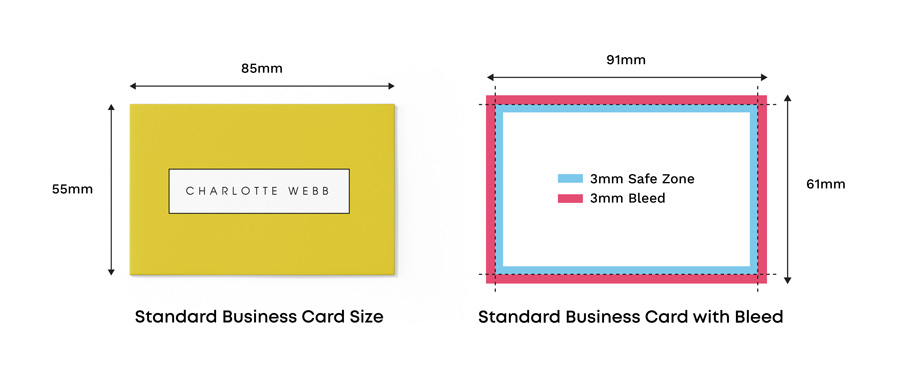
Credit: www.instantprint.co.uk
Standard Visiting Card Sizes
Visiting cards are small tools that carry important contact information. Their size affects how easy they are to carry and use. Standard sizes help keep cards neat and professional. Different regions may have unique size preferences. Understanding these sizes helps create cards that fit well in wallets and cardholders.
Common Dimensions Worldwide
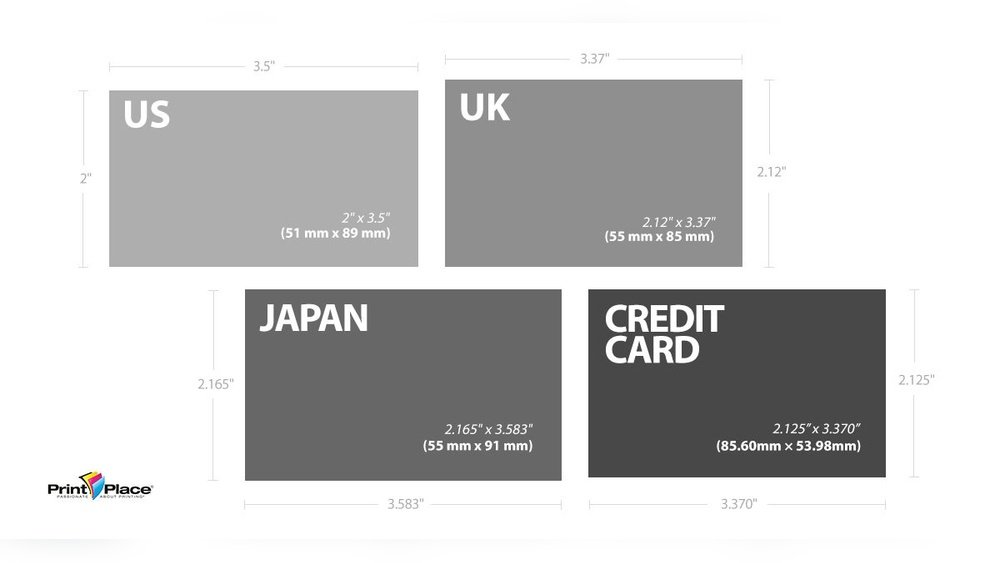
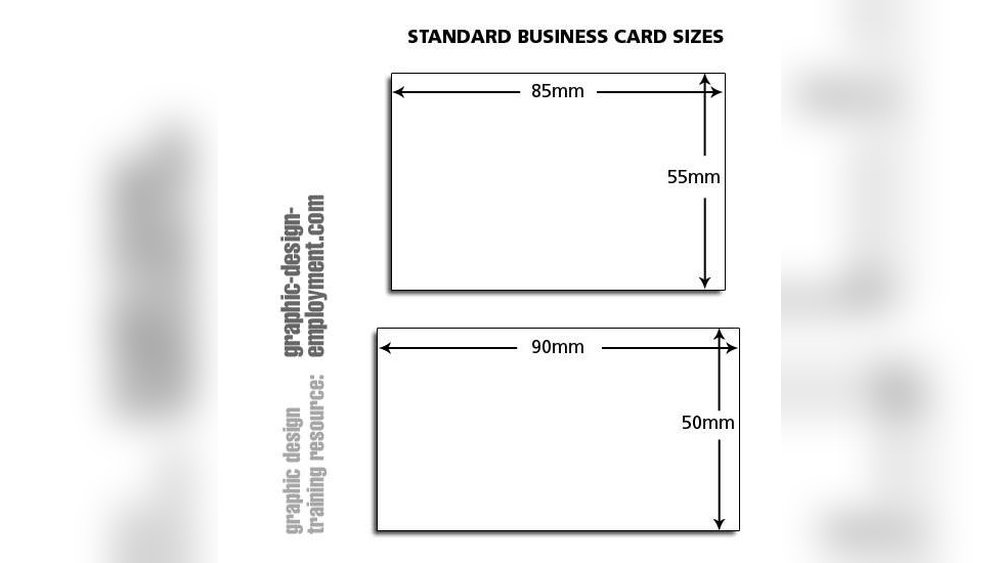
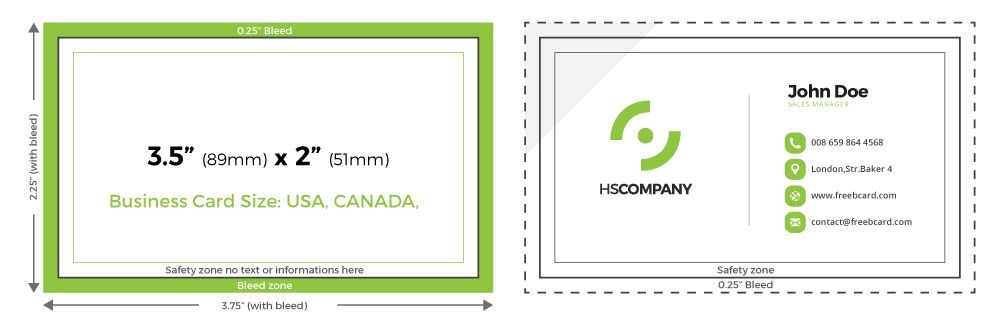
The most common visiting card size worldwide is 3.5 inches by 2 inches. This size fits easily in most wallets and cardholders. It offers enough space for essential details without looking crowded. Many businesses prefer this size for its simplicity and convenience. It is widely accepted in many countries.
Regional Size Variations
In Europe, cards often measure 3.35 inches by 2.17 inches. These slightly taller cards stand out but still fit most holders. Japan uses a smaller size, about 3.58 inches by 1.97 inches. This size suits their compact wallets and traditional business styles. Australia and New Zealand sometimes prefer cards closer to 3.54 by 2.17 inches. These small differences reflect local habits and preferences.
Credit: glorify.com
Choosing The Right Size
Choosing the right size for your visiting card matters a lot. The size affects how people see your card and how easy it is to carry. Picking the best size helps your card fit your needs and stand out.
Purpose And Industry Influence
The card’s size depends on your job or business type. A creative field may allow bigger, unique cards. A formal industry prefers standard, simple sizes. Your card’s size should match your professional image.
Think about the message your card sends. A small card feels neat and direct. A larger card offers space for more details. Choose a size that suits your work style.
Portability And Storage
People keep cards in wallets or cardholders. A common size fits well in most holders. A very large card may get lost or thrown away. A small card fits easily but may lack space for info.
Consider how your card travels. A handy size stays safe and handy. It encourages people to keep your card longer. Balance size with convenience for best results.
Custom Shapes And Sizes
Custom shapes and sizes for visiting cards offer a fresh way to stand out. They break the usual rectangular mold and add personality. These options let you match your card to your brand or style. Unique shapes can catch attention quickly. Different sizes can make your card easier to carry or display.
Creative Design Options
Custom cards come in many shapes. Circles, squares, or even die-cut designs are popular. You can add rounded corners or cut-outs. These small changes make your card memorable. Colors and textures also play a big role. Embossing or foil stamping enhances the look. Creative designs help express your brand’s message clearly.
Pros And Cons Of Unconventional Sizes
Unusual sizes make your card stand out in a pile. They can be easier to notice and remember. Small cards fit well in wallets or pockets. Large cards offer more space for details. But non-standard sizes may not fit in cardholders. They can cost more to print and mail. Some people might find them hard to store. Balance creativity with practicality for best results.
Printing Considerations
Printing a visiting card involves more than just choosing the size. Proper printing ensures the card looks professional and lasts longer. Small details during printing can affect the final look and feel of the card.
Understanding printing rules helps avoid mistakes like cutting off important text or images. It also guarantees that colors and textures appear as expected. Here are two key printing considerations to keep in mind.
Bleed And Margin Guidelines
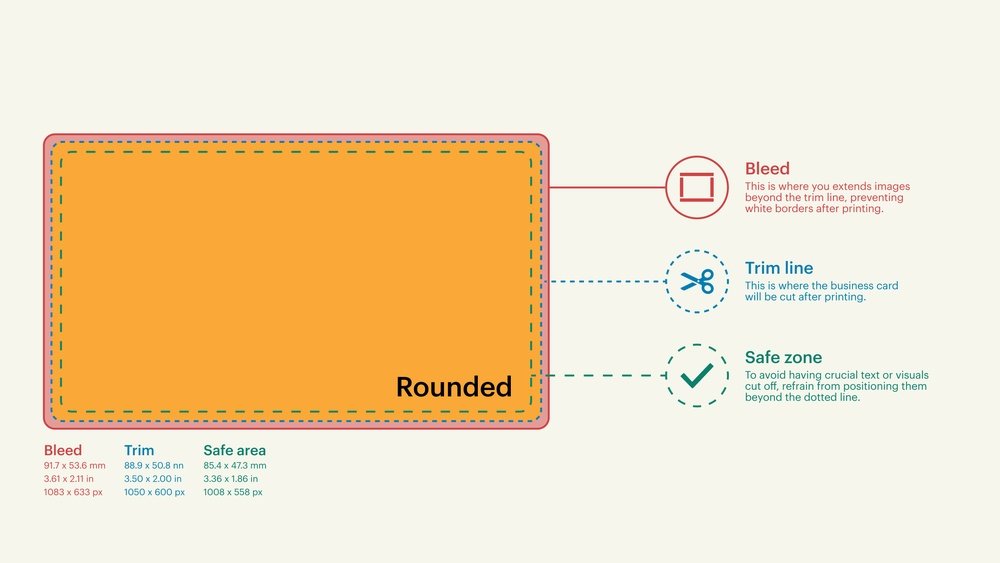
Bleed is the extra space around the card’s edge. Printers use bleed to avoid white borders after cutting. A common bleed size is 0.125 inches on each side.
Margins keep important text and logos away from edges. Safe margins prevent details from being cut off. Usually, margins should be at least 0.125 inches inside the card edges.
Design with bleed and margin rules in mind. This avoids errors and keeps your card looking sharp.
Material Impact On Size
The material affects the card’s feel and slight size changes. Thick paper or plastic can add small thickness but may also alter dimensions.
Some materials expand or shrink during printing. This can affect the final size of your card. Check with the printer about material behavior before printing.
Choose materials that fit your size needs and design goals. This ensures the card remains easy to carry and present.
Trends In Visiting Card Dimensions
Visiting card sizes have evolved over time. Today, many trends shape how cards look and feel. These trends focus on size, style, and usability. Businesses want cards that stand out but stay practical. The size of the card plays a key role in this balance.
Smaller and simpler cards are gaining popularity. They save space and feel modern. Digital options also affect card size choices. Combining digital and physical cards creates fresh opportunities.
Minimalist Size Trends
Minimalist cards use less space than traditional ones. Many choose sizes smaller than the standard 3.5 by 2 inches. A smaller card fits easily in wallets and pockets. It also creates a clean, neat look. Minimalist cards often use white space to highlight key details. The simple design helps the card feel less crowded.
Some businesses prefer square cards or slim rectangles. These shapes break the usual pattern. They attract attention without adding bulk. Minimalist cards focus on essential information only. This trend suits creative and modern brands well.
Digital And Hybrid Cards
Digital cards work well with smaller physical cards. A tiny card can hold a QR code or link. People scan the code to get full contact details. This method saves space on the card itself. Hybrid cards combine the best of both worlds.
Physical cards remain useful for first impressions. Digital cards offer more details and easy sharing. The size of physical cards shrinks as digital use grows. This trend helps brands stay eco-friendly and tech-savvy. It also keeps cards practical and easy to carry.

Credit: www.printplace.com
How IOKPRINT Can Help You with Visiting Card Size
Exploring Visiting Card Sizes Through Practical Learning
Understanding the nuances of visiting card size goes beyond just knowing the standard dimensions. When experimenting with custom shapes and sizes, it’s valuable to consider how these choices affect printing outcomes and overall usability. For instance, opting for a slightly unconventional size may enhance memorability but could also impact how the card fits in wallets or holders.
One practical way to deepen your knowledge is by reviewing sample prints or ordering small batches to assess the feel and visual impact firsthand. Resources like IOKPRINT offer a variety of business card options, including standard and custom sizes, which provide real-world examples to study. Paying attention to printing considerations—such as paper quality and finish—can reveal how these elements interact with card dimensions to influence the final product.
- Compare different sizes to see how they affect design layout
- Experiment with custom shapes to understand brand expression
- Review printing quality to evaluate material suitability
If you’re curious about the practical aspects of visiting card dimensions, reaching out to professional printers can offer valuable insights. IOKPRINT’s contact details are available online and can be a helpful resource for inquiries about size options and print specifications.
Frequently Asked Questions
What Is The Standard Visiting Card Size Worldwide?
The standard visiting card size is usually 3. 5 x 2 inches. This size fits well in wallets and cardholders everywhere.
Why Is Visiting Card Size Important For Businesses?
Correct size ensures easy carrying and professional look. It helps make a good first impression.
Can Visiting Card Sizes Vary By Country?
Yes, some countries have slightly different standard sizes. But most use sizes close to 3. 5 x 2 inches.
How Does Visiting Card Size Affect Design And Readability?
Smaller cards limit space for details and logos. Larger cards offer more room but may be hard to carry.
What Paper Thickness Is Ideal For Visiting Cards?
Typical thickness ranges from 300 to 350 gsm. Thicker cards feel more premium and last longer.
Conclusion
Visiting card size matters for making a strong first impression. It fits easily in wallets and pockets. The standard size helps people recognize and save your contact details. A well-sized card looks neat and professional. Keep your design clear and simple.
Choose a size that suits your style and needs. Small but powerful. Your visiting card speaks for you.