Have you ever wondered if the size of your business card really matters? You might think any card will do, but the truth is, the right business card size can make a powerful first impression.
Thank you for reading this post, don't forget to subscribe!It can help your card stand out, fit perfectly in wallets, and even influence how people remember you. You’ll discover exactly what business card size works best and why choosing the right dimensions can boost your professional image. Keep reading to learn how a simple change can make your business card unforgettable.
Standard Business Card Sizes
Business cards are a key tool for professionals. The size of a business card affects how it fits in wallets and cardholders. Knowing the standard sizes helps create cards that look good and feel right. Different regions follow different size standards. Let’s explore the common sizes used worldwide.
Global Size Variations
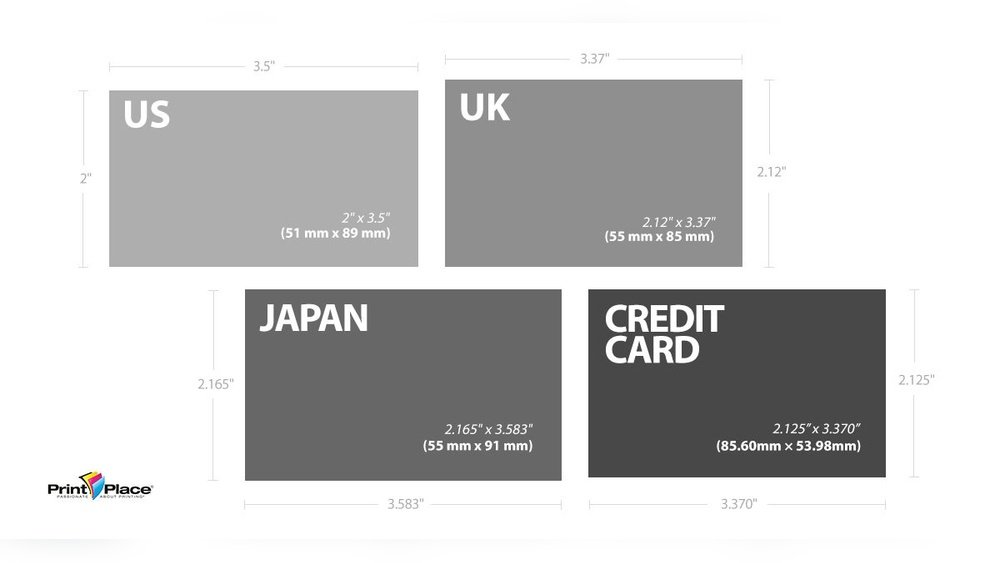
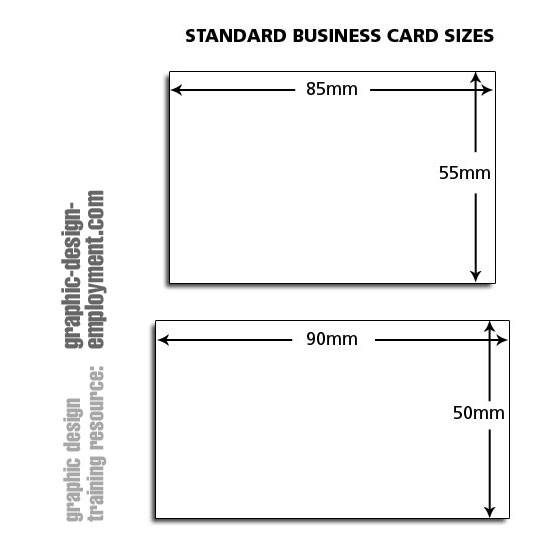
Business card sizes vary widely around the world. In many countries, cards tend to be smaller or larger than in the US. For example, European cards often use the A7 size, which is 74 by 105 millimeters. Asian countries like Japan prefer a size close to 91 by 55 millimeters. These differences reflect local preferences and printing standards. Choosing the right size means considering where the card will be used.
Common Us Dimensions
In the United States, the standard business card size is 3.5 by 2 inches. This size fits easily into most wallets and cardholders. It also provides enough space for names, contact details, and logos. Many printers and design templates cater to this size. Using the common US dimensions ensures your card looks professional and fits expectations.

Credit: www.uprinting.com
Choosing The Right Size
Choosing the right business card size is important. It affects how people see your brand and keep your contact details. The size should match your industry style and the message you want to send. Small cards fit easily in wallets. Larger cards stand out more and hold more information.
Industry Preferences
Different industries prefer different card sizes. Creative fields like design or art often use unique sizes to show creativity. Traditional fields like law or finance stick to standard sizes for professionalism. Knowing your industry style helps you pick a size that fits your image. It shows you understand your field and respect its norms.
Target Audience Impact
The size of your card affects how your audience reacts. Small cards are easy to carry and share. Larger cards catch attention and can hold more details. Think about who will get your card. Busy professionals might prefer simple, small cards. Customers in creative markets may like bold, bigger cards. The right size makes your card useful and memorable.
Custom Business Card Dimensions
Custom business card dimensions let you choose sizes beyond the standard options. They help your card stand out in a stack. Custom sizes can fit your brand style better. You can create a unique first impression with the right size.
Creative Size Options
Business cards come in many shapes and sizes. Square cards are popular for a modern look. Mini cards fit easily in wallets and pockets. Larger cards offer more space for information and design. Some choose vertical cards to break the usual horizontal format. Rounded corners add a soft, friendly touch to cards.
Pros And Cons
Custom sizes catch attention quickly. They show creativity and care in design. Unique sizes can make your card memorable. But, unusual sizes may not fit standard card holders. Printing costs can be higher for custom shapes. Some printers charge extra for special sizes. Custom cards may not scan well with business card apps. Balance creativity with practicality for best results.
Credit: www.instantprint.co.uk
Printing And Design Tips
Designing and printing business cards requires careful attention to detail. Small mistakes can affect the final look and feel. Following printing and design tips helps create a professional card that stands out.
Bleed And Margin Guidelines
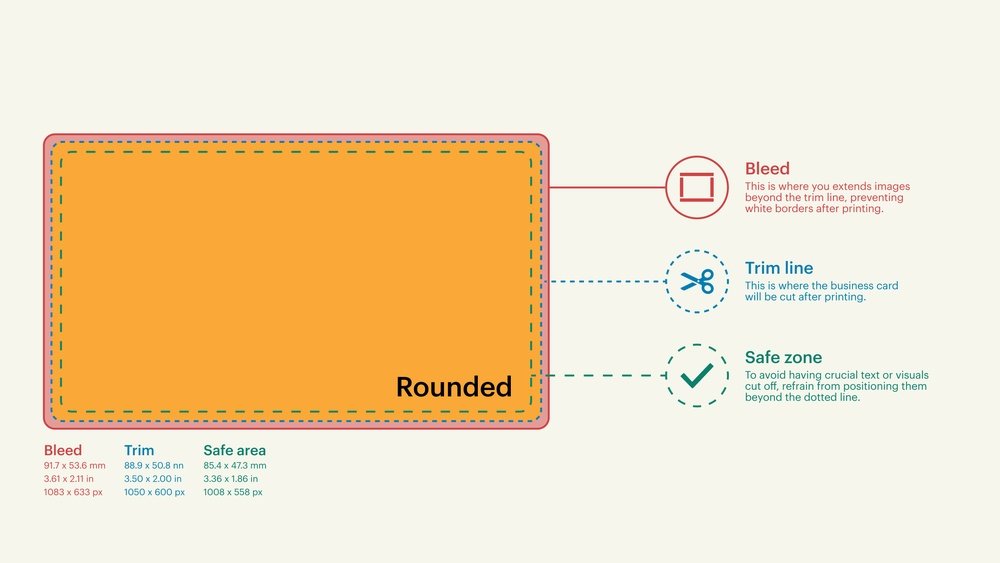
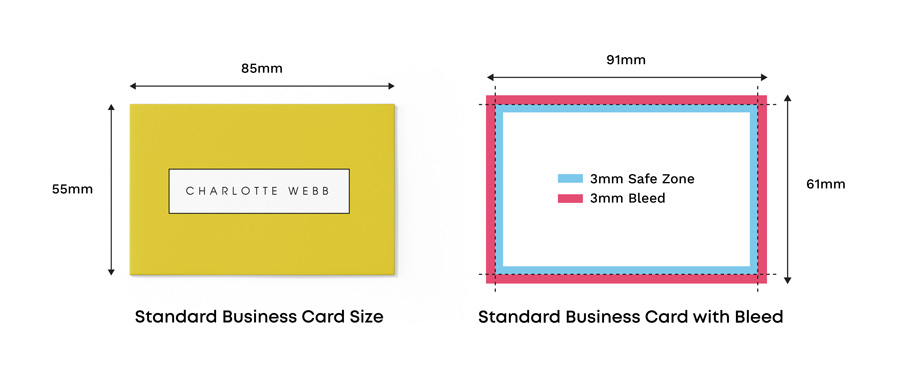
Bleed is the extra space around your design. It ensures colors or images reach the card’s edge after cutting. Usually, add 1/8 inch bleed on all sides. Margins keep important text safe from being cut off. Keep text at least 1/8 inch inside the trim line. This balance prevents errors during printing and cutting.
Material Considerations
Choosing the right paper affects the card’s durability and look. Thick cardstock feels more professional than thin paper. Matte finishes reduce glare and make cards easier to read. Glossy finishes make colors pop but can show fingerprints. Consider recycled or textured materials for a unique touch. Each material changes how colors and designs appear.
Digital Vs. Physical Cards
Business cards remain a key tool for sharing contact details. The traditional physical card has a set size, easy to carry and share. Digital cards offer a modern twist, storing information on devices. Each type brings unique benefits and challenges, especially around size and use.
Size Implications
Physical cards typically measure 3.5 by 2 inches. This size fits wallets and cardholders well. It limits the amount of information shown. Designers must be concise and clear.
Digital cards have no fixed size. They can hold more details, links, and images. Users can customize the display to fit their needs. Size is flexible on screens and apps.
Usage Scenarios
Physical cards work well in face-to-face meetings. They create a personal touch and are easy to hand over. People expect to receive and keep them.
Digital cards suit online networking and remote work. They can be shared instantly via email or social media. Digital cards reduce paper waste and clutter.
Credit: www.graphic-design-employment.com
How IOKPRINT Can Help You with Business Card Size
Practical Learning Through Business Card Size Exploration
Understanding the nuances of business card size goes beyond just picking a dimension; it offers valuable hands-on learning about design, branding, and communication. When you consider standard business card sizes alongside custom dimensions, it encourages experimentation with layout and typography to make the most of the available space.
Additionally, exploring printing and design tips in real scenarios helps sharpen your eye for detail—whether it’s selecting the right paper weight or balancing visual elements effectively. Comparing digital versus physical cards further expands your grasp on how format influences user engagement and information retention.
- Test different sizes and designs to see which resonate best with your audience.
- Use reliable printing services that allow you to try varied options, ensuring quality and delivery efficiency.
- Keep in mind how size impacts usability, storage, and professional impression.
For practical resources, websites like www.iokprint.in provide extensive options and free delivery, making it easier to experiment without logistical hassle. Should you need assistance or want to explore different sticker or card styles, their contact channels offer helpful support without pressure.
Frequently Asked Questions
What Is The Standard Business Card Size Worldwide?
The most common business card size is 3. 5 x 2 inches. This size fits well in wallets and cardholders globally.
Why Is Business Card Size Important For Branding?
A well-sized card looks professional and is easy to carry. It helps create a strong first impression for your brand.
Can Business Card Sizes Vary By Country?
Yes, some countries use different sizes like 3. 54 x 2. 17 inches in Europe. Always check local standards before printing.
How Does Business Card Size Affect Design Choices?
Smaller cards limit space for details, so prioritize key info. Larger cards offer more room but may be less convenient.
What Materials Work Best For Standard Business Card Sizes?
Cardstock paper around 300-350 gsm is ideal for durability. Matte or glossy finishes add a professional touch without extra size.
Conclusion
Choosing the right business card size helps you make a strong first impression. Small cards fit easily in wallets and pockets. Larger cards offer more space for details and design. Think about your brand and audience before deciding. A well-sized card keeps your information clear and memorable.
Keep it simple but effective. Your business card can open doors to new opportunities. Make sure it matches your style and purpose. A good card speaks volumes without saying too much.