

Choosing the right paper for your business cards can make all the difference in how people see your brand. You want your card to feel just right in your hand—professional, memorable, and a true reflection of your style.
Thank you for reading this post, don't forget to subscribe!But with so many options out there, how do you pick the best one? This guide will help you understand which paper types will make your business cards stand out and leave a lasting impression. Keep reading to find the perfect match for your business and make every connection count.
Types Of Paper For Business Cards
Choosing the right paper for business cards affects how people see your brand. Paper type changes the look and feel of your card. It also affects durability and the impression you make.
Many paper options exist. Each type offers a unique style and texture. Knowing the differences helps you pick the best one for your needs.
Matte Vs Glossy
Matte paper has a smooth, flat finish. It does not shine or reflect light. Matte cards feel soft and look simple. They are easy to write on with pens.
Glossy paper is shiny and bright. It makes colors pop and look sharp. Glossy cards grab attention and feel slick. They can show fingerprints more easily.
Textured Papers
Textured paper adds a tactile feel to cards. Common textures include linen, felt, or canvas. These surfaces create a unique, classy look. Textured cards stand out by touch and sight.
They often feel thick and sturdy. This paper type gives a handmade or artistic vibe. Perfect for creative businesses or personal brands.
Recycled Options
Recycled paper is eco-friendly and sustainable. It uses old paper fibers to reduce waste. These cards show your care for the environment.
Recycled paper can have a natural, rough look. It may be slightly off-white or cream. Good quality recycled papers still feel strong and durable.
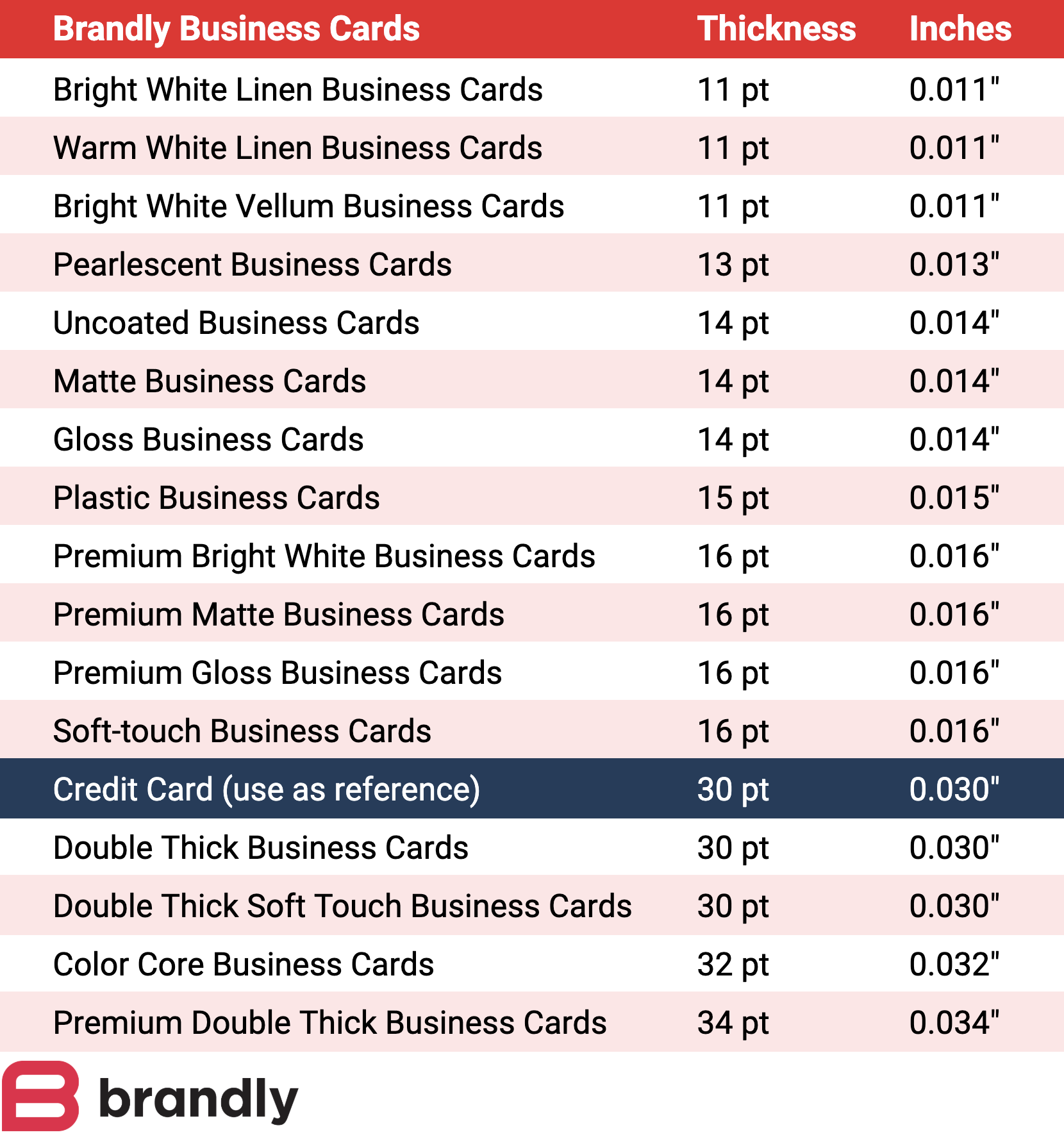
Credit: www.brandly.com
Paper Weight And Thickness
Paper weight and thickness are key factors in choosing business card paper. They affect the card’s feel, strength, and overall impression. Picking the right weight and thickness helps create a professional and lasting business card. Let’s explore these aspects in detail.
Standard Weights
Business card paper weight is measured in pounds (lb) or grams per square meter (gsm). Common weights range from 80 lb to 130 lb or 200 gsm to 350 gsm. Most business cards use paper around 300 gsm. Lighter paper feels thin and less sturdy. Heavier paper gives a solid, premium feel.
Impact On Durability
Thicker paper resists bending and tearing. It stays crisp after many handlings. Thin paper bends easily and may look worn fast. Durability matters for cards that travel or stay in wallets. Strong paper protects your contact details and design.
Choosing The Right Thickness
Choose thickness based on your style and budget. Thick cards stand out and feel high quality. Thin cards cost less and are easy to store. Balance thickness with design and finish. Some finishes need thicker paper for best results.
Finishes And Coatings
Finishes and coatings play a big role in the look and feel of business cards. They protect the card and make it stand out. The right finish can add shine, texture, or even extra strength. Different finishes also affect how the card feels in your hand. Choosing the right one depends on your style and purpose.
Lamination Choices
Lamination adds a thin plastic layer to your card. It makes the card stronger and water-resistant. You can pick matte lamination for a soft, smooth touch. Glossy lamination gives a shiny and bright look. Soft-touch lamination feels velvety and elegant. Each type changes the card’s appearance and durability.
Uv Coating Benefits
UV coating uses a special liquid cured by ultraviolet light. It adds a thick, shiny layer on the card’s surface. This coating makes colors pop and details sharp. It also protects the card from scratches and dirt. UV coating works best for bold designs and bright colors.
Specialty Finishes
Specialty finishes create unique effects on business cards. Spot UV highlights specific areas with a glossy shine. Foil stamping adds metallic colors like gold or silver. Embossing raises parts of the card for a 3D feel. These finishes add style and catch attention easily.

Credit: www.printivity.com
Cost Considerations
Choosing the right paper for business cards involves thinking about cost. Cost affects your choices and the overall look of your cards. Picking the perfect paper means balancing price with the quality you want. This section breaks down the costs of different papers. It helps you find the best fit for your budget and style.
Budget-friendly Papers
Budget-friendly papers are great for saving money. They usually use thinner cardstock or standard finishes. These papers still feel decent and print well. Many small businesses and startups use these to keep costs low. You can get a large number of cards without spending too much. They work well for everyday use or simple designs.
Premium Options
Premium papers cost more but offer a better feel and look. Thick cardstock and special textures belong here. These papers give a professional and high-end impression. They last longer and resist wear and tear. Many luxury brands choose premium papers to stand out. The added cost reflects the quality and durability you get.
Balancing Quality And Price
Finding the right paper means balancing quality and price. Too cheap might hurt your brand image. Too expensive might not fit your budget. Mid-range papers offer a good mix of both. They provide decent thickness and finish without a high price. Consider your brand’s message and how many cards you need. This balance helps you get value and appeal in one card.

Credit: www.moo.com
Frequently Asked Questions
What Paper Weight Is Best For Business Cards?
Heavier paper, usually 300-350 gsm, feels sturdy and professional for business cards.
Should I Choose Matte Or Glossy Paper For Cards?
Matte paper looks elegant and reduces glare, while glossy paper is shiny and vibrant.
Can Recycled Paper Work Well For Business Cards?
Yes, recycled paper is eco-friendly and can still look good with proper printing.
Does Texture Affect The Quality Of Business Cards?
Texture adds a tactile feel that can make your card stand out and feel unique.
Conclusion
Choosing the right paper makes your business card stand out. Thick paper feels strong and looks professional. Smooth finishes give a clean and sharp look. Matte papers reduce glare and feel soft to touch. Glossy papers add shine and catch the eye.
Think about your brand and style before picking paper. The best paper fits your message and budget well. A good choice leaves a lasting, positive impression on clients. Your business card speaks for you—make it count.
