Have you ever wanted to make custom stickers that show off your style or brand? Whether you’re looking to add a personal touch to your laptop, decorate your planner, or promote your business, custom stickers are a simple and fun way to do it.
Thank you for reading this post, don't forget to subscribe!But you might be wondering—can you really make your own stickers easily and affordably? You’ll discover how simple it is to create stickers that are uniquely yours. Keep reading, and you’ll find out the best tips and tricks to bring your ideas to life with custom stickers.
Types Of Custom Stickers
Custom stickers come in many styles. Each type fits different needs and looks unique. Choosing the right sticker depends on the project and where it will be used. Here are some popular types of custom stickers to consider.
Vinyl Stickers
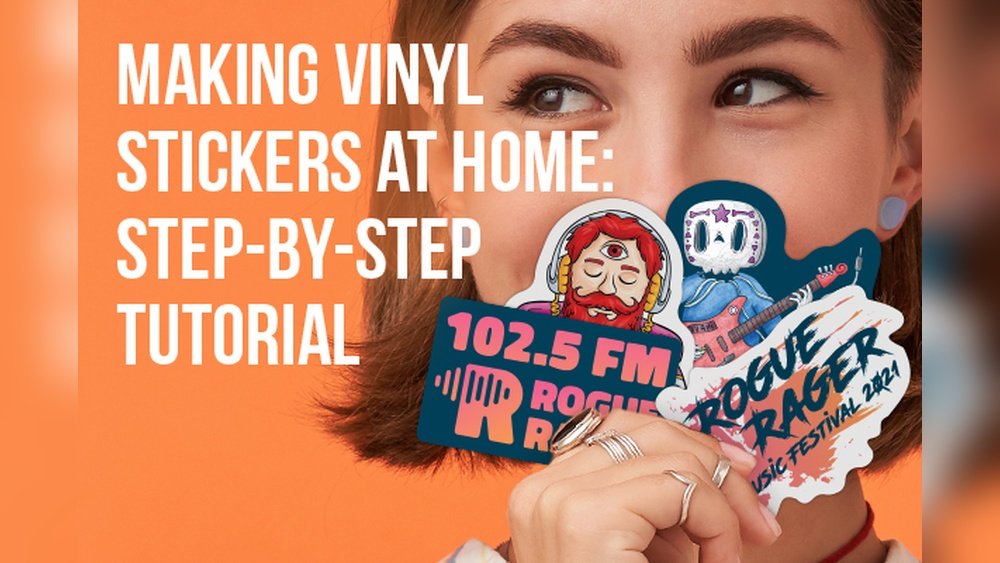
Vinyl stickers are strong and water-resistant. They work well outdoors and last a long time. These stickers have a smooth finish and bright colors. You can use vinyl stickers on cars, windows, or laptops. They peel off easily without leaving sticky marks.
Die-cut Stickers
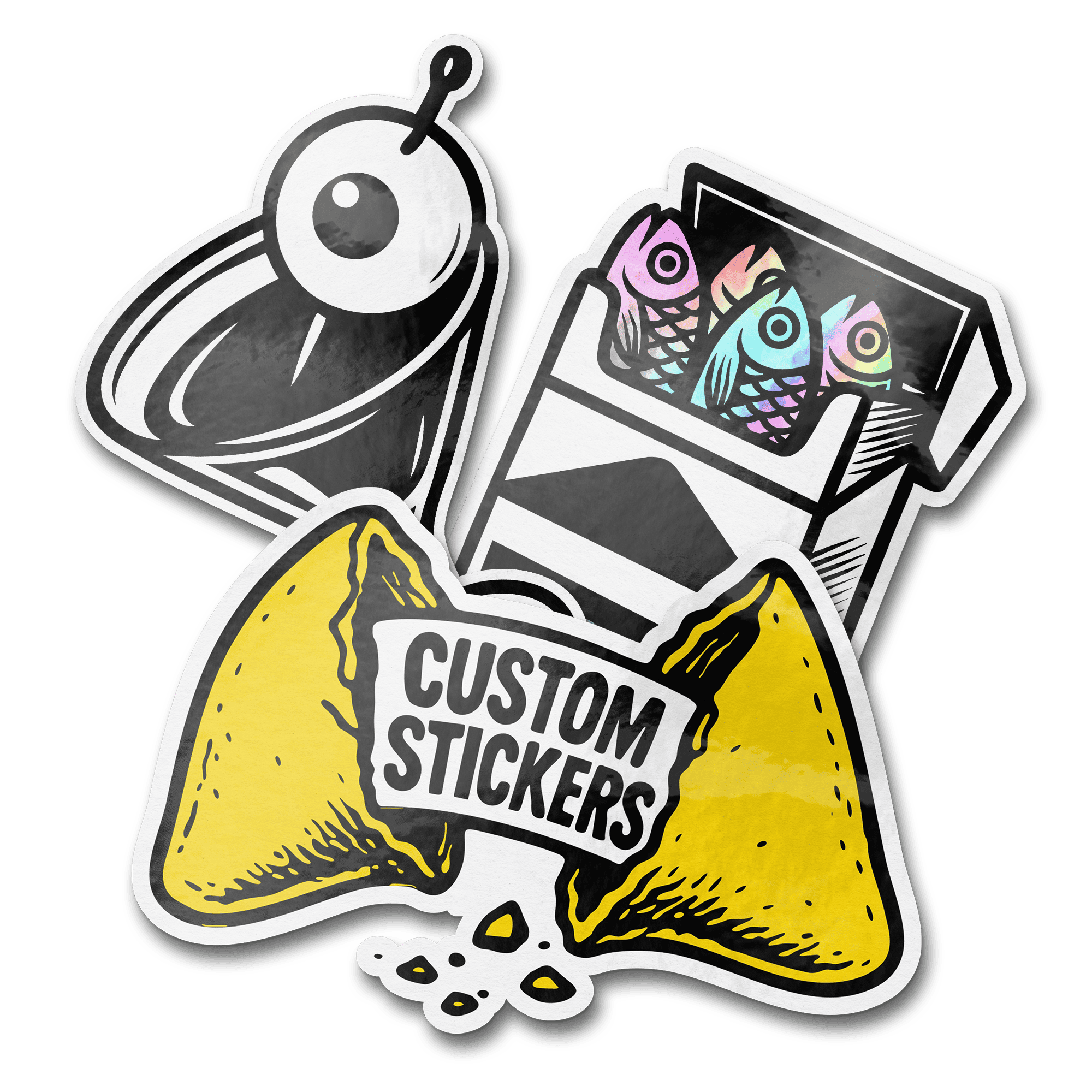
Die-cut stickers are cut to fit the shape of your design. They do not have a white border. This type looks professional and clean. Use die-cut stickers for logos, artwork, or product labels. They give a unique and custom look to your items.
Clear Stickers
Clear stickers have a transparent background. They blend well with surfaces like glass or plastic. These stickers make your design stand out without a white box. Clear stickers are perfect for windows, bottles, and packaging.
Holographic Stickers
Holographic stickers shine with rainbow colors. They change colors when you move them. These stickers attract attention and add style. Use holographic stickers for special events or branding that needs extra flair.
Materials And Printing Options
Choosing the right materials and printing methods is key to making custom stickers. These choices affect how your stickers look and how long they last. Different papers and printing styles offer unique results. Understanding these options helps you create stickers that fit your needs and style.
Sticker Paper Choices
Sticker paper comes in many types. White paper is common and works well for most designs. Clear paper lets the background show through. Vinyl paper is strong and water-resistant. Matte paper gives a soft, non-shiny look. Glossy paper makes colors bright and shiny. Pick the paper based on where you will use the stickers.
Printing Techniques
Home printers often use inkjet or laser printing. Inkjet prints bright colors but may smudge. Laser printing is sharper and more durable. For large orders, digital printing offers fast and clear results. Screen printing can add texture and is good for simple designs. Each technique changes the look and feel of your sticker.
Durability And Finish
Sticker durability depends on paper and ink quality. Vinyl stickers resist water and sunlight well. Laminating stickers adds a protective layer. This helps prevent scratches and fading. Matte finishes hide fingerprints and glare. Glossy finishes enhance color depth. Choose finishes that match your sticker’s use and style.
Designing Custom Stickers
Designing custom stickers lets you create unique and personal designs. It is a fun way to show creativity and express ideas. A good design makes your stickers stand out and look professional.
Start with a clear plan of what you want your sticker to show. Simple shapes and bold colors work best. Keep the design clean so it is easy to see and understand.
Choosing The Right Software
Select software that fits your skill level and design needs. Programs like Adobe Illustrator or CorelDRAW are great for detailed work. For beginners, tools like Canva or Inkscape are easy to use. These options help you create smooth lines and vibrant colors.
Tips For Effective Design
Use bright colors to catch attention. Avoid too many small details; they can get lost when printed. Make sure text is large enough to read. Test your design at the actual sticker size. Balance the elements so the sticker looks good from all sides.
File Formats And Resolution
Save your design in high resolution for clear printing. Use formats like PNG or SVG for the best quality. Vector files like SVG allow resizing without losing sharpness. Aim for at least 300 DPI to keep images crisp. Check your printer’s file requirements before saving.
Credit: stickerapp.com
Diy Vs Professional Printing
Making custom stickers can be done in two main ways: DIY printing at home or using professional printing services. Each option has its benefits and drawbacks. Understanding these can help you choose the best method for your needs.
DIY printing offers control and quick results. Professional printing provides high quality and large quantities. Both methods suit different projects and budgets.
Home Printing Methods
Printing stickers at home is simple with a few supplies. You need sticker paper, a good inkjet or laser printer, and design software. Many people use free tools like Canva or simple programs like Microsoft Paint.
Cutting your stickers can be done with scissors or a cutting machine. This method lets you create small batches fast. The quality depends on your printer and paper type. Colors might not be as bright as professional prints.
Using Online Services
Online printing services offer easy steps to make stickers. Upload your design, pick the size and finish, then place your order. They handle printing, cutting, and shipping.
These services use advanced printers for sharp images and vibrant colors. You can order many stickers at once. It suits businesses and big projects. The turnaround time varies but is often a few days.
Cost Comparison
DIY printing usually costs less for small runs. You buy supplies once and reuse them. The cost per sticker drops as you print more. Initial investment in a printer might be high.
Professional printing has higher upfront costs for small orders. Bulk orders reduce the price per sticker. No need to buy equipment or materials. Shipping fees may apply. Balance cost with quality and quantity needs.
Applications For Custom Stickers
Custom stickers have many uses in daily life and business. They help share messages, show creativity, and catch attention quickly. From small projects to big campaigns, stickers fit many needs.
They work well for branding, personal fun, and events. Each use brings a chance to express ideas clearly and attract people’s eyes.
Branding And Marketing
Businesses use custom stickers to promote their brand. Stickers with logos or slogans build recognition. They go on products, packages, or windows. This helps customers remember the brand. Stickers can also be giveaways at stores or events. They spread the message easily and cheaply.
Personal Use
Many people enjoy making stickers for fun. Use them to decorate laptops, water bottles, or notebooks. Custom designs show personality or hobbies. They also work as gifts or party favors. Stickers make everyday items unique and special.
Event Promotions
Stickers help promote events like concerts or festivals. They create excitement and keep memories alive. Hand out stickers to attendees or use them on event materials. They catch attention fast and spread event details. Stickers also help build a sense of community at gatherings.
Ordering And Production Process
The ordering and production process for custom stickers is simple and clear. Understanding each step helps you get the best final product. You control the design, and the print shop handles the rest. From submitting your artwork to receiving your stickers, every phase matters.
Submitting Your Design
Start by creating your sticker design. Use the file types accepted by the printer, usually PNG, JPG, or PDF. Make sure your design meets size and resolution rules. Upload your file to the website or send it by email. Clear and correct files speed up the process.
Proofing And Revisions
The printer sends you a proof before printing. This proof shows how your sticker will look. Check colors, size, and text carefully. Request changes if something looks off. Approve the final proof so printing can begin.
Shipping And Delivery Times
After approval, printing starts. Production usually takes a few days. Shipping time depends on your location and the shipping method. Track your order online to know when it arrives. Plan your order early to avoid delays.
Tips For Long-lasting Stickers
Custom stickers add personality to your items. Keeping them looking new is important. Follow these tips to make your stickers last a long time. Proper care and handling help protect the design and material. This guide covers how to apply, store, and protect your stickers from weather.
Proper Application Techniques
Clean the surface well before sticking. Use soap and water to remove dirt and oils. Let the surface dry completely. Peel the backing carefully without touching the sticky side. Place the sticker gently and press from the center outwards. Use a flat tool like a credit card to smooth out bubbles. Avoid stretching the sticker during application. A smooth, clean surface helps the sticker stick better.
Storage Recommendations
Store unused stickers in a cool, dry place. Keep them flat to avoid bending or curling. Use a plastic sleeve or envelope for protection. Avoid exposure to direct sunlight which can fade colors. High heat can weaken the adhesive. Proper storage keeps stickers fresh and ready to use.
Weather Resistance
Choose stickers made with weather-resistant materials for outdoor use. Vinyl stickers last longer under sun and rain. A laminate layer adds protection against scratches and moisture. Avoid sticking on surfaces that collect water or dirt. Remove stickers carefully to avoid damage when weather wears them down.
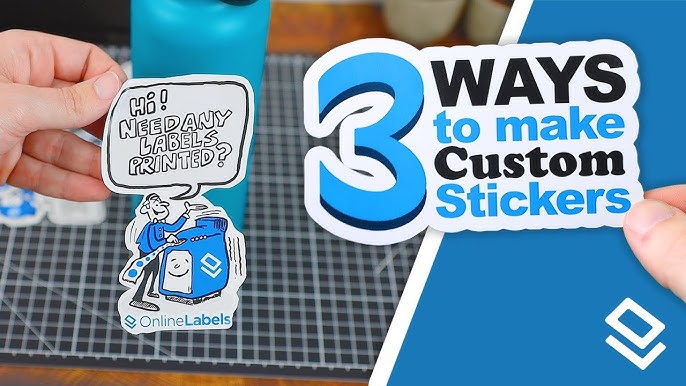
Credit: www.youtube.com

Credit: www.jukeboxprint.com
Frequently Asked Questions
Can You Create Custom Stickers At Home?
Yes, you can make custom stickers at home using printable vinyl or sticker paper. Design your sticker digitally, print it, and cut out the shapes. Home sticker making is budget-friendly and allows personalization with various styles and sizes.
What Materials Are Needed For Custom Stickers?
To make custom stickers, you need printable vinyl or sticker paper, a printer, and cutting tools. You may also use design software for creating artwork. Optional items include laminating sheets for durability and a cutting machine for precision.
How Long Do Custom Stickers Last?
Custom stickers typically last from 1 to 5 years, depending on material and exposure. Waterproof vinyl stickers resist fading and peeling, making them ideal for outdoor use. Proper lamination can extend sticker lifespan and maintain vibrant colors.
Are Custom Stickers Cost-effective For Small Orders?
Custom stickers can be cost-effective for small orders if you use home printing methods. Professional printing usually has minimum order requirements and bulk discounts. DIY printing reduces costs but may need more time and effort.
Conclusion
Creating custom stickers is simple and fun for anyone. You can choose your own designs, colors, and sizes. Many online tools make the process easy and fast. Custom stickers help you share your ideas or promote your brand. They also make great gifts or decorations.
With a little effort, you can have unique stickers that fit your style. Start small and try different designs. Enjoy the creativity and personal touch custom stickers bring. Give it a try today!