
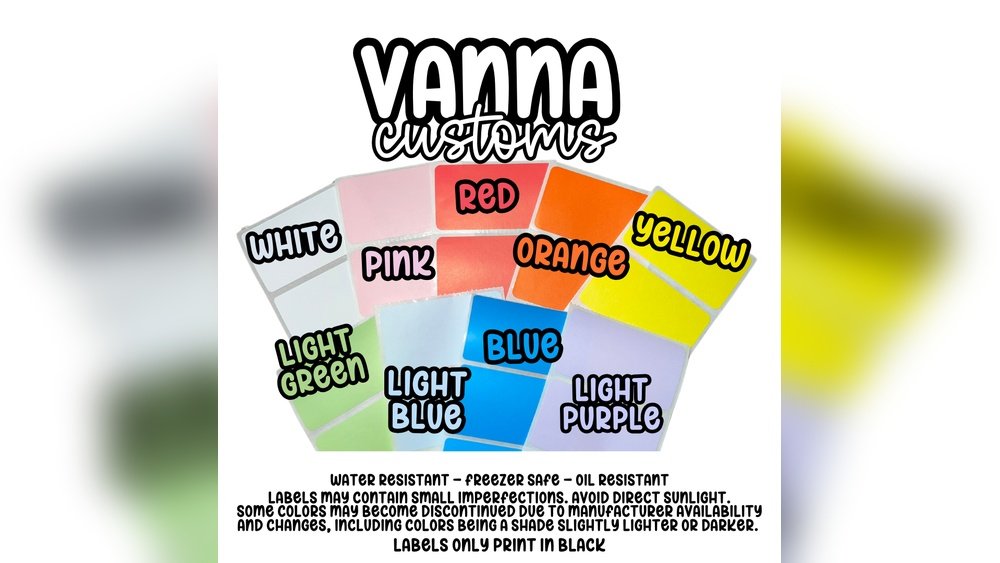
Are you tired of labels that smudge or peel off when they get wet or oily? You need water oil proof labels that can keep up with your products and your busy life.
Thank you for reading this post, don't forget to subscribe!These special labels stay clear and strong, no matter what they face. Imagine your packaging looking sharp and professional, even after spills or rough handling. Keep reading to discover how these labels can protect your brand and make your products stand out like never before.

Credit: marzamonopoli.it
Benefits Of Water Oil Proof Labels
Water oil proof labels offer strong protection against moisture and grease. They keep labels clear and readable even in wet or oily conditions. These labels are ideal for many products that face tough environments. Their durability saves money and time by reducing the need for frequent replacements.
Using water oil proof labels improves product appearance. They maintain a clean and professional look. This helps products stand out on shelves and builds customer trust. The labels stick firmly and do not peel off easily. They work well on different surfaces, such as plastic, glass, and metal.
Durability In Harsh Conditions
Water oil proof labels resist water and oil damage. They do not smudge or fade under moisture. This durability keeps product information clear for a long time. Labels stay intact even during shipping and handling. This makes them suitable for food, cosmetics, and chemical products.
Improved Product Presentation
These labels keep colors vibrant and text sharp. They avoid stains and wrinkles caused by liquids. Clean labels create a better brand image. Customers see the product as reliable and high quality. This can increase sales and repeat purchases.
Wide Application Range
Water oil proof labels fit many industries. They work on containers that hold liquids or oily substances. Examples include bottles, jars, and tubes. Labels stick well on rough or smooth surfaces. This versatility makes them practical for many businesses.
Cost-effective Solution
Using water oil proof labels reduces waste. Fewer damaged labels mean lower replacement costs. They also save labor by needing less frequent changes. This solution offers long-term savings for companies. Reliable labels protect product information and brand identity.
Materials Used In Durable Labels
Durable labels need strong materials to last long. They must resist water, oil, and wear. The right material keeps labels clear and readable.
Choosing the best material is key. It protects the label from damage. This ensures the label stays intact on products.
Polyester (pet)
Polyester is tough and water-resistant. It does not tear or fade easily. This makes it perfect for oil and water-proof labels.
It holds ink well and stays clear. Labels made from polyester look good for a long time.
Polypropylene (pp)
Polypropylene is flexible and strong. It resists moisture and oil very well. It is less expensive but still very durable.
PP labels stick well to many surfaces. They keep their shape even in tough conditions.
Vinyl
Vinyl is thick and very durable. It handles water and oil without damage. Vinyl labels are often used outdoors or in wet places.
This material stays vibrant and strong. It works well for products needing extra protection.
Thermal Transfer Paper
This paper works with special printers. It creates clear, long-lasting prints. The coating on the paper resists water and oil.
Labels made this way last longer than normal paper labels. They are good for products exposed to moisture.
Applications Across Different Surfaces
Water oil proof labels offer strong resistance to moisture and grease. This makes them perfect for many surfaces. Their durability keeps the label clear and readable. They stick well and last long. They work on smooth and rough surfaces alike.
These labels are useful in many industries. Food packaging, cosmetics, and chemicals often use them. The labels protect important product details. They prevent smudging and fading. This keeps the product looking professional.
Water Oil Proof Labels On Plastic Surfaces
Plastic surfaces are common in packaging. Water oil proof labels stick firmly on plastic. They resist water and oil spills. The labels do not peel easily. This keeps the product information visible. Great for bottles, containers, and plastic bags.
Water Oil Proof Labels On Glass Surfaces
Glass is smooth and slippery. These labels use strong adhesive for glass. They stay on even with water or oil contact. Perfect for jars, bottles, and glass containers. The labels maintain clarity and color on glass.
Water Oil Proof Labels On Metal Surfaces
Metal surfaces need tough labels. Water oil proof labels resist rust and moisture. They cling well to metal cans and tins. The labels do not fade or peel. Ideal for industrial products and food cans.
Water Oil Proof Labels On Paper And Cardboard
Paper and cardboard can absorb water and oil. These labels provide a protective layer. They stop ink from running and smudging. Used on cartons, boxes, and paper packaging. The labels keep text sharp and clear.

Credit: www.amazon.com
Printing Techniques For Longevity
Water oil proof labels need strong printing methods to last long. The print must resist water, oil, and wear. This section covers key printing techniques that keep labels clear and durable. Good printing stops smudging and fading. It makes sure labels stay readable on bottles and containers.
Digital Printing
Digital printing uses inkjet or laser printers to make labels. It allows sharp images and bright colors. The ink bonds well with the label surface. This helps the print resist water and oil. Digital printing works well for small runs and quick jobs.
Flexographic Printing
Flexographic printing uses flexible plates and fast-drying inks. It is common for large label orders. The inks dry quickly and stick tightly to labels. This method creates strong prints that resist moisture and grease. It also keeps colors from fading over time.
Screen Printing
Screen printing pushes ink through a mesh screen. It produces thick ink layers on the label. This thick ink protects the print from water and oil. Screen printing is best for simple designs with few colors. It is very durable and long-lasting.
Thermal Transfer Printing
Thermal transfer printing uses heat to move ink from a ribbon to the label. The ink melts into the label surface. This creates a tough and clear print. It resists water, oil, and scratches well. Thermal transfer is popular for barcode and product labels.
Resistance To Environmental Factors
Water oil proof labels stand out for their strong resistance to many environmental factors. These labels keep their look and stickiness even in tough conditions. They work well in places where water, oil, or dirt are common.
Choosing the right label means it will last longer and keep information clear. This saves money and prevents product damage or confusion.
Resistance To Water
Water proof labels do not soak up water or lose their stickiness. They stay firm on wet surfaces. This makes them perfect for bottles, containers, or products exposed to rain or spills.
Resistance To Oil
Oil can ruin many labels by making ink run or labels peel off. Oil proof labels resist grease and oil stains. They keep labels clear and easy to read in oily environments like kitchens or factories.
Resistance To Heat And Cold
These labels do not warp or fade in hot or cold weather. They stay strong in freezers or near heat sources. This helps products keep their labels readable and intact.
Resistance To Dirt And Chemicals
Dirt and chemicals often damage ordinary labels. Water oil proof labels resist smudges and chemical wear. They keep their color and shape even in harsh work areas.
Customization Options For Labels
Water oil proof labels offer many ways to customize. Customization helps your product stand out on shelves. It also ensures the label fits your brand perfectly.
Choosing the right options can improve label durability and look. Each feature adds value and protects your design.
Shape And Size Choices
Labels come in many shapes and sizes. Round, square, oval, or custom shapes fit your container. Small labels suit jars, large ones suit bottles. You can pick a size that matches your product perfectly.
Material And Finish Options
Materials affect label strength and feel. Waterproof and oil-resistant films keep labels intact. Matte, glossy, or satin finishes change the look. Choose a finish that fits your brand style.
Color And Design Flexibility
Colors make your label attractive. Print in full color or simple black and white. Designs can include logos, text, and images. Bright colors catch the eye, while simple designs look clean.
Adhesive Types
Different adhesives suit different surfaces. Permanent adhesives keep labels stuck for a long time. Removable adhesives let you peel off labels easily. Choose based on how you want to use the label.
Special Features
Labels can include extra features. UV coating protects against sun damage. Embossing adds texture and depth. These options make labels more unique and durable.
Choosing The Right Label For Your Needs
Choosing the right Water Oil Proof Label matters for your product’s success. The label protects your packaging from water and oil damage. It keeps your brand clear and readable. Picking the right type saves money and avoids waste.
Consider the environment where you will place the label. Some labels work better on wet surfaces. Others resist oily hands or greasy products. Knowing this helps select a label that lasts long.
Think about the label’s size and shape. It should fit your product well. Also, check the printing quality. Clear, sharp text and images attract customers and build trust.
Understanding Label Material Options
Water Oil Proof Labels come in different materials. Plastic films like polyester or polypropylene work well. They resist water, oil, and tearing. Paper labels often fail in wet or oily conditions. Choose materials based on your product’s environment.
Adhesive Types And Their Importance
Adhesives hold the label on your product. Permanent adhesives stick firmly and last long. Removable adhesives peel off without damage. Some adhesives work better on oily or wet surfaces. Pick one that suits your product’s needs.
Design And Print Quality
Your label design needs to be clear and simple. Use bold fonts and bright colors for visibility. Print quality should resist fading from water or oil. Good printing keeps your message readable and attractive.
Size And Shape Considerations
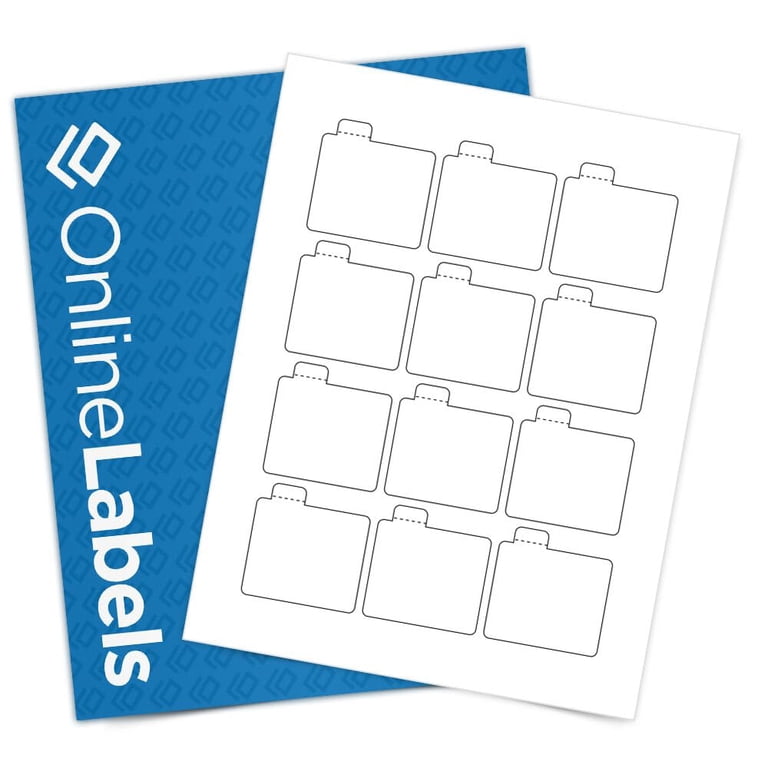
Choose a label size that fits your product perfectly. Too big looks messy; too small hides important info. Shapes can add style or fit unique packaging. Match size and shape to your brand’s look.
Credit: www.walmart.com
Frequently Asked Questions
What Are Water Oil Proof Labels Used For?
Water oil proof labels protect products from moisture and grease. They keep labels clear and readable on wet or oily surfaces. This makes them ideal for food, cosmetics, and chemicals.
How Do Water Oil Proof Labels Resist Moisture?
These labels use special materials like synthetic films and waterproof adhesives. They prevent water from soaking through the label. This keeps the print intact even when wet.
Can Water Oil Proof Labels Stick To Oily Surfaces?
Yes, their adhesive is designed to bond well with oily or greasy materials. This stops the label from slipping or peeling off. It ensures the label stays put on oils or fats.
Are Water Oil Proof Labels Safe For Food Packaging?
Yes, they meet safety standards for direct or indirect food contact. The materials do not contaminate or react with food. They are commonly used on jars, bottles, and containers.
Do Water Oil Proof Labels Work In Cold Environments?
These labels remain durable in cold and humid places like refrigerators. The adhesive stays strong and the label does not crack or peel. They are suitable for frozen or chilled products.
How Long Do Water Oil Proof Labels Last?
They typically last from several months to years depending on conditions. Exposure to extreme heat or chemicals may shorten their life. Under normal use, they keep labels clear and readable.
Can Water Oil Proof Labels Be Printed With Standard Printers?
Many water oil proof labels are compatible with inkjet, laser, or thermal printers. Special inks may be needed for best waterproof results. Check printer and label specifications before printing.
Conclusion
Water oil proof labels protect your products from damage and smudges. They stay clear and strong even in wet or oily conditions. These labels help keep your brand visible and your items looking neat. Choosing the right label improves product quality and customer trust.
Easy to use and durable, they fit many needs. Trust water oil proof labels for lasting, clean packaging. Simple, effective, and reliable.
