
Looking for a simple way to showcase your business or event? A trifold brochure might be just what you need.
Thank you for reading this post, don't forget to subscribe!It’s a powerful tool that grabs attention and shares your message clearly. Imagine having one handy piece of paper that tells your story, highlights your services, and invites people to take action. You’ll discover how a trifold brochure can boost your marketing efforts and why it’s so effective.
Keep reading to find out how you can create a brochure that truly speaks to your audience and gets results.
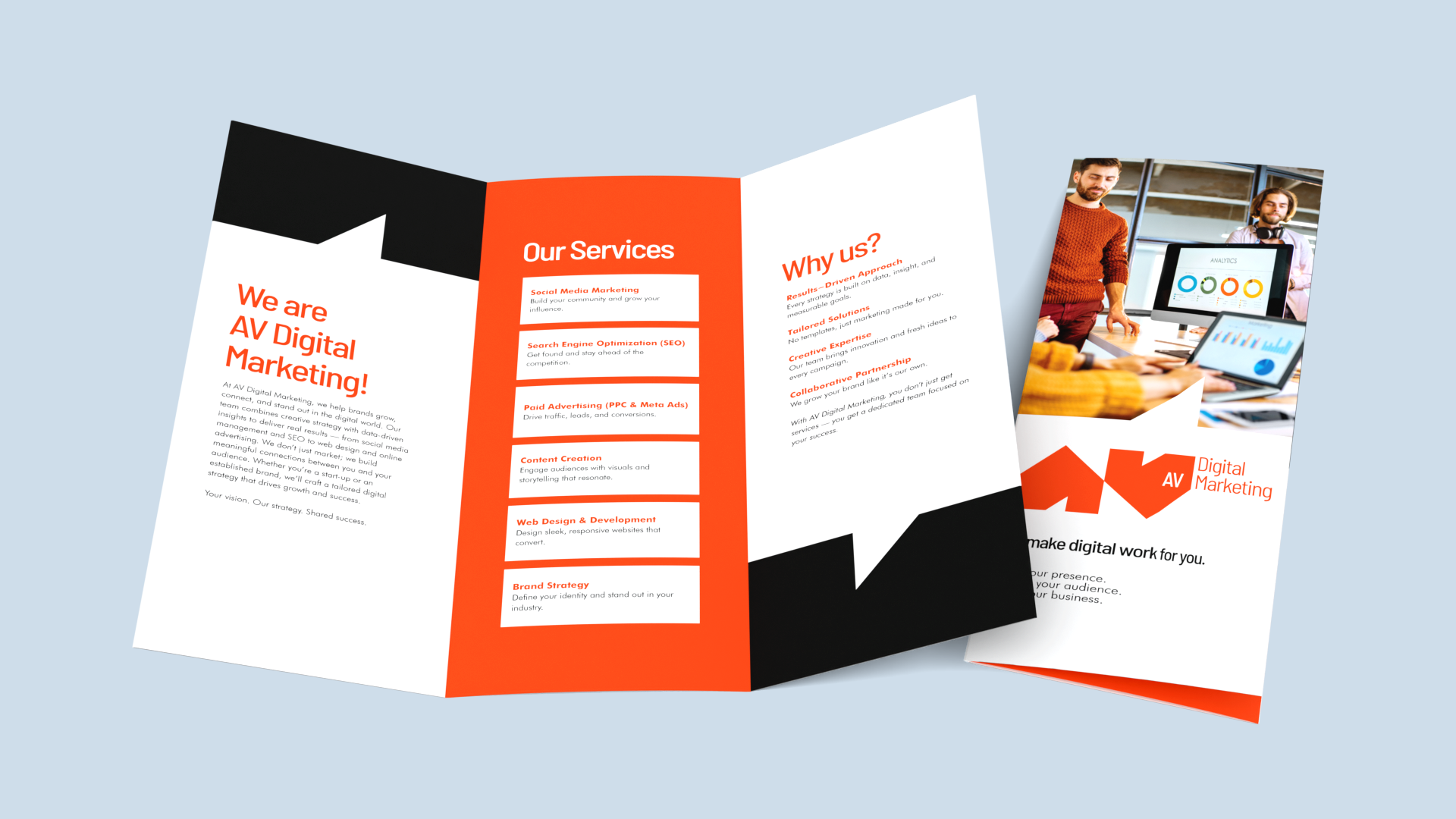
Credit: www.printplace.com
Benefits Of Trifold Brochures
Trifold brochures offer many benefits for businesses and organizations. They are simple yet effective tools to share information clearly. Their compact size makes them easy to carry and distribute. These brochures can hold a lot of content while staying organized.
Using trifold brochures helps present your message in a neat, professional way. They guide readers through your content in a logical order. This makes it easier for people to understand and remember your key points.
Cost-effective Marketing Tool
Trifold brochures are affordable to print in large quantities. This keeps marketing costs low. You can reach many people without spending much money. They fit well in mailers or handouts, saving extra shipping costs.
Easy To Design And Customize
Designing a trifold brochure is simple. Many templates are available online for quick setup. You can add your logo, colors, and images. This helps keep your brand consistent and attractive to readers.
Compact And Portable
The small size fits easily in pockets or bags. People can carry them without trouble. This increases the chance your brochure will be read later. It is perfect for events, stores, or meetings.
Organized Layout For Clear Communication
Trifold brochures split information into three sections. This creates a clear flow from one idea to the next. Readers can quickly find what interests them. It helps avoid overwhelming your audience with too much text.
Versatile Usage Across Industries
Many industries use trifold brochures. They work well for product details, event info, or service explanations. Nonprofits, schools, and businesses all benefit. The format adapts easily to different needs.
Key Design Elements
Designing a trifold brochure requires attention to several key elements. These elements guide the reader’s eye and make the message clear. The right design helps the brochure stand out and be memorable. Simple choices in color, typography, and images shape how people see your brochure. Each part must work together to create a strong visual impact.
Choosing The Right Colors
Colors set the mood of your brochure. Bright colors attract attention but can overwhelm if overused. Soft colors create a calm and professional look. Use colors that match your brand or message. Limit your palette to three or four colors. Contrast is important. It makes text easy to read and sections clear. Think about the feelings colors evoke. Blue feels trustworthy. Red feels urgent. Green feels natural.
Effective Typography
Typography is how your text looks. Choose fonts that are easy to read. Avoid fancy fonts for body text. Use one or two fonts only. Use bold or larger fonts for headlines. Keep font sizes consistent across sections. Proper spacing helps prevent clutter. Clear typography guides readers through the brochure smoothly. It makes your message easy to understand.
Using Images And Graphics
Images catch the eye and explain ideas quickly. Use high-quality photos related to your topic. Graphics like icons or charts can simplify complex information. Avoid overcrowding with too many images. Place images near the text they support. White space around images helps them stand out. Good visuals make your brochure more interesting and easier to remember.
Layout And Folding Techniques
The layout and folding techniques are key to a good trifold brochure. They shape how readers see and use the brochure. A clear layout helps guide the eyes smoothly. The folding style affects how the brochure opens and closes. Both factors impact the message and design.
Panel Organization
A trifold brochure has six panels on two sides. Each panel serves a special purpose. The front panel usually shows the title or main image. The inside panels hold details, benefits, or features. The back panel often contains contact info or a call to action.
Organize content so it flows naturally from one panel to the next. Use headlines and short text blocks for easy reading. Keep important info on the front and inside panels. Balance text with images for a clean look. Good panel organization makes the brochure easier to follow.
Folding Styles
The most common fold is the classic trifold. It folds the paper into three equal parts. The right panel folds first, then the left panel folds over it. This creates a neat, compact brochure.
Another style is the gate fold. Here, the two outer panels fold inward to meet in the middle. This style reveals a large center panel when opened. It adds surprise and interest.
Each folding style changes how people read and feel about the brochure. Choose the style that fits your message and design best. The fold should protect important content and keep the brochure easy to handle.
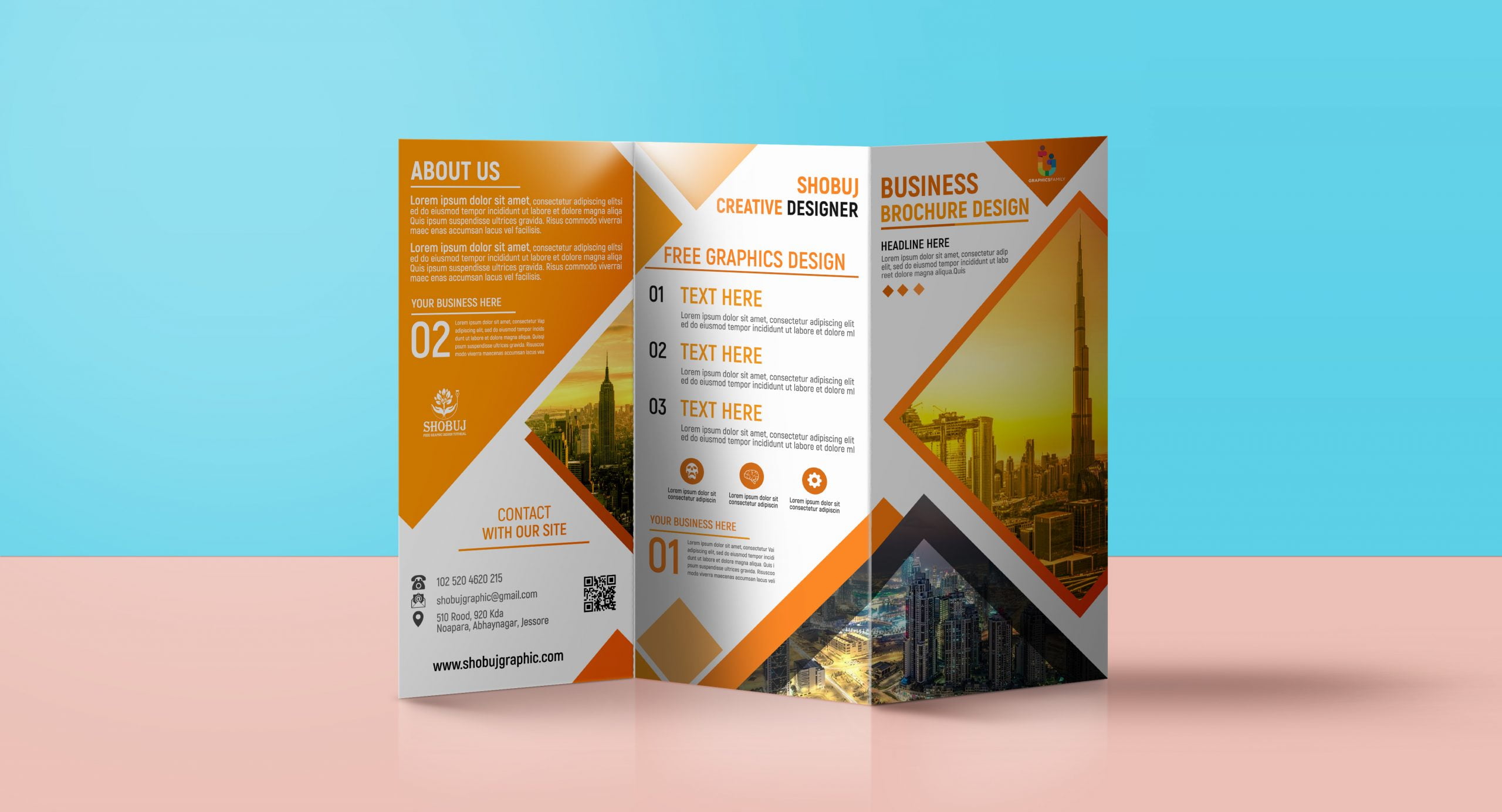
Credit: graphicsfamily.com
Content Tips For Engagement
Creating a trifold brochure that catches attention needs smart content. Clear and engaging text helps readers understand your message quickly. Use words that speak directly to your audience. Focus on what matters most to them. This keeps readers interested and makes your brochure effective.
Crafting Compelling Headlines
Headlines grab attention first. They should be short and strong. Use action words or questions to spark interest. A good headline tells readers what to expect. Make it relevant to your brochure’s main message. Avoid long or confusing phrases. Clear headlines guide readers to read more.
Concise And Clear Messaging
Keep your text simple and to the point. Use short sentences and familiar words. Each section should focus on one main idea. Avoid too much detail or jargon. Bullet points work well to list features or benefits. Clear messages help readers remember your key points.
Printing Materials And Options
Choosing the right printing materials and options shapes the look of a trifold brochure. It affects how the brochure feels in the hand and how the colors appear. Picking the best paper and ink helps your message stand out clearly. Printing materials also impact durability and the overall impression on readers.
Understanding different paper types and finishes is key. The right paper can make a big difference in quality and style. Ink choices also matter. They influence color brightness and how well images print. Both paper and ink work together to create a professional brochure.
Paper Types And Finishes
Glossy paper gives a shiny, polished look. It makes colors pop and images look sharp. Matte paper offers a smooth, non-reflective finish. It gives a soft and elegant feel. Silk or satin finishes fall between glossy and matte. They combine slight shine with smooth texture.
Thicker paper feels more premium and lasts longer. Standard brochure paper ranges from 80 to 200 gsm. Heavier stock adds weight and durability. Lighter stock costs less and suits short-term use.
Ink Choices
Standard CMYK inks create full-color prints. These inks mix cyan, magenta, yellow, and black. They produce bright and accurate colors. UV inks dry fast and resist fading over time. They work well for outdoor or long-lasting brochures.
Spot colors use specific ink formulas for exact shades. This option suits logos or brand colors. Eco-friendly inks reduce environmental impact. They use natural or vegetable-based materials. Ink choice affects vibrancy, durability, and cost.

Credit: www.freepik.com
Common Design Mistakes
Designing a trifold brochure needs careful attention. Small mistakes can make a big difference. Poor design can confuse readers and hide your message. Avoiding common errors helps your brochure look neat and clear.
Good design makes your brochure easy to read. It guides the reader through your content smoothly. Here are some common design mistakes to watch out for.
Improper Use Of Space
Cramped text and images make the brochure hard to read. Leave enough white space around text and pictures. This helps each section stand out. Crowded layouts feel overwhelming and push readers away.
Too Much Text
Long paragraphs bore readers quickly. Keep sentences short and simple. Use bullet points to break information into pieces. Readers prefer quick, clear facts over dense blocks of text.
Poor Font Choices
Fancy fonts can look nice but are hard to read. Choose clean, simple fonts for body text. Use bold or larger fonts only for headings. Consistent fonts make the brochure look professional.
Weak Color Contrast
Colors that blend make text hard to see. Use strong contrast between background and text. Dark text on light backgrounds works best. Good contrast improves readability and draws attention.
Ignoring Fold Lines
Important text or images should not fall on fold lines. Content split across folds looks messy. Plan your design to keep key info on flat panels. This keeps your message clear and easy to follow.
Preparing Files For Print
Preparing files for print is a key step in creating a trifold brochure. Proper preparation ensures your brochure looks sharp and professional. Files must meet specific technical standards. This avoids printing errors and delays. Understanding file formats, bleed, and margins helps deliver quality print results.
File Formats
Choose the right file format for print. PDF is the most common and widely accepted. It keeps fonts and images intact. TIFF and EPS files also work well for high-quality images. Avoid using low-resolution JPEGs or PNGs. These can cause blurry prints. Always save files in CMYK color mode. This matches the printer’s color system better than RGB.
Bleed And Margins
Bleed is extra space around your design. It prevents white edges after trimming. Usually, a 3mm bleed is standard for trifold brochures. Keep important text and images inside safe margins. A 5mm margin from the edge is a good rule. This avoids cutting off critical content. Mark your bleed and margin guides clearly in the file. It helps the printer cut your brochure correctly.
Frequently Asked Questions
What Is A Trifold Brochure Used For?
A trifold brochure is used to share information about products or services. It fits three panels on one sheet, making it easy to carry. Many businesses use it to promote offers or events.
How Do You Design An Effective Trifold Brochure?
Keep your design clear and simple with strong images and headings. Use short sentences and bullet points to highlight key info. Choose colors that match your brand for a professional look.
What Are The Standard Dimensions Of A Trifold Brochure?
A typical trifold brochure measures 8. 5 x 11 inches when unfolded. Each panel is about 3. 67 x 8. 5 inches. This size fits most printers and is easy to handle.
Can Trifold Brochures Be Printed At Home?
Yes, home printers can print trifold brochures using the correct paper. Use thick paper for better quality and fold carefully along the lines. Check your printer settings for double-sided printing.
How Much Does It Cost To Print A Trifold Brochure?
Printing costs vary by quantity and paper quality. Small batches at home cost less but may have lower quality. Professional printing offers better results but costs more.
What Content Should Go Inside A Trifold Brochure?
Include a clear headline, brief product or service details, and contact info. Use images or icons to make content attractive and easy to read. Keep text short and focused on benefits.
How To Fold A Trifold Brochure Properly?
Fold the right panel first, then fold the left panel over it. This creates three neat sections that open smoothly. Use a bone folder or ruler for sharp, clean folds.
Conclusion
Trifold brochures offer a clear and simple way to share information. They fit well in many settings, like events or stores. Using good design helps grab attention and keep readers interested. Clear text and images make the message easy to understand.
Brochures stay handy for people to read again later. Choose the right paper and colors to match your brand. A well-made trifold brochure can help your message reach more people. Small effort, big impact.
