
Are you curious about how the right products can change your daily life? Whether you’re shopping for something new or looking to improve what you already have, choosing the best products matters more than you think.
Thank you for reading this post, don't forget to subscribe!This article will help you understand what makes a product truly valuable and how to find options that fit your needs perfectly. Keep reading to discover tips and insights that will make your next purchase smarter and more satisfying. Your perfect product is closer than you imagine.
Credit: www.qualityassurancemag.com
Emerging Product Categories
New product categories appear as technology and lifestyle needs change. These categories offer fresh options for consumers and businesses. Understanding these trends helps buyers find useful and modern products. It also guides companies to create items that meet new demands.
Emerging product categories often focus on health, environment, and convenience. They reflect shifts in how people live and work. Some categories grow fast because they solve common problems or offer better experiences. Let’s explore some of the most notable emerging product categories today.
Smart Home Devices
Smart home devices make life easier and more connected. These include smart lights, thermostats, and security cameras. They can be controlled by phones or voice commands. Many people use these devices to save energy and increase safety. The market for smart home products grows every year.
Eco-friendly Products
Eco-friendly products help reduce harm to the planet. They include reusable items, biodegradable packaging, and sustainable clothing. Consumers choose these products to support a cleaner environment. Businesses also adopt eco-friendly options to meet customer demand. This category expands as more people care about nature.
Health And Wellness Tech
Health and wellness tech includes gadgets that track fitness and health data. Examples are smartwatches, fitness bands, and sleep monitors. These products encourage healthier habits and better self-care. Many users enjoy real-time feedback on their activities. This category blends technology with personal well-being.
Remote Work Tools
Remote work tools support people working from home or anywhere. They include ergonomic furniture, noise-canceling headphones, and collaboration software. These products improve comfort and productivity. The rise of remote work boosts demand for such tools. Companies invest in this category to enhance employee experience.
Personalized Products
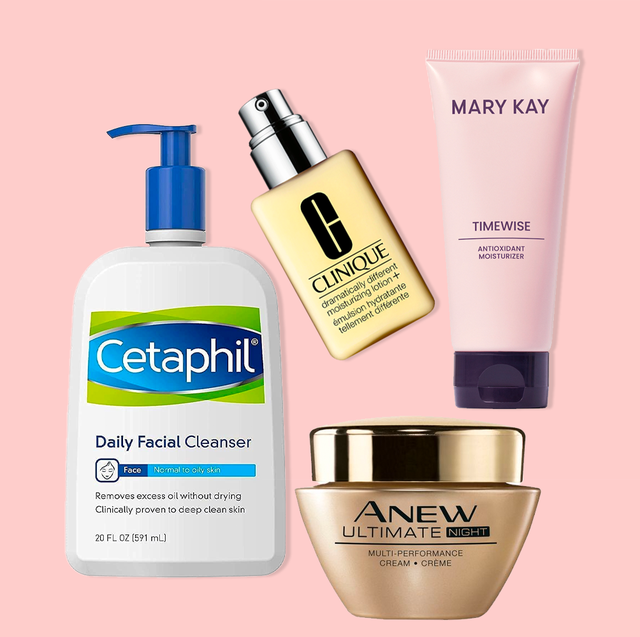
Personalized products offer customization to fit individual preferences. Examples are custom clothing, skincare, and accessories. These products feel special and unique to each buyer. Advances in technology make personalization easier and faster. This category appeals to those seeking distinct and tailored items.
Sustainability In Product Design
Sustainability in product design means creating items that help protect our planet. It focuses on reducing waste, saving energy, and using safe materials. Designers think about the entire life of a product. From making it to recycling it.
Choosing sustainable methods helps businesses and customers. It lowers the impact on nature and saves resources. Every small step in design can make a big difference. Products last longer and use less energy. This approach supports a cleaner, healthier world.
Sustainable Materials
Using materials that come from nature or can be reused is key. Designers pick wood, bamboo, or recycled plastic. These materials reduce pollution and waste. They also often need less energy to produce. This helps keep the environment safe.
Energy-efficient Production
Saving energy during manufacturing cuts down harmful emissions. Factories use cleaner machines and better processes. This reduces pollution and lowers costs. Energy-efficient production is better for the earth and business.
Design For Longevity
Products built to last reduce waste and need fewer resources. Strong materials and smart design help products stay useful longer. Fixing and upgrading become easier. This lowers the need for new products.
Recycling And Reuse
Designers plan how products can be recycled or reused. Easy-to-separate parts help recycle materials faster. Reusing parts saves energy and reduces trash. This closes the loop in product life cycles.
Personalization And Customization
Personalization and customization help products fit individual needs and tastes. They make products more useful and enjoyable for each user. People feel special using items designed just for them. This creates a stronger connection between the buyer and the product.
Companies offer choices in colors, sizes, and features. This allows customers to shape products that match their style. Simple tweaks can turn a common item into something unique. Personalization adds value beyond the basic function.
What Is Personalization?
Personalization means changing a product based on user data. It adapts to habits, preferences, or location. For example, a music app that suggests songs you like. It makes the product feel smart and helpful.
What Is Customization?
Customization lets the buyer change parts of the product. You pick colors, designs, or add text. Like choosing a phone case with your name. It gives control and creativity to the user.
Benefits Of Personalized Products
Personalized products improve satisfaction and loyalty. Users find them more useful and enjoyable. They often buy again or recommend to friends. Personalization builds trust and emotional bonds.
How Customization Enhances User Experience
Customization makes products feel unique and personal. It increases comfort and convenience. Users enjoy creating something that fits their needs. This leads to happier customers and fewer returns.
Smart Technology Integration
Smart technology integration is changing how products work. It makes devices connect easily and perform better. This helps users save time and effort.
Smart products can communicate with each other. This creates a smooth and efficient experience. Technology improves daily life with simple controls and automation.
What Is Smart Technology Integration?
Smart technology integration means linking devices using technology. These devices share information and work together. This connection allows better control and monitoring.
Benefits Of Smart Technology In Products
Smart products save energy by adjusting settings automatically. They improve safety by sending alerts for problems. Users enjoy more comfort with easy-to-use controls.
Examples Of Smart Technology In Everyday Products
Smart thermostats adjust temperature based on your habits. Smart lights change color and brightness via phone apps. Security cameras send alerts and record video remotely.
Omnichannel Sales Strategies
Omnichannel sales strategies bring all sales channels together. They create a smooth and unified shopping experience. Customers can buy products online, in stores, or via mobile apps without trouble.
This approach helps businesses meet customer needs faster. It builds trust and encourages people to return. A strong omnichannel plan blends technology and customer service well.
What Is Omnichannel Sales?
Omnichannel sales means using many sales paths at once. It includes websites, physical stores, social media, and mobile apps. Each channel works in sync. Customers switch between channels without losing information or offers.
Benefits Of Omnichannel Sales
Omnichannel sales improve customer satisfaction. Shoppers enjoy flexibility and ease. Businesses get better sales and customer loyalty. Data from all channels helps companies understand buyers better.
Key Elements Of Omnichannel Strategy
Clear communication across all channels is vital. Use consistent branding and messaging. Offer seamless payment and delivery options. Real-time inventory updates keep customers informed. Train staff to handle multichannel queries efficiently.
Tools To Support Omnichannel Sales
Use integrated software to connect sales platforms. Customer relationship management (CRM) systems track buyer behavior. Inventory management tools sync stock levels. Analytics tools provide insights for better decisions.
Challenges In Omnichannel Sales
Maintaining consistency across channels can be tough. Data management requires attention and accuracy. Staff training takes time and effort. Technology integration might need expert help. Overcoming these challenges leads to growth.
Credit: www.vcuhealth.org
Influencer And Social Media Impact
Social media and influencers shape how people see products today. They show products in real life, making them feel more real and trustworthy.
Influencers share their opinions and experiences with products. This helps followers decide if they want to buy them. The power of social media spreads these messages fast and wide.
Influencers Build Trust Quickly
People trust influencers because they seem like friends. They share honest thoughts, not just ads. This trust makes followers try products more often.
When an influencer likes a product, their followers notice. This trust beats traditional advertising in many cases.
Social Media Creates Product Buzz
Products get popular quickly through social shares and comments. A single post can reach thousands of people fast. This buzz helps new products enter the market easily.
People talk about products in comments and stories. This conversation boosts product awareness and interest.
Visual Content Shows Products Clearly
Photos and videos on social media show products in use. This helps people see how the product looks and works. Clear visuals make buying decisions easier.
Unboxing videos and reviews give a real view. People prefer seeing products before buying, and visuals help.
Engagement Drives Product Popularity
Likes, shares, and comments measure how much people like a product. High engagement means more people want to try it. Brands watch these numbers closely.
Engagement also helps products appear in social media feeds. This increases product visibility and sales chances.
Data-driven Product Development
Data-driven product development uses real information to build better products. Teams collect and study data to understand what users want. This method reduces guesswork and helps create products that fit market needs.
Using data helps spot problems early. It guides decisions about features, design, and improvements. Products become more useful and enjoyable for customers.
Collecting Relevant Data
Start by gathering data from users and market trends. Surveys, feedback, and usage stats provide clear insights. Focus on data that relates directly to product goals. Avoid too much or irrelevant information.
Analyzing User Behavior
Study how users interact with the product. Look for patterns in clicks, time spent, and drop-off points. This helps identify which features work and which need fixing. Understanding behavior guides better design choices.
Making Informed Decisions
Use data to choose which features to build or improve. Decisions based on facts reduce risks and save time. Teams can prioritize tasks that add real value to users.
Testing And Iterating
Test new ideas with small user groups. Collect data on their experience and feedback. Use this information to make changes and improve. Repeat this process to refine the product step-by-step.
Credit: www.goodhousekeeping.com
Frequently Asked Questions
What Types Of Products Are Commonly Available In Stores?
Products range from food and clothing to electronics and furniture. Each category serves different daily needs and preferences.
How Do I Choose The Best Product For My Needs?
Consider your budget, quality, and product features. Reading reviews can also help make a smart choice.
Why Do Product Prices Vary So Much?
Prices change due to brand, quality, and production costs. Sales and discounts also affect product prices.
What Should I Check Before Buying A Product Online?
Look at product descriptions, customer reviews, and seller ratings. Check return policies for a safe purchase.
How Can I Identify A High-quality Product Quickly?
Check materials used and product reviews. Look for warranties or guarantees as quality signs.
What Are The Benefits Of Buying Eco-friendly Products?
Eco-friendly products reduce harm to the environment. They are often made from natural or recycled materials.
How Often Should I Replace Common Household Products?
Replacement depends on product type and usage. Check manufacturer guidelines for best replacement times.
Conclusion
Choosing the right products matters for your needs and budget. Quality and price both play key roles in making smart choices. Think about what fits your lifestyle best. Good products make daily tasks easier and more enjoyable. Take time to compare options before deciding.
This helps you get the best value every time. Remember, simple choices can lead to big benefits. Keep your needs clear and stay patient. This way, you find products that truly work for you.
