
If you’ve ever bought clothes, small gadgets, or even snacks, you’ve likely come across polybags. But what exactly are polybags, and why are they everywhere?
Thank you for reading this post, don't forget to subscribe!Understanding polybags can help you choose the right packaging for your needs, protect your products better, and even save money. Keep reading to discover how polybags work, their benefits, and how they can make a difference for you—whether you’re a shopper or a business owner.

Credit: www.youtube.com
Benefits Of Polybags
Polybags are simple yet useful packaging solutions. They protect products and keep them clean. Many industries use polybags daily due to their benefits. These bags offer practical advantages that suit different needs.
Here are some key benefits of polybags that make them popular and effective.
Durability And Strength
Polybags are tough and resist tears. They hold products safely during transport. Strong material keeps items secure and intact. This reduces product damage and waste.
Cost-effective Packaging
Polybags are affordable compared to other packaging types. They reduce overall packaging expenses. Businesses save money by choosing polybags for packing.
Lightweight And Easy To Handle
Polybags weigh little and are easy to carry. They add minimal weight to shipments. This lowers shipping costs and effort needed for handling.
Water And Dust Resistance
Polybags protect items from water and dust. This keeps products clean and dry. Ideal for storage and transport in different conditions.
Customizable And Versatile
Polybags come in many sizes and styles. They can be printed with logos or labels. This helps with branding and product identification.
Types Of Eco-friendly Polybags
Eco-friendly polybags help reduce plastic waste and protect nature. Different types serve various needs while being kind to the environment. Understanding these types can guide better choices for packaging and daily use.
Each type breaks down differently and uses unique materials. Some polybags compost quickly, while others recycle existing plastics. Choose the right type for your purpose and eco goals.
Biodegradable Polybags
Biodegradable polybags break down naturally over time. Microorganisms like bacteria help them decompose. These bags leave no harmful residues behind. They reduce pollution in landfills and oceans. Ideal for single-use items and short-term packaging.
Compostable Polybags
Compostable polybags turn into nutrient-rich compost after use. They break down in composting conditions within months. These bags support soil health and plant growth. Made from plant-based materials like cornstarch or cellulose. Suitable for organic waste and eco-friendly packaging.
Recycled Material Polybags
Recycled polybags use plastics from old products. They lower the demand for new plastic production. These bags save energy and reduce waste. Often made from post-consumer or post-industrial plastic. Good for everyday use with a smaller environmental footprint.
Materials Used In Sustainable Polybags
Sustainable polybags use special materials to reduce harm to the environment. These materials break down faster or come from natural sources. They help lower plastic waste and pollution.
Many types of eco-friendly materials exist. Each one has its own benefits. Understanding these materials helps choose the best option for different uses.
Biodegradable Plastics
Biodegradable plastics dissolve naturally over time. They break down with the help of microbes. These plastics reduce long-lasting waste in landfills.
Common types include polylactic acid (PLA) and polybutylene adipate terephthalate (PBAT). Both come from plant materials. They look like regular plastics but degrade faster.
Compostable Polymers
Compostable polymers turn into safe compost in controlled environments. They enrich soil without leaving toxins behind. These materials meet strict composting standards.
They usually come from corn starch, sugarcane, or other plants. Compostable polybags fit well in zero-waste lifestyles and garden use.
Recycled Materials
Recycled polybags use plastic waste as raw material. This process lowers the need for new plastic production. It saves energy and reduces greenhouse gases.
Recycled polybags can be made from post-consumer or post-industrial plastics. They keep plastic in use longer and cut down pollution.
Plant-based Films
Plant-based films use natural fibers and resins. These films come from renewable crops like cellulose or starch. They reduce dependency on fossil fuels.
They are strong and flexible, suitable for packaging. These films often degrade faster in nature than traditional plastics.
Manufacturing Process Of Green Polybags
Green polybags are a popular choice for eco-friendly packaging. Their manufacturing process focuses on reducing harm to the environment. The process starts with selecting sustainable raw materials that break down naturally over time.
Each step in making green polybags aims to lower carbon footprint. Careful methods ensure the bags are strong, useful, and safe for nature.
Material Selection For Green Polybags
The first step is choosing the right materials. Biodegradable plastics or plant-based resins are common options. These materials decompose faster than regular plastics. Using them helps reduce plastic pollution significantly.
Extrusion And Film Formation
The selected materials melt and blend in an extruder machine. This forms a thin, flat film of plastic. The film cools down quickly to keep its shape. This step controls the thickness and strength of the bag.
Printing And Design Application
Next, the film moves to the printing stage. Eco-friendly inks are used for logos or designs. These inks do not release harmful chemicals. Clear, bright prints help brands stay visible and green.
Cutting And Sealing Process
The printed film is cut into bag shapes. Heat sealing machines close the edges tightly. This creates strong seams that hold items securely. Precise cutting ensures uniform bag sizes.
Quality Testing And Packaging
Finished bags undergo quality checks for durability and biodegradability. Testing confirms the bags meet environmental standards. Finally, bags are packed and sent to customers. This step ensures only top-quality green bags reach users.
Applications In Various Industries
Polybags are versatile packaging solutions used across many industries. Their lightweight and durable nature makes them ideal for protecting products. They help keep items clean, organized, and visible. Polybags come in various sizes and designs to fit different needs.
Retail And E-commerce
Retail stores use polybags to package small items like clothing and accessories. They keep products safe from dust and moisture. E-commerce companies rely on polybags for easy shipping and handling. These bags reduce packaging weight and cost. Clear polybags allow customers to see the product without opening the package.
Food Packaging
Polybags are common in food packaging for fresh and dry goods. They help preserve freshness and prevent contamination. Snacks, fruits, vegetables, and baked goods are often packed in polybags. Some polybags are designed to be airtight or resealable. This helps maintain food quality and extends shelf life.
Healthcare
Healthcare providers use polybags to store medical supplies and equipment. These bags ensure items stay sterile and protected from germs. They are also used for organizing small tools and medicines. Polybags in healthcare often meet strict safety and quality standards. Their transparency allows quick identification of contents.
Challenges And Limitations
Polybags are widely used for packaging and storage. They offer many benefits like being lightweight and cost-effective. Still, polybags face some challenges and limits that affect their use. Understanding these issues helps businesses choose the right packaging.
Durability And Strength Issues
Polybags can tear easily under heavy weight or sharp edges. Thin material may not protect fragile items well. Stress points cause rips during shipping or handling. This limits their use for certain products.
Environmental Concerns
Most polybags are made from plastic, which harms the environment. They take years to decompose in landfills. Recycling options are limited and often not available. Waste builds up, increasing pollution problems worldwide.
Limited Barrier Protection
Polybags do not always block moisture, air, or odors fully. This can spoil food or damage sensitive items. Special coatings or liners add cost and complexity. Basic polybags may not suit products needing strong protection.
Size And Design Restrictions
Polybags come in fixed sizes and shapes. Custom sizes may take longer to produce and cost more. Design options are limited compared to boxes or rigid packaging. This reduces branding and display possibilities.
Future Trends In Eco-friendly Packaging
Eco-friendly packaging is becoming more important every day. Businesses and consumers want to reduce waste and protect the planet. Polybags, often made from plastic, are changing to meet this demand. New materials and designs focus on being better for the environment. The future of eco-friendly packaging looks bright and full of innovation.
Biodegradable Polybags
Polybags made from biodegradable materials break down naturally. They turn into harmless substances in soil or water. This reduces pollution and landfill waste. Many companies now use plant-based plastics or starch blends. These bags still protect products but harm nature less.
Recycled Content In Polybags
Using recycled plastic to make polybags saves resources. It lowers the need for new plastic production. This reduces energy use and carbon emissions. Some polybags contain up to 100% recycled material. This trend helps create a circular economy for plastics.
Compostable Packaging Options
Compostable polybags can decompose in home or industrial compost bins. They leave no toxic residue behind. This type of packaging supports zero-waste lifestyles. Compostable bags often come with clear labels for easy sorting. This helps consumers dispose of them correctly.
Innovative Material Blends
New blends combine traditional plastic with eco-friendly additives. These additives speed up the degradation process. Some blends improve the strength and flexibility of polybags. Innovation in materials makes eco-friendly packaging more practical. This attracts more businesses to switch to greener options.
Smart Packaging With Eco Benefits
Smart polybags include features like QR codes or sensors. These help track the product’s journey and recycling instructions. They promote better waste management and recycling habits. Smart packaging supports transparency and sustainability goals. This technology helps reduce the environmental impact of packaging waste.
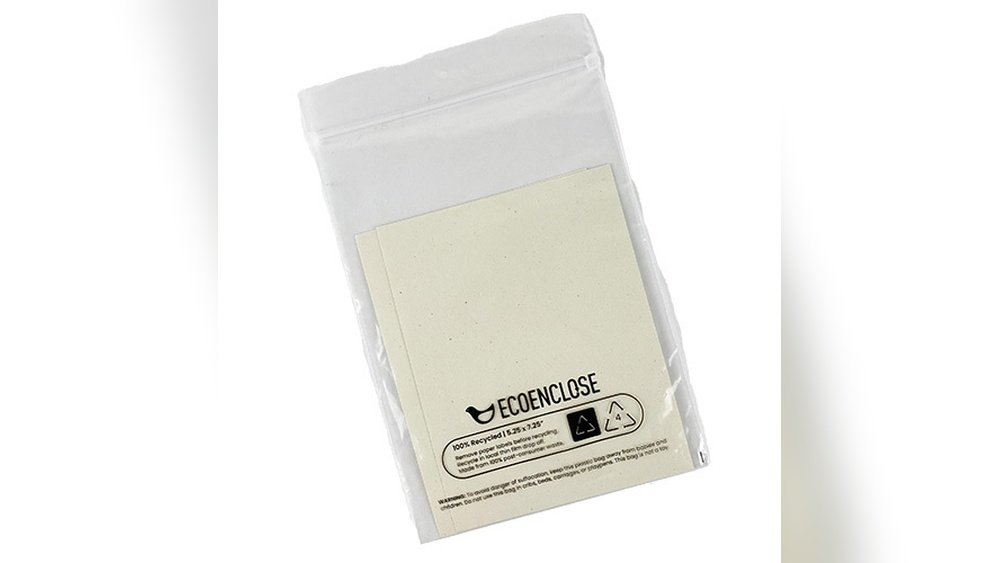
Credit: www.ecoenclose.com

Credit: trellis.net
Frequently Asked Questions
What Is A Polybag Used For?
A polybag is a thin plastic bag used to store or protect items. It keeps products clean and safe during transport or storage.
How Are Polybags Made?
Polybags are made by melting plastic pellets and shaping them into thin sheets. These sheets are then cut and sealed to form bags.
What Materials Are Polybags Made From?
Polybags are mostly made from polyethylene, a common plastic type. It can be low-density (LDPE) or high-density (HDPE).
Are Polybags Recyclable?
Many polybags are recyclable if clean and sorted properly. Check local recycling rules to see if they accept plastic bags.
Can Polybags Be Reused?
Yes, polybags can be reused for storage or packaging. Reusing helps reduce plastic waste and saves money.
What Sizes Do Polybags Come In?
Polybags come in many sizes, from small pouches to large bags. The size depends on the product’s needs.
Are Polybags Safe For Food Storage?
Food-grade polybags are safe to store food items. They prevent moisture and dirt from reaching the food.
Conclusion
Polybags offer simple and effective packaging solutions. They protect items from dust, dirt, and moisture. Their lightweight design saves shipping costs and storage space. Many businesses use polybags for easy handling and display. Choosing the right size and material improves product safety.
Recycling options help reduce environmental impact. Small or large, polybags fit various needs. They remain a popular choice worldwide. Consider polybags for your packaging needs today. Clear, durable, and affordable packaging matters.
