
Are you tired of struggling to keep your items safe and organized during shipping or storage? Packing sleeves might be the simple solution you’ve been looking for.
Thank you for reading this post, don't forget to subscribe!These handy tools protect your products from damage, dust, and moisture while making your packing process faster and easier. Whether you’re running a business or just want to keep your belongings in perfect condition, understanding how packing sleeves work can save you time, money, and stress.
Keep reading to discover how packing sleeves can transform the way you pack and protect your items every time.

Credit: www.uprinting.com
Benefits Of Packing Sleeves
Packing sleeves offer many benefits for organizing and protecting items. They save space and keep things tidy. These sleeves fit snugly around objects, stopping them from moving or getting damaged. Using packing sleeves makes packing faster and more efficient.
The material of packing sleeves is often strong and durable. This protects items from dust, dirt, and scratches. Packing sleeves also help separate fragile items from heavier ones. They are useful for travel, storage, and shipping.
Protection From Damage
Packing sleeves shield items from bumps and scratches. They add a soft layer around objects. This prevents damage during transport or storage. The sleeves reduce the chance of breakage or dents.
Space Saving Design
Packing sleeves fit tightly around items. This reduces wasted space inside bags or boxes. They help pack more in less room. Saving space means carrying fewer bags or boxes.
Easy Organization
Packing sleeves group similar items together. This makes finding things faster and easier. They keep items separate and neat. Organization reduces stress and saves time.
Reusable And Eco-friendly
Many packing sleeves can be used many times. This cuts down on waste. Reusable sleeves are better for the environment. They last longer than single-use bags or wraps.
Cost-effective Solution
Packing sleeves are affordable and last long. They protect items without extra costs for repairs. Using sleeves saves money over time. They offer good value for packing needs.

Credit: www.goldimageprinting.com
Types Of Packing Sleeves
Packing sleeves come in different types to meet various needs. Choosing the right type improves protection and ease of use. Understanding these types helps pick the best sleeve for your items.
The main differences lie in materials, sizes, and shapes. Each type offers unique benefits for specific packaging tasks.
Material Varieties
Packing sleeves use many materials. Plastic is common for water resistance and flexibility. Paper sleeves offer eco-friendly options and easy recycling. Foam sleeves provide soft cushioning for fragile items. Cardboard sleeves add strong protection and stack well. Some sleeves combine materials for extra strength and durability.
Sizes And Shapes
Sleeves come in many sizes to fit small to large products. Narrow sleeves wrap around pens or small tools. Wide sleeves cover bigger items like books or boxes. Shapes vary too, with flat sleeves for simple wrapping. Tubular sleeves protect round objects like bottles or tubes. Custom shapes fit unique product designs perfectly.
Choosing The Right Sleeve
Choosing the right packing sleeve is key to protecting your items during storage or transport. Sleeves come in different materials, sizes, and strengths. Picking the right one helps keep your things safe and undamaged. Consider the type of item and how strong the sleeve needs to be.
Based On Item Type
Different items need different sleeves. For books or papers, thin plastic sleeves work well. They keep pages clean and dry. For fragile items like glass or ceramics, use padded sleeves. These offer extra cushioning to prevent breaks. Clothes need breathable fabric sleeves to avoid moisture buildup. Always match the sleeve to the item’s size and shape for the best fit.
Durability Factors
Durability depends on material and thickness. Plastic sleeves vary from light to heavy duty. Thicker plastic lasts longer and resists tears. Fabric sleeves with reinforced seams offer more strength. Consider the environment too. Waterproof sleeves protect against rain or spills. Heat-resistant sleeves help with high-temperature items. Choose sleeves that match your storage or shipping needs.
Packing Sleeves For Travel
Packing sleeves make travel packing easier and more organized. They help keep clothes and items neat. Travelers can sort belongings by type or use. These sleeves come in different sizes and materials. They fit well inside suitcases and backpacks. Using packing sleeves reduces mess and saves time. Clothes stay wrinkle-free and clean during trips.
Maximizing Space
Packing sleeves compress clothes tightly. This saves valuable suitcase space for other items. Travelers fit more into smaller bags. Sleeves stop clothes from shifting during travel. Rolling or folding clothes inside sleeves works well. Sleeves keep clothes flat and compact. The result is less bulk and more space.
Protecting Fragile Items
Packing sleeves offer extra protection for delicate items. Items like glasses, chargers, or jewelry stay safe. Sleeves provide a soft barrier against bumps. They reduce the risk of scratches or breaks. Using sleeves for fragile goods keeps them secure. This prevents damage and stress while traveling.
Organizing With Packing Sleeves
Packing sleeves help keep your items neat and easy to find. They save space and protect your belongings. Organizing with packing sleeves makes travel or storage simple and stress-free.
You can group things by type, size, or use. This way, everything stays in order and ready to grab. Let’s explore some ways to organize using packing sleeves.
Sorting By Category
Start by dividing your items into clear groups. Clothes, electronics, toiletries, and documents each get their own sleeve. Sorting like this helps avoid mess and confusion. It also makes packing faster and unpacking easier.
Use different sized sleeves for different categories. Small sleeves fit chargers and cables. Larger sleeves hold shirts or pants. This keeps items from mixing and wrinkling.
Labeling Tips
Labels help you find what you need quickly. Use simple words or icons to mark each sleeve. Write on a sticky note or use a label maker.
Place labels where they are easy to see. On the top edge or front side works best. Change labels if you reuse sleeves for different trips.
Clear labels reduce searching time. You spend less time digging and more time enjoying your trip or day.
Maintenance And Care
Packing sleeves need care to last longer and work well. Dirt, dust, and spills can harm their material and shape. Proper maintenance keeps sleeves clean and strong for many trips. Small efforts make a big difference in their life span.
Cleaning Methods
Use a soft cloth to wipe the surface after each use. For stains, use mild soap mixed with water. Gently scrub the sleeve with a soft brush or cloth. Avoid harsh chemicals that can damage the fabric. Let the sleeve air dry completely before storing it. Never use a dryer or direct sunlight to dry sleeves.
Storage Tips
Store packing sleeves in a cool, dry place away from sunlight. Keep them flat or rolled to avoid creases or damage. Avoid placing heavy objects on top of sleeves. Use a clean bag or box to protect sleeves from dust. Check sleeves regularly and clean them if needed. Proper storage helps keep sleeves in good shape for next use.
Eco-friendly Packing Sleeve Options
Packing sleeves protect items during shipping and storage. Choosing eco-friendly options helps reduce waste and pollution. These sleeves use materials that break down faster or come from renewable sources. They keep products safe while caring for the environment.
Using green packing sleeves supports a cleaner planet. Many businesses switch to these options to lower their carbon footprint. They also appeal to customers who value sustainability. Eco-friendly sleeves come in many types to fit different needs.
Biodegradable Packing Sleeves
Biodegradable sleeves break down naturally in soil or water. They do not leave harmful residues. These sleeves often use plant-based materials like cornstarch or cellulose. They provide good protection and decompose within months. Perfect for companies wanting quick environmental benefits.
Recycled Paper Packing Sleeves
Recycled paper sleeves use paper fibers from old products. This saves trees and reduces landfill waste. They are lightweight and easy to recycle again. Paper sleeves suit light to medium weight products. They offer a natural look that many customers like.
Compostable Plastic Packing Sleeves
Compostable plastic sleeves dissolve in composting conditions. Made from plant materials such as PLA or PHA. They act like regular plastic but are eco-friendly. These sleeves help avoid plastic pollution in oceans and landfills. Ideal for businesses wanting plastic alternatives without losing durability.
Corrugated Cardboard Sleeves
Corrugated cardboard sleeves are strong and recyclable. They protect heavy or fragile items well. Cardboard is easy to source and recycle worldwide. These sleeves are often made from recycled content. Good choice for brands aiming for sturdy, green packaging.
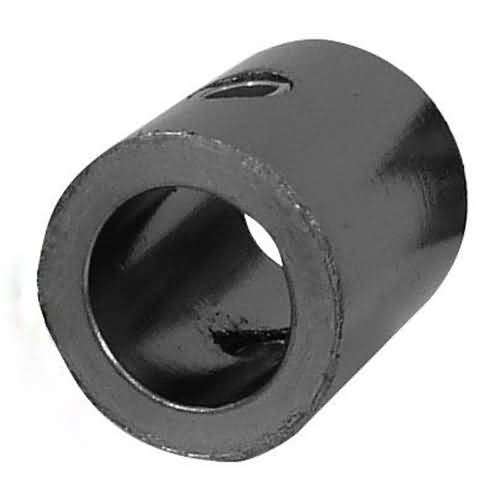
Credit: www.gage-glass.com
Frequently Asked Questions
What Are Packing Sleeves Used For In Packaging?
Packing sleeves protect products by sealing gaps in pumps and valves. They help prevent leaks and improve sealing performance. These sleeves are key in many industrial applications.
How Do Packing Sleeves Improve Pump Efficiency?
Packing sleeves reduce friction between moving parts, helping pumps run smoother. This lowers energy use and wear on equipment. It keeps machines working longer and better.
What Materials Are Packing Sleeves Made From?
Common materials include PTFE, graphite, and rubber. Each material suits different temperatures and chemical exposures. Choosing the right one ensures durability and safety.
Can Packing Sleeves Prevent Leaks In Valves?
Yes, they seal gaps in valve stems and prevent fluid leaks. Properly installed sleeves maintain pressure and avoid contamination. This keeps systems safe and efficient.
How Often Should Packing Sleeves Be Replaced?
Replacement depends on usage and wear but usually every few months to a year. Signs include leaks, increased friction, or visible damage. Regular checks help avoid bigger problems.
Are Packing Sleeves Easy To Install?
Most packing sleeves are designed for quick and simple installation. Proper fitting is important for good sealing and performance. Installation guides or professionals can help ensure correct setup.
Do Packing Sleeves Work In High-temperature Environments?
Certain packing sleeve materials withstand high heat without losing strength. Materials like graphite and PTFE are good for hot conditions. Selecting the right type ensures safe operation.
Conclusion
Packing sleeves help keep items safe and organized during travel. They come in different sizes and materials for various needs. Choosing the right sleeve makes packing easier and saves space. Use sleeves to protect clothes, gadgets, and important documents. This simple tool makes trips less stressful and more efficient.
Try packing sleeves to enjoy a neat and smooth travel experience. Small change, big difference.
