
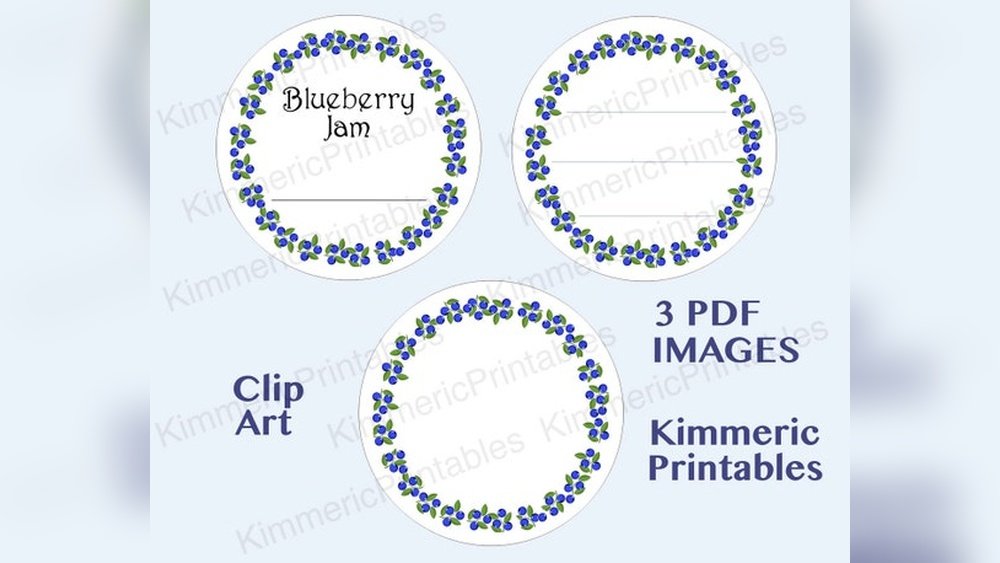
Are you looking for the perfect way to make your homemade jams stand out? Jamlabels PDF can be your secret weapon.
Thank you for reading this post, don't forget to subscribe!Imagine having beautifully designed, easy-to-print labels that add a professional touch to every jar you create. Whether you sell your jams or gift them to friends and family, the right label can make all the difference. You’ll discover how Jamlabels PDF can simplify your labeling process and help your jars catch every eye on the shelf or at the table.
Keep reading to unlock tips and ideas that will transform your jam presentation instantly.
Choosing Label Materials
Choosing the right material for jam labels affects the look and feel of your product. Labels must stick well and show information clearly. The type of material changes how labels hold up over time. Some materials suit homemade jams better. Others fit commercial jars.
Consider the environment where jars will stay. Moisture, heat, and handling affect label durability. Pick materials that match your jam style and storage needs. Good labels make jars attractive and help customers trust your brand.
Paper Types For Jam Labels
Paper labels are common for jam jars. They offer a natural and simple look. Matte paper gives a soft finish. Glossy paper shines and catches attention. Textured paper adds a handmade feel. Paper labels are easy to print on. They work well for short-term use. Keep in mind, paper can tear or fade if wet.
Waterproof And Durable Options
Waterproof labels protect against spills and moisture. Vinyl and polyester are popular choices. These materials resist water and oil. They stay bright and intact for a long time. Waterproof labels suit jams stored in cool or humid places. They handle fridge or pantry conditions well. Durable labels also resist scratches and fading. Choose these for a polished, lasting look.
Design Tips For Jam Labels
Designing jam labels requires care and creativity. A good label catches the eye and tells a story. It helps customers know what is inside the jar. Simple, clear, and attractive designs work best. Follow these tips to create labels that stand out and look professional.
Color Schemes And Fonts
Choose colors that match the jam flavor. Bright colors like red or orange suit strawberry or peach jam. Soft pastels work well for mild flavors like apple or pear. Use two or three colors to keep the design clean. Pick easy-to-read fonts. Avoid fancy or small fonts. Bold fonts help important words, like the jam name, pop out.
Incorporating Branding Elements
Add your logo to every label. It builds trust and makes your product easy to recognize. Use a consistent style for all your jam jars. Include simple shapes or icons related to fruits. Keep the label layout similar across different flavors. This shows professionalism and helps customers remember your brand.
Printing Methods Explained
Understanding printing methods helps you choose the best option for Jamlabels Pfd. Each method offers different quality, cost, and speed. Knowing the differences makes your project easier and better.
Let’s explore how home printers and professional printing work. Then, we compare digital and offset printing. This helps you make smart printing choices.
Home Printer Vs Professional Printing
Home printers are easy to use and fast for small jobs. They work well for simple labels or drafts. The quality is good but not perfect for lots of labels.
Professional printing offers higher quality and consistency. It uses special machines that print many labels at once. The colors are sharper, and the labels last longer.
Home printing saves money for small amounts. Professional printing costs more but fits big orders and detailed designs.
Digital Vs Offset Printing
Digital printing sends the image directly to the printer. It is quick and good for small runs or changing designs. Colors are bright, but costs per label can be higher.
Offset printing uses plates to transfer ink to paper. It works best for large orders and simple designs. The cost per label is lower for big batches. The quality is smooth and consistent.
Digital suits fast, flexible projects. Offset fits high volume and steady designs.
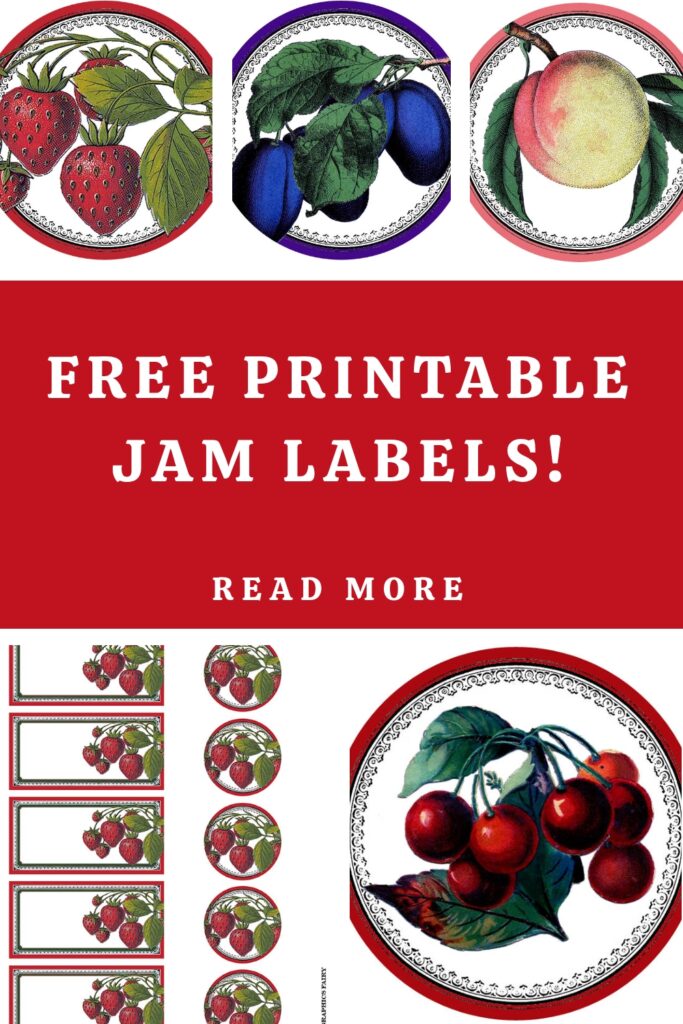
Credit: thegraphicsfairy.com
Preparing Files For Printing
Preparing files for printing is a key step in creating Jamlabels PDF. It ensures your labels come out clear and perfect. Small mistakes can cause blurry images or parts getting cut off. Taking care of file details helps avoid these problems.
Understanding the technical needs makes the printing process smooth. This section explains the main points to check before sending files to print. Follow these tips to get the best results for your Jamlabels.
File Formats And Resolution
Use the right file format to keep quality high. PDF is the best choice for printing labels. It keeps text sharp and colors true. Save images in formats like PNG or TIFF for clear results.
Resolution matters a lot. Set your images to 300 dpi (dots per inch). Lower resolution makes pictures look fuzzy or pixelated. High resolution ensures crisp and clean prints.
Bleed And Margins Setup
Bleed is extra space around your label design. It prevents white edges after cutting. Add at least 3mm of bleed on all sides. Keep important text and logos inside safe margins.
Margins create a buffer zone. They stop text from being too close to edges. Usually, leave 5mm inside the cut line. This keeps your design neat and readable on Jamlabels.
Cutting And Finishing Techniques
Cutting and finishing techniques shape the final look of Jamlabels Pfd. These steps improve label quality and help labels stand out. Proper cutting and finishing ensure labels fit perfectly and last longer.
Die-cutting Options
Die-cutting creates custom shapes for Jamlabels Pfd. It uses sharp metal dies to cut precise edges. This method allows labels to have unique forms like circles, ovals, or special designs. Die-cutting helps labels fit products perfectly. It also adds a professional touch to packaging.
Lamination And Coating
Lamination adds a thin plastic layer over labels for protection. It prevents scratches and water damage. Coating uses a liquid layer to give labels a smooth or shiny finish. Both processes improve durability and look. They make Jamlabels Pfd strong and eye-catching on shelves.
Common Label Printing Mistakes
Printing labels can be tricky. Mistakes happen often and cause problems. These errors affect the look and quality of your labels. They can make your product appear unprofessional. Avoiding common mistakes saves time and money. Here are two frequent errors to watch for during label printing.
Color Inconsistencies
Colors on labels must match the design exactly. Different printers or settings cause color shifts. This makes your labels look different from your brand colors. Poor color control lowers brand trust and confuses customers. Check printer settings and use color profiles for accuracy. Test prints help catch color issues early. Consistent color keeps your labels clear and attractive.
Misaligned Prints
Labels must print in the right place on the material. Misalignment causes text and images to cut off or shift. This looks messy and unprofessional. It wastes label stock and printing materials. Use guides and proper setup to avoid shifts. Regular checks during printing catch misalignment fast. Precise alignment ensures every label looks perfect and neat.
Tips For Label Longevity
Jamlabels Pfd labels last longer with the right care. Proper handling keeps labels clear and neat. Follow simple tips to make your labels stay strong and readable.
Good storage and correct application help labels resist wear. These steps prevent fading, peeling, and damage over time.
Storage Conditions
Store labels in a cool, dry place. Avoid spots with direct sunlight or heat. High temperatures can cause labels to warp or lose stickiness. Keep labels away from moisture to stop them from curling or peeling. Use sealed containers to protect from dust and dirt. Proper storage keeps labels fresh and ready for use.
Application Best Practices
Clean the surface before applying labels. Dirt and oil stop labels from sticking well. Dry the surface completely to avoid bubbles. Apply labels slowly, pressing firmly from the center outwards. Avoid stretching or folding labels during application. Smooth labels stay stuck and look better longer.
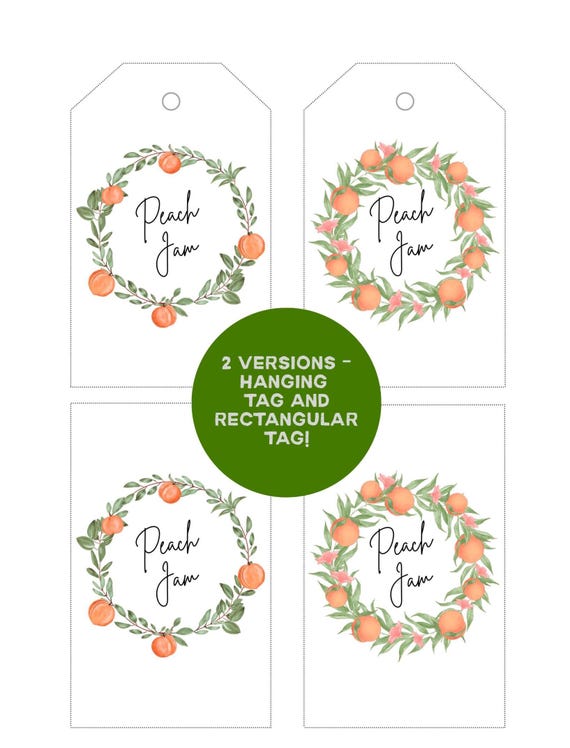
Credit: www.etsy.com
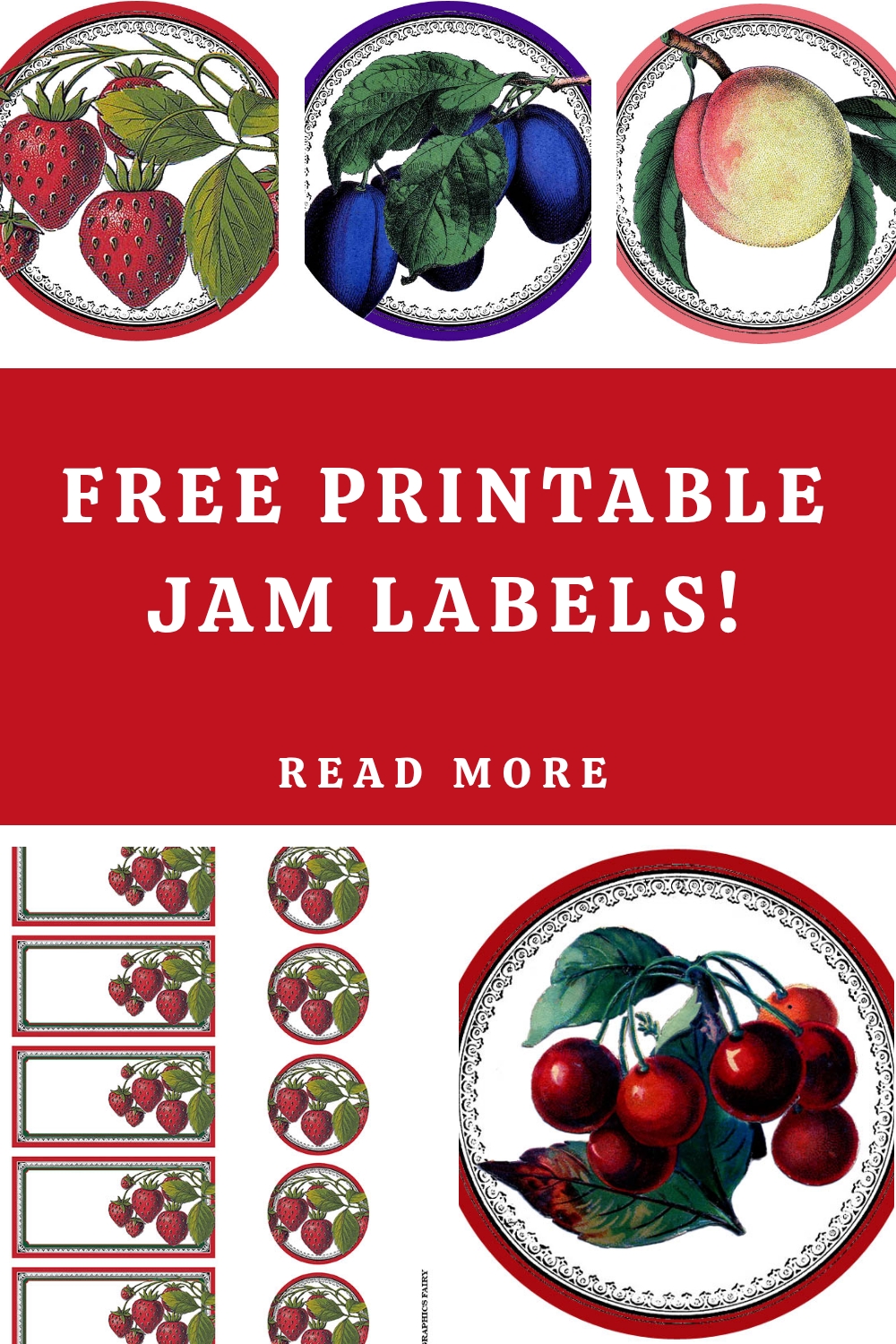
Credit: thegraphicsfairy.com
Frequently Asked Questions
What Is Jamlabels Pfd Used For?
Jamlabels Pfd is a tool for creating and printing jar labels. It helps organize homemade jams and preserves easily.
How Do I Customize Jamlabels Pfd Templates?
You can edit text, colors, and images in Jamlabels Pfd templates. This makes each label unique and personal.
Can Jamlabels Pfd Print Labels At Home?
Yes, Jamlabels Pfd supports home printing on regular paper or sticker sheets. It saves time and costs.
Is Jamlabels Pfd Easy For Beginners To Use?
Jamlabels Pfd has a simple design and clear instructions. Beginners can create labels without much experience.
What File Formats Does Jamlabels Pfd Support?
Jamlabels Pfd usually works with PDF files for high-quality printing. It may also support JPG and PNG formats.
Can I Add My Own Images To Jamlabels Pfd?
Yes, you can upload your images or logos to customize labels. This makes your jars look special and branded.
Where Can I Find Free Jamlabels Pfd Templates?
Free templates are available on the official website and design communities. They help you start labeling quickly.
Conclusion
Jamlabels Pfd offers a simple way to organize your jams. It helps keep your kitchen neat and your jars easy to find. Clear labels make homemade jams look more appealing. You can customize each label to match your style. This small step saves time and reduces confusion.
Anyone who loves making jams will find these labels useful. Give your jars a clean, fresh look with Jamlabels Pfd today. Simple, effective, and easy to use.
