
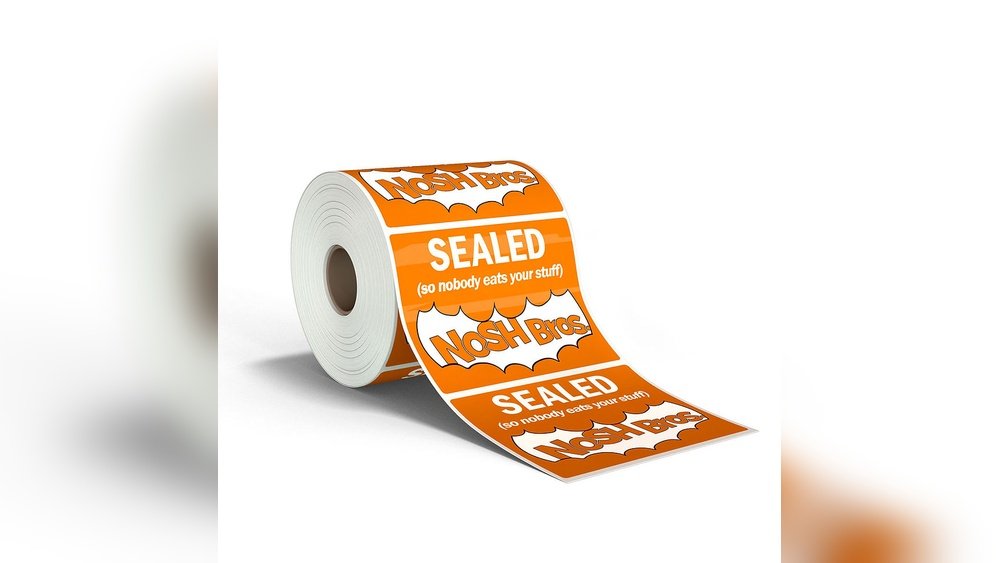
Are you confident that your food products stand out and meet all safety standards? Foodservicelabels play a crucial role in making sure your customers trust what they’re buying.
Thank you for reading this post, don't forget to subscribe!These labels do more than just show ingredients—they tell a story about quality, freshness, and care. If you want to protect your brand and keep your customers coming back, understanding foodservicelabels is a must. Keep reading to discover how the right labels can boost your business and simplify your operations.
Importance Of Foodservice Labels
Foodservice labels play a key role in kitchens and food businesses. They help keep food safe and organized. Clear labels reduce errors and confusion during busy hours. Proper labeling supports health rules and customer trust.
Labels provide important details about the food. They make it easier to track ingredients and expiration dates. This helps avoid food waste and health risks. Staff can work faster and smarter with the right labels.
Food Safety And Compliance
Foodservice labels show important safety information. They list allergens and storage instructions. This helps prevent allergic reactions and foodborne illnesses. Labels also help businesses follow health laws and inspections.
Inventory Management
Labels make it easy to track stock. They identify food types and expiry dates quickly. This reduces waste and saves money. Staff can reorder items on time with clear labels.
Improved Kitchen Efficiency
Labels speed up food preparation. Staff find ingredients and dishes without delays. This keeps the kitchen organized and clean. It also reduces mistakes in orders and recipes.
Customer Confidence
Customers trust food that is well labeled. They see clear ingredient lists and freshness dates. This builds a good reputation for foodservice businesses. Clear labels show care and professionalism.
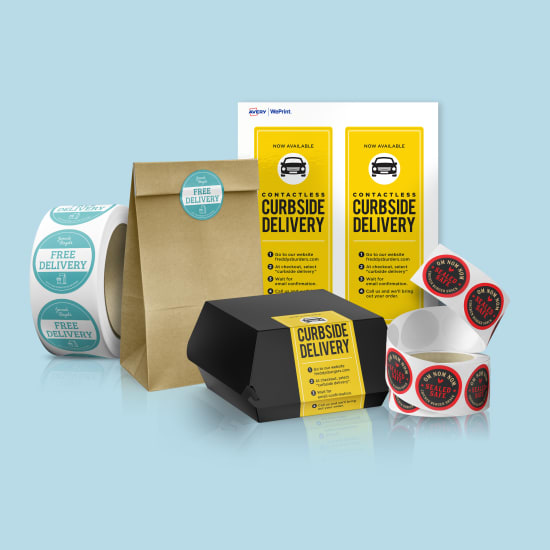
Credit: www.avery.com
Types Of Foodservice Labels
Foodservice labels help kitchens and restaurants manage food safely and efficiently. Each label type serves a special purpose. They provide clear information about the food. This helps staff prepare and serve meals correctly.
Labels also protect customers by sharing important details. Understanding different foodservice labels is key to safe food handling. Below are the main types used in foodservice settings.
Ingredient Labels
Ingredient labels list all parts of a food product. They show what is inside the package. This helps staff know exactly what they use. It also helps customers with dietary restrictions.
These labels are useful for avoiding unwanted ingredients. They ensure transparency about the food content. Ingredient labels often include additives and preservatives.
Nutritional Labels
Nutritional labels provide details about the food’s nutrients. They show calories, fats, proteins, and carbohydrates. This information supports healthy choices in foodservice.
Staff can guide customers based on nutritional needs. Nutritional labels help control portion sizes and meal planning. They also support compliance with food regulations.
Allergen Labels
Allergen labels warn about common food allergens. They list ingredients like peanuts, dairy, or gluten. This helps prevent allergic reactions in customers.
Clear allergen labeling is vital in busy kitchens. It protects sensitive customers and avoids mistakes. These labels increase food safety and trust.
Expiration Date Labels
Expiration date labels show when food must be used or discarded. They help staff track freshness and avoid waste. These labels reduce the risk of serving spoiled food.
Using expiration labels keeps kitchens organized and safe. They guide proper stock rotation and storage. Expiration labels are a key part of food quality control.
Labeling Regulations And Standards
Foodservice labels must follow specific rules to keep customers safe and informed. These rules help businesses provide clear and accurate information about their products. Labels include details like ingredients, allergens, nutrition facts, and expiration dates. Following labeling regulations builds trust and avoids legal problems.
Fda Requirements
The Food and Drug Administration (FDA) sets federal rules for food labels. These rules apply to most packaged foods in the United States. Labels must list ingredients in order of weight. Allergens like peanuts, milk, and eggs must be clearly shown. Nutrition facts must follow a standard format. This helps customers understand what they eat. The FDA also requires the product name and the manufacturer’s contact information on the label.
Local And State Guidelines
States and local governments may add extra rules for food labels. These rules can differ depending on the area. Some require labels in multiple languages. Others have specific rules for restaurants and food trucks. Local laws may demand clear labeling of food additives or preservatives. Businesses must check local guidelines to ensure compliance. This helps avoid fines and keeps customers well informed.

Credit: bollin.com
Designing Effective Foodservice Labels
Foodservice labels play a key role in kitchens and food businesses. They provide important details about food items quickly. Good labels help staff work faster and keep food safe. Clear design improves communication and reduces mistakes.
Creating effective labels needs focus on simplicity and clarity. The right elements make information easy to read and understand. This section covers three key points for designing useful foodservice labels.
Clear And Concise Information
Keep label text short and to the point. Use simple words that everyone knows. Include only necessary details like product name, date, and storage instructions. Avoid long sentences or extra information. Clear labels help staff find facts fast and avoid confusion.
Readable Fonts And Colors
Choose fonts that are easy to read at a glance. Avoid fancy or script fonts that slow reading. Use large font sizes for important details. Pick colors with strong contrast between text and background. High contrast makes labels visible in busy kitchens or low light.
Use Of Icons And Symbols
Icons add visual cues that speed up understanding. Use simple symbols for allergens, temperature, or expiry. Pictures are easier to notice than words alone. Consistent icons help staff recognize information quickly. They reduce language barriers and improve safety.
Technology In Foodservice Labeling
Technology plays a big role in foodservice labeling today. It helps businesses track products and keep customers informed. Labels are no longer just paper tags. They now include smart features that store and share data quickly.
With technology, foodservice labels become tools for safety, speed, and accuracy. They help reduce errors and improve the customer experience. Let’s explore key technologies used in foodservice labeling.
Barcode And Qr Code Integration
Barcodes and QR codes make food labeling fast and simple. Scanning codes gives instant access to product details. This helps staff check freshness, ingredients, and origin quickly.
QR codes connect customers to nutrition facts, cooking tips, or allergy info. Barcodes speed up inventory management and checkout. Both codes reduce mistakes and save time.
Digital Labeling Systems
Digital labeling systems create labels on demand with a click. They use software to print clear, accurate labels fast. This reduces waste from pre-printed labels.
These systems can update labels instantly to reflect new info. Temperature, expiration dates, and batch numbers stay current. Digital labels help meet safety rules and improve product tracking.
Impact On Efficiency And Safety
Foodservice labels play a key role in improving both efficiency and safety in kitchens. They help staff work faster and reduce mistakes. Clear labels keep food fresh and safe to eat.
Proper labeling supports smooth kitchen operations. It helps workers know what food is inside containers and when it expires. This simple tool saves time and prevents health risks.
Reducing Food Waste
Labels show the date food was prepared or opened. This helps staff use older items first. Food does not sit unused and spoil. Less waste means lower costs and better resource use.
Preventing Cross-contamination
Labels identify allergens and ingredients clearly. Staff can avoid mixing foods that cause allergies. This stops dangerous cross-contamination. Safe food means fewer health problems for customers.
Streamlining Inventory Management
Labels make it easy to track food stock. Kitchen staff can see what items need restocking fast. This reduces overbuying and running out of supplies. Efficient inventory saves money and time.
Best Practices For Implementing Labels
Implementing foodservice labels correctly helps keep kitchens safe and organized. Clear labels reduce mistakes and improve food handling. Following best practices makes the labeling process smooth and effective.
Staff Training
Train staff on the importance of foodservice labels. Show them how to read and create labels. Teach proper placement and handling rules. Well-trained staff follow labeling guidelines every time. This reduces errors and keeps food safe.
Regular Label Audits
Check labels often to ensure accuracy and clarity. Look for missing or damaged labels. Confirm that all information is correct. Regular audits catch problems before they affect food safety. Keep records of audits to track improvements.
Updating Labels Timely
Change labels whenever food is used or moved. Update dates and details without delay. Timely updates prevent confusion about food freshness. Fresh labels help staff use food safely and avoid waste. Make updating labels a daily routine.

Credit: bollin.com
Frequently Asked Questions
What Are Foodservice Labels And Why Are They Important?
Foodservice labels provide key info about food items in restaurants or cafes. They help staff handle food safely and meet health rules.
How Do Foodservice Labels Improve Kitchen Safety?
Labels show cooking times, temperatures, and allergens. This reduces risks of foodborne illness and cross-contamination.
What Information Is Typically On Foodservice Labels?
Labels usually include product name, ingredients, allergens, date prepared, and expiry date. Clear labels guide proper food use.
Can Foodservice Labels Help With Inventory Management?
Yes, labels track food usage and storage dates. This helps reduce waste and manage stock better.
Are Foodservice Labels Required By Law?
Many countries require labels for food safety and allergen info. Rules vary, so check local regulations.
How To Make Foodservice Labels Clear And Easy To Read?
Use large fonts, simple words, and bold important info. Color coding also helps quick identification.
What Materials Are Best For Foodservice Labels?
Waterproof and heat-resistant labels work best. They stay readable in cold, heat, and moist kitchen conditions.
Conclusion
Foodservice labels help keep food safe and organized. They show important details like ingredients and dates. Clear labels make it easier to follow health rules. Staff can quickly find what they need. This reduces waste and saves time. Using good labels improves kitchen work every day.
Simple steps bring big benefits. Trust foodservice labels to guide your kitchen’s success.
