
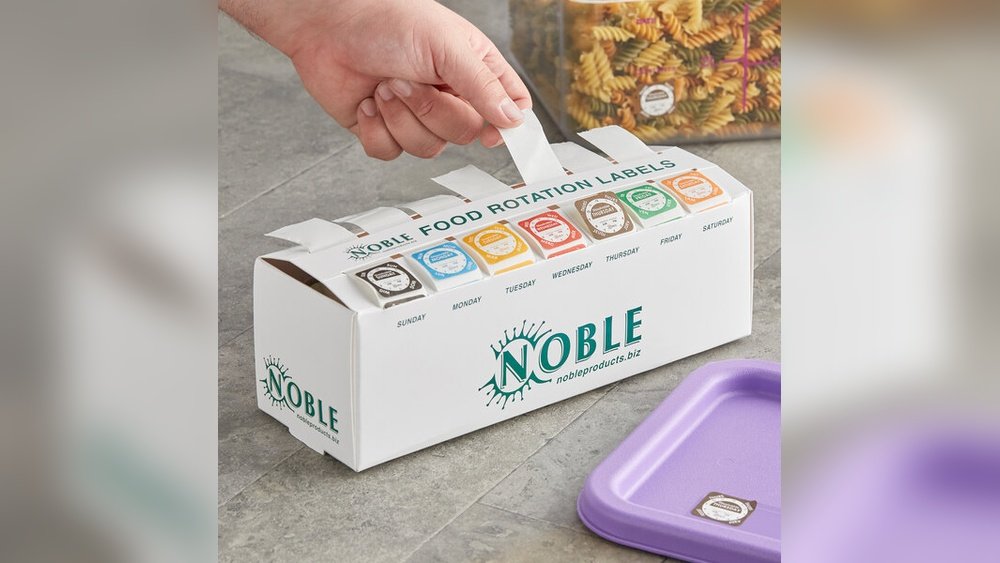
Are you tired of digging through cluttered boxes, trying to find what you need in your kitchen or pantry? Food box labels can change the way you organize your meals and snacks.
Thank you for reading this post, don't forget to subscribe!With clear, simple labels, you’ll save time, reduce waste, and enjoy a more stress-free cooking experience. Imagine opening your food boxes and instantly knowing what’s inside—no guessing, no mess. Ready to discover how the right labels can make your life easier?
Keep reading to find out everything you need to know about food box labels and how they can transform your kitchen.

Credit: hotcards.com
Importance Of Food Box Labels
Food box labels play a vital role in the food industry. They provide key information to customers about the contents inside the box. Clear labels help buyers make safe and informed choices. They also protect brands by showing important details like ingredients and expiry dates.
Labels ensure transparency and build trust between sellers and consumers. They reduce confusion and avoid mistakes during food handling and storage. Proper labeling improves the overall experience for everyone involved.
Safety And Health Information
Food box labels list allergens and dietary details. This helps people avoid foods they are allergic to. Labels also show nutrition facts, guiding healthy eating habits. Clear safety info prevents health risks and food poisoning.
Legal Requirements
Food boxes must follow strict labeling laws. These laws protect consumers and ensure fair trade. Missing or wrong labels can lead to fines or product recalls. Proper labels keep businesses compliant and trustworthy.
Brand Identity And Marketing
Labels show the brand’s logo and design. This makes products recognizable on shelves. Attractive labels catch the eye and influence buying decisions. Good labels help brands stand out and grow sales.
Product Traceability
Labels include batch numbers and production dates. This information tracks products through the supply chain. It helps locate items quickly during recalls. Traceability improves food safety and quality control.
Key Elements Of Effective Labels
Effective food box labels help customers quickly understand the product. Clear labels build trust and encourage purchases. They must show important details in a simple way. A good label combines design and information. Each element plays a key role in communication.
Brand Logo And Name
The brand logo and name create the first impression. They help customers recognize your product easily. A clear, visible logo builds brand identity. The name should be easy to read and remember. Strong branding makes your product stand out on shelves.
Product Information
Product information tells customers what is inside the box. This includes the product name, flavor, or type. Use simple words and avoid technical terms. Highlight any special features like “organic” or “gluten-free.” Clear product info reduces confusion and helps buyers decide.
Nutritional Facts
Nutritional facts provide details about the food’s content. List calories, fats, proteins, and other key nutrients. Use an easy-to-read format with clear numbers. This helps health-conscious buyers make informed choices. Accurate nutritional labels follow legal guidelines and build trust.
Design Tips For Eye-catching Labels
Creating food box labels that attract attention is key for product success. The design must stand out on crowded shelves. Simple, clear, and appealing labels help customers choose your product quickly. Focus on elements that catch the eye and communicate the brand easily.
Color Choices
Colors affect emotions and can influence buying decisions. Use bright, contrasting colors to grab attention fast. Match colors to your brand and product type. Warm colors like red and orange can create hunger. Cool colors like blue and green suggest freshness and health. Avoid using too many colors to keep the design clean.
Typography
Choose fonts that are easy to read at a glance. Simple, bold fonts work best for food labels. Avoid fancy or script fonts that confuse readers. Use different font sizes to highlight important information. Keep text short and clear to improve readability. Consistent typography builds trust and brand identity.
Imagery
Images should show the product or ingredients clearly. High-quality photos make labels look professional and trustworthy. Use simple graphics or icons to support the text. Avoid cluttering the label with too many images. The right image creates desire and tells the product story quickly.
Materials And Printing Options
Choosing the right materials and printing options for food box labels is key. These choices affect the label’s look, feel, and how well it holds up. Food safety and brand image depend on these details. Let’s explore common materials and printing methods used for food box labels. Also, learn what makes a label last longer in tough conditions.
Label Materials
Paper is the most popular label material. It is affordable and easy to print on. Glossy or matte finishes give different looks. For moisture resistance, synthetic materials like vinyl and polyester work best. These materials handle water, oils, and heat well. Kraft paper offers a natural, rustic feel. It suits organic or eco-friendly brands. Choosing the right material helps labels stay clear and attractive.
Printing Techniques
Digital printing is fast and good for small runs. It produces sharp images and bright colors. Flexographic printing suits large orders. It uses flexible plates and quick-drying ink. This method is cost-effective for simple designs. Offset printing offers high-quality detail and color. It is ideal for complex graphics. Thermal printing uses heat to create labels. It works well for barcodes and batch numbers. Each method fits different needs and budgets.
Durability Factors
Durability depends on material and printing quality. Water-resistant inks prevent colors from running. UV coating protects labels from sunlight damage. Laminates add an extra layer of defense. Heat and cold can cause labels to peel. Choosing materials that handle temperature changes helps. Strong adhesives keep labels stuck on boxes. Proper durability keeps labels readable and neat.
Legal Requirements For Food Labels
Food box labels must follow strict legal rules. These rules protect consumers and help them make safe choices. Labels must show clear and true information about the food inside. This includes ingredients, allergens, and how long the food stays fresh.
Mandatory Disclosures
Labels must list all ingredients in the food. The name and address of the producer must appear. The net quantity or weight is also required. Nutritional information is often mandatory, showing calories and nutrients. These details help buyers understand what they eat.
Allergen Information
Allergens cause serious reactions for many people. Labels must highlight common allergens like nuts, milk, and eggs. This information must be easy to find on the package. Clear allergen warnings help prevent health risks and allergic reactions.
Expiration Dates
Expiration dates tell how long food stays safe. Labels must show either a “use by” or “best before” date. These dates guide consumers on freshness and safety. Eating food past the expiration can cause illness. Proper date labeling reduces food waste and risk.
Using Labels To Enhance Brand Story
Food box labels are more than just tags. They tell a story about your brand. Labels help customers connect with your products on a deeper level. Using labels wisely can build trust and loyalty. They share your values, style, and mission in a simple way. A good label speaks directly to the customer and makes your brand memorable.
Brand Voice
Your label shows your brand voice clearly. It uses words and colors that match your style. Friendly, serious, fun, or classic tones can appear on labels. This makes your brand easy to recognize. Customers feel your personality through the label’s design and text. A strong brand voice on labels builds a lasting impression.
Sustainability Messages
Many buyers care about the environment. Labels can highlight your green efforts. Use simple phrases like “Eco-friendly” or “Recycled materials.” These messages show your care for the planet. They attract customers who want to make good choices. Clear sustainability labels can increase product appeal and trust.
Customer Engagement
Labels invite customers to interact with your brand. Add QR codes or website links on the label. This lets buyers learn more about your story or recipes. Questions or fun facts on labels keep customers interested. Engaged customers often become repeat buyers. Labels that talk to customers create a stronger bond.
Trends Shaping Food Box Labeling
Food box labels are changing fast. New ideas shape how brands show product details. These trends help customers find important information quickly. They also make packages look fresh and modern. This section covers key trends shaping food box labeling today.
Smart Labels
Smart labels include technology like QR codes and NFC chips. Shoppers scan these to see product origin and nutrition facts. They can get cooking tips or track freshness too. This tech makes labels more useful and interactive. Brands use smart labels to build trust with buyers.
Minimalist Designs
Minimalist labels use simple colors and clean fonts. They avoid clutter and focus on clear messages. This style helps important info stand out. It also makes packages look elegant and neat. Many brands choose minimalism to appeal to modern shoppers.
Interactive Features
Interactive features invite customers to engage with the label. Some labels have peel-back sections or hidden messages. Others include games or challenges linked by QR codes. These features create fun and memorable experiences. They help brands connect better with consumers.

Credit: www.denverpost.com

Credit: www.uprinting.com
Frequently Asked Questions
What Information Should Food Box Labels Include?
Food box labels must show product name, ingredients, and expiration date. They also need allergen warnings and storage instructions. Clear labels help customers understand what they buy.
Why Are Food Box Labels Important For Safety?
Labels keep people safe by showing allergens and expiry dates. They prevent eating spoiled or harmful food. This reduces health risks and food waste.
How To Design Clear Food Box Labels?
Use simple fonts and big text for easy reading. Include pictures or icons to explain ingredients or instructions. Keep the layout clean and organized.
Can Food Box Labels Affect Buying Decisions?
Yes, labels influence customers by showing nutrition facts and quality. Attractive labels build trust and make products stand out. Clear info helps buyers choose quickly.
What Legal Rules Apply To Food Box Labels?
Food labels must follow laws about ingredient lists and health claims. They must be truthful and not misleading. Different countries have specific labeling rules.
How To Make Food Box Labels Eco-friendly?
Use recyclable or biodegradable label materials. Choose water-based inks and minimal packaging. Eco-friendly labels help protect the environment.
How Often Should Food Box Labels Be Updated?
Update labels when ingredients, nutrition, or laws change. Regular updates keep information accurate and legal. Check labels at least once a year.
Conclusion
Clear food box labels help keep your kitchen organized and safe. They show important details like ingredients and expiration dates. This makes it easy to find what you need fast. Proper labels also reduce food waste by reminding you when items go bad.
Using simple and neat labels saves time and effort every day. Remember, good labels protect your health and improve meal prep. Keep labels visible and updated for best results. Small steps bring big benefits in your food storage habits.
