
Looking to grab attention quickly and spread your message effectively? Flyers and leaflets are powerful tools you can use to reach your audience right where they are.
Thank you for reading this post, don't forget to subscribe!Whether you want to promote a special offer, announce an event, or simply raise awareness, these simple pieces of paper can make a big impact. You’ll discover how to create flyers and leaflets that not only look great but also connect with your readers and inspire action.
Keep reading to learn how to turn your ideas into eye-catching designs that work for you.
Benefits Of Flyers And Leaflets
Flyers and leaflets are simple tools that help share information quickly. They reach many people in a short time. Small businesses and big companies use them to tell about offers, events, or new products. These printed materials are easy to carry and distribute. They catch attention with bright colors and clear messages.
Using flyers and leaflets has many benefits. They work well for local marketing and help create a personal touch. These tools are cost-effective and flexible for different needs. Below are some key benefits of using flyers and leaflets.
Affordable Marketing Solution
Flyers and leaflets cost less than many other advertising methods. Printing in bulk lowers the price even more. This makes them perfect for small budgets. Businesses can reach many people without spending a lot of money.
Easy To Distribute
Flyers and leaflets are lightweight and small. People can hand them out on streets, at events, or in stores. They fit well in mailboxes and can be placed on tables or walls. Distribution is simple and fast, reaching a wide audience.
Targeted Local Reach
These materials help focus on a specific area or group. Businesses can choose where to send flyers and leaflets. This helps attract local customers who are more likely to visit or buy. Targeting saves money and increases results.
Clear And Direct Message
Flyers and leaflets deliver short, clear messages. They highlight key information like discounts, dates, or contacts. This helps readers understand the offer quickly. A strong message encourages immediate action.
Supports Brand Awareness
Consistent design and logos on flyers build brand recognition. People see the brand often and remember it. Flyers keep the business name in the public eye. This helps build trust and loyalty over time.
Key Design Elements
Design plays a big role in making flyers and leaflets stand out. The right design grabs attention fast. It helps readers understand the message clearly. Simple, clear design works best for flyers. It shows the main points quickly. Here are some key design elements to focus on.
Color Choices
Colors catch the eye and set the mood. Use bright colors for energy and dark colors for seriousness. Stick to two or three main colors for balance. Choose colors that match your brand or event theme. Contrast between background and text makes reading easy. Avoid using too many colors. It can confuse the reader.
Typography Tips
Typography means the style of your text. Use clear and simple fonts for easy reading. Mix one or two fonts to keep it interesting. Make headings larger and bolder than body text. Avoid fancy fonts that are hard to read. Keep font sizes big enough for all ages. Proper spacing between letters and lines improves clarity.
Effective Imagery
Images tell your story without many words. Use high-quality pictures that relate to your message. Avoid blurry or pixelated images. Photos of people or products work well. Use images to guide the reader’s eyes. Make sure images do not crowd the text. White space around images helps the design breathe.
Target Audience Insights
Understanding your target audience is key to designing effective flyers and leaflets. Knowing who will read your material helps you choose the right message, images, and style. This insight makes your flyer more appealing and useful.
Target audience insights guide your content and design choices. They help you speak directly to the people who matter most. This focus improves the chance your flyer will catch attention and get results.
Who Is Your Audience?
Identify the age, gender, and interests of your audience. Think about their jobs, hobbies, and daily habits. This information helps you create a flyer that fits their needs and preferences.
What Problems Do They Have?
Find out what challenges your audience faces. Your flyer should offer solutions or helpful information. Show how your product or service can make life easier for them.
Where Does Your Audience Spend Time?
Know the places your audience visits often. It could be local shops, community centers, or events. Distribute your flyers in these locations for better reach.
What Language And Tone Work Best?
Use simple words that your audience understands. Choose a friendly, clear tone. Avoid complex language to keep your message easy to read and remember.
Crafting A Clear Message
Crafting a clear message is the heart of effective flyers and leaflets. A simple and direct message grabs attention quickly. It helps readers understand your offer or idea without confusion. Clear communication increases the chance people will act on your flyer.
Focus on the main point you want to share. Avoid clutter or too many details. Each word should have a purpose. This keeps your message strong and easy to remember.
Define Your Core Message
Start by deciding the single most important thing to say. Your core message guides all content on the flyer. Use short sentences that explain the offer or event. Avoid complex words or jargon. Clear and basic language works best.
Use Simple And Direct Language
Speak like you are talking to a friend. Simple words help everyone understand quickly. Avoid long sentences. Break ideas into small pieces. This makes your flyer easier to read and remember.
Highlight Benefits, Not Features
Tell readers how they will benefit from your offer. Benefits create interest and motivate action. Features describe the product or service. Focus on what people gain, not just what you provide.
Include A Clear Call To Action
Tell readers exactly what to do next. Use short commands like “Call now,” “Visit today,” or “Join us.” A clear call to action guides readers to act fast. Make it easy to find and understand.
Distribution Strategies
Choosing the right distribution strategy is key for flyer leaflet success. It helps your message reach the right people. Effective distribution saves money and boosts results. Let’s explore some easy ways to share your flyers.
Local Events
Local events attract many people in your area. Hand out flyers at fairs, markets, or sports games. This method targets people already interested in your community. It creates a personal touch and builds trust. Make sure your flyer stands out with clear, simple design.
Direct Mail
Direct mail sends flyers straight to homes or businesses. This strategy reaches a specific audience based on location or interests. It works well for new businesses or sales promotions. Use quality paper and a strong message. Personalize the flyer for better attention and response.
Partnerships
Partner with local shops or organizations to share your flyers. They can display your flyer or include it with purchases. This method reaches customers who trust the partner. It expands your reach without extra costs. Choose partners related to your business for best results.
Credit: www.printingcenterusa.com
Measuring Flyer Effectiveness
Measuring flyer effectiveness helps you know if your flyer works well. It shows if people see your message and act on it. Tracking results helps improve future flyer campaigns. You learn what attracts attention and what does not.
Many ways exist to measure flyer success. Some methods are simple and cheap. Others need more effort but give clear answers. Choose what fits your needs and budget.
Tracking Response Rates
Response rate means how many people react to your flyer. Count calls, visits, or sales linked to the flyer. Use a unique phone number or email for tracking. This method shows if the flyer brings interest.
Using Coupon Codes
Give a special coupon code on the flyer. Customers use the code to get discounts. Count how many use the code. This helps measure how many flyers lead to sales.
Conducting Surveys
Ask customers how they heard about your business. Include questions about the flyer. Surveys give direct feedback. They show what people think about your flyer.
Monitoring Website Traffic
Add a special web link or QR code to your flyer. Track clicks and visits from this link. See how many people visit your site because of the flyer. This method shows online interest from offline flyers.
Observing Sales Changes
Compare sales before and after distributing flyers. A rise in sales suggests flyer success. Watch for patterns in busy times or product sales. This helps understand flyer impact on revenue.
Common Design Mistakes To Avoid
Designing flyers and leaflets needs care. Mistakes can ruin their impact. Avoiding common errors helps your message stand out. Clear, clean design draws attention. Poor design confuses or loses readers fast.
Simple, strong design makes your flyer easy to read. Focus on key points and keep it neat. Here are some common design mistakes to watch out for.
Overcrowding The Layout
Too much text or too many images makes flyers hard to read. Crowded design looks messy. Leave space around text and pictures. This guides the reader’s eye smoothly through the flyer.
Using Small Or Hard-to-read Fonts
Fonts that are too small or fancy can confuse readers. Choose clear, simple fonts. Make sure the text size is big enough to read from a distance.
Poor Color Choices
Colors that clash or have low contrast make text hard to see. Use colors that work well together. Ensure text stands out against the background for easy reading.
Ignoring The Call To Action
Your flyer should tell readers what to do next. Forgetting this step leaves them unsure. Use clear, direct instructions like “Call now” or “Visit our store.”
Using Low-quality Images
Blurry or pixelated images look unprofessional. Use high-quality photos or graphics. This improves the flyer’s overall appearance and trustworthiness.

Credit: pikbest.com
Credit: www.solopress.com
Frequently Asked Questions
What Is The Main Purpose Of Flyers And Leaflets?
Flyers and leaflets are used to share information quickly. They help promote events, products, or services to many people.
How Do Flyers Differ From Leaflets In Design?
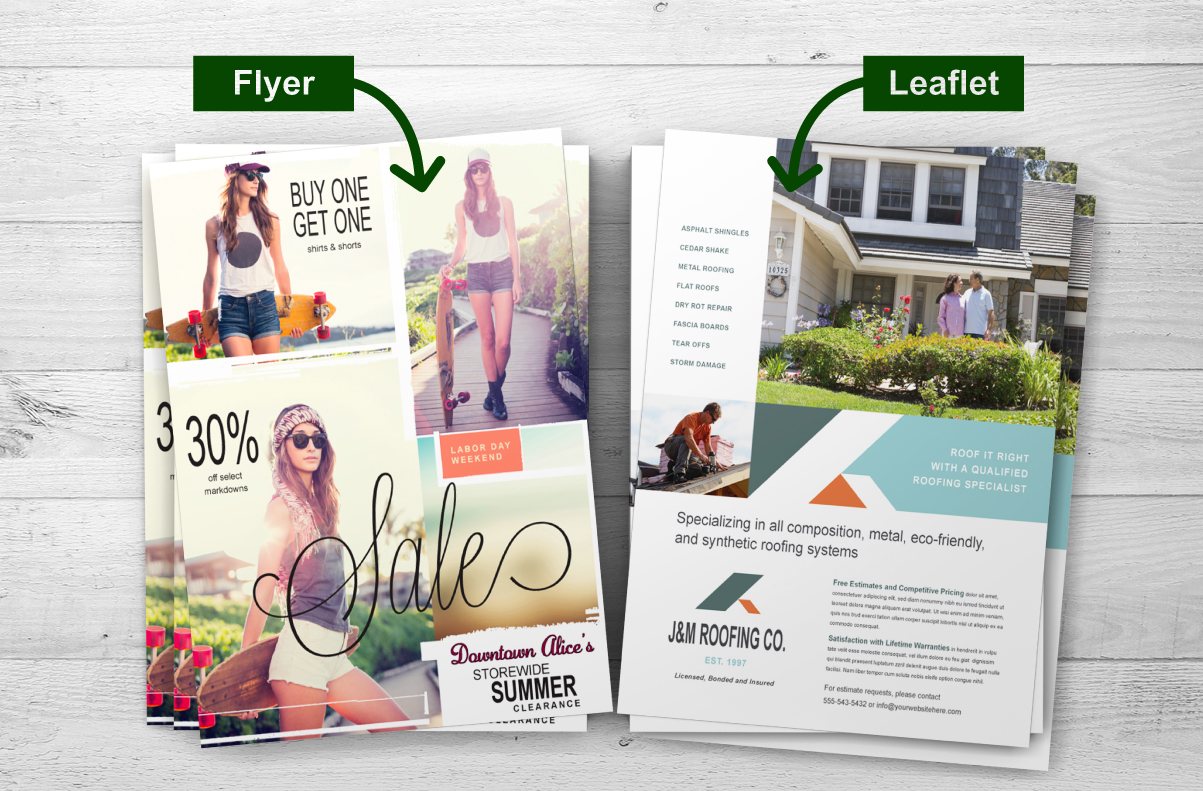
Flyers are usually one page and colorful. Leaflets can have multiple folds and more detailed content.
What Size Is Best For Flyers And Leaflets?
Common sizes are A5 or A6 for easy handling. These sizes fit well in hands and mailboxes.
How Can I Make My Flyer Stand Out?
Use bright colors and simple messages. Clear images and bold headlines catch attention fast.
What Type Of Paper Is Best For Printing Leaflets?
Glossy or matte paper with medium thickness works well. It feels good and looks professional.
How Many Flyers Should I Print For An Event?
Printing a few hundred is good for small events. For larger events, consider printing more to reach more people.
Where Is The Best Place To Distribute Flyers?
Busy streets, local shops, and community centers are great spots. Target places where your audience often visits.
Conclusion
Flyers and leaflets remain simple tools to share your message. They catch attention quickly and fit any budget. Use clear words and bright colors to stand out. Place them where many people will see. These print materials help build your brand and bring customers close.
Keep designs neat and easy to read. Small efforts with flyers can bring big results. Give your ideas a chance to spread wide and grow.
