
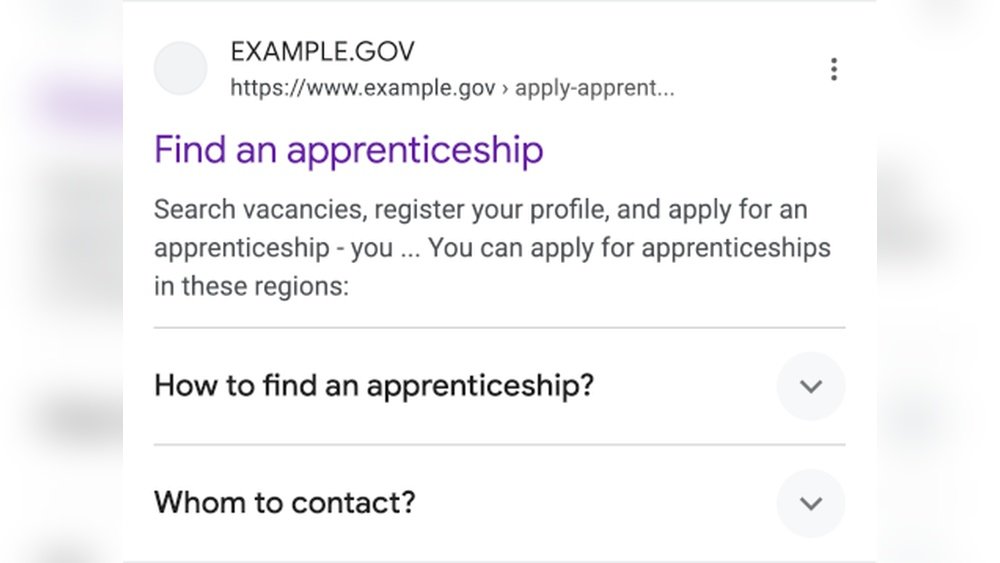
Have questions? You’re not alone.
Thank you for reading this post, don't forget to subscribe!Whether you’re new to something or just need quick answers, FAQs are your best friend. They save you time and clear up confusion fast. You’ll find the most common questions answered clearly and simply. Keep reading—your answers are just a few scrolls away.
Common Questions Answered
Many people have questions about this topic. Answering common questions helps clear up confusion. It also saves time and effort. Below are some of the most asked questions and clear answers.
What Is The Main Purpose?
The main goal is to provide easy and quick help. It guides users to understand the subject better. Simple steps explain how things work clearly.
How Can I Get Started?
Start by reading the basic information provided. Follow simple instructions step-by-step. Take your time and practice regularly.
Are There Any Costs Involved?
Most services are free to use. Some advanced features may require payment. Always check details before making a purchase.
Is It Safe To Use?
Yes, safety is a top priority here. Data protection rules are strictly followed. Use official sources to avoid risks.
Where Can I Find More Help?
Support is available through customer service. Look for FAQs on the official website. Contact experts if questions remain unanswered.

Credit: www.figma.com
Tips For Quick Solutions
Finding quick answers can save time and reduce stress. Simple tips help you solve problems fast. These tricks make it easier to get the help you need.
Use clear steps. Stay calm and focused. Small actions lead to big fixes.
Use Specific Keywords
Choose exact words related to your problem. This narrows down the search results. You get relevant answers faster.
Check Official Sources
Look for information from trusted sites. Official pages have accurate and updated data. This avoids confusion and mistakes.
Read Faqs First
Many answers are already written in FAQs. Skim through them before asking for help. This can save a lot of time.
Describe The Problem Clearly
Write your issue in simple words. Include important details like error messages or steps taken. Clear descriptions get better solutions.
Use Forums And Communities
Join groups with people who share your problem. They often suggest quick fixes from experience. This helps avoid trial and error.
Troubleshooting Essentials
Troubleshooting is key to fixing common problems fast. It saves time and stress.
Knowing the basics helps you solve issues without extra help. This section covers essential tips for troubleshooting.
Understanding The Problem
Start by identifying what is wrong. Watch for error messages or unusual behavior. Write down what you see. Clear details help find the cause.
Restarting Devices
Turn the device off and on again. This simple step fixes many issues. It refreshes the system and clears temporary glitches.
Checking Connections
Look at cables and wires. Make sure everything is plugged in tightly. Loose or damaged cables cause many problems.
Updating Software
Keep your software and apps up to date. Updates fix bugs and improve performance. Check for updates regularly.
Using Safe Mode
Start your device in safe mode. This mode loads only essential programs. It helps find if a program causes the problem.
Clearing Cache And Cookies
Remove cache and cookies in your browser or app. This clears old data that may cause errors. It often speeds up performance.
Resetting Settings
Reset settings to default if problems continue. This removes changes that might cause trouble. Save your important data first.
Expert Advice On Challenges
Facing challenges can feel overwhelming. Experts share advice to make these moments easier. Their insights help tackle problems with clear steps. Understanding expert views guides better decisions and actions. This section covers key advice from professionals to handle difficulties effectively.
Understanding Common Challenges
Experts say many challenges repeat across projects and life. Knowing common issues helps prepare better responses. These include time limits, lack of resources, and unclear goals. Awareness reduces stress and improves focus on solutions.
Practical Steps To Overcome Challenges
Experts suggest breaking problems into small parts. Solve each part step-by-step to avoid feeling stuck. Use simple tools like lists and schedules. This method keeps progress steady and clear.
Staying Positive During Difficult Times
Maintaining a positive mindset boosts problem-solving skills. Experts recommend focusing on what you control. Celebrate small wins and learn from mistakes. Positivity improves energy and helps find new ideas.
Seeking Help When Needed
Experts advise asking for help if stuck. Others may see solutions you miss. Sharing problems lessens pressure and brings fresh views. Support from friends or mentors can guide toward success.
Resource Recommendations
Resource recommendations help you find useful tools and materials fast. They guide you to trusted sources that save time and effort. This section lists helpful references for better understanding and practical use.
Each resource fits different needs. Some offer detailed explanations, while others provide quick answers. Choose what suits your learning style and goals.
Books And Guides
Books give deep knowledge on many topics. They explain ideas step-by-step and offer examples. Guides are shorter and focus on practical tips. Both are great for learning at your own pace.
Websites And Online Articles
Websites offer updated information and many free articles. They cover a wide range of subjects and often include visuals. Use them for quick facts or in-depth reading.
Video Tutorials
Videos show how to do things clearly. Watching helps you understand steps better than reading alone. Many tutorials are easy to follow and use simple language.
Forums And Community Groups
Forums let you ask questions and get answers from others. Community groups share experiences and tips. They create a space to learn from real users.

Credit: www.superoffice.com
Myth Busting
Many myths confuse people about common topics. These false ideas spread quickly and cause misunderstandings.
Clearing up myths helps you get facts and make better choices. Let’s explore some popular myths and the truths behind them.
Myth: Drinking Water Removes All Toxins
People say drinking lots of water flushes out all toxins. The truth is, water helps your kidneys but does not remove everything.
Your liver and other organs also work to clean your body. Drinking enough water supports these organs but cannot do the job alone.
Myth: Carrots Improve Night Vision
Many believe eating carrots can fix night vision. Carrots do contain vitamin A, which helps eye health.
But eating extra carrots will not make your vision sharper in the dark. Good eyesight depends on many factors, not just carrots.
Myth: You Must Drink Eight Glasses Of Water Daily
This number is common but not a strict rule. People need different amounts based on age, activity, and climate.
Listen to your body’s signals like thirst. Drinking water steadily throughout the day is better than counting glasses.
Myth: Cold Weather Causes Colds
Cold weather itself does not cause colds. Viruses cause colds and spread easier in colder months.
People stay indoors close together in winter, helping viruses spread. Dress warmly to stay comfortable, but focus on hygiene to avoid illness.
Next Steps And Actions
Understanding the next steps and actions helps you move forward with confidence. Clear guidance reduces confusion and saves time. It ensures you complete tasks correctly and efficiently.
Below are key steps to follow after gathering information from FAQs. These tips help you apply what you learn and solve problems faster.
Assess Your Current Situation
Review what you already know about the topic. Check if you have all necessary resources. Identify any gaps in your knowledge or tools.
Create A Simple Action Plan
Write down small, clear steps to take next. Prioritize tasks based on importance and urgency. Set realistic deadlines to keep progress steady.
Seek Additional Help When Needed
Contact support or experts for complex issues. Use forums or communities for shared experiences. Don’t hesitate to ask questions to avoid mistakes.
Track Your Progress
Keep notes on what actions you have taken. Mark completed steps to stay organized. Adjust your plan as you learn more.

Credit: www.zendesk.com
Frequently Asked Questions
What Is The Main Purpose Of A Faq Section?
A FAQ section helps answer common questions quickly. It saves time for both readers and website owners.
How Can Faqs Improve Website User Experience?
FAQs provide clear, easy-to-find information. This helps visitors understand products or services better.
Why Are Faqs Important For Seo?
FAQs add relevant keywords naturally. They help search engines rank your site higher.
How Often Should Faqs Be Updated?
Update FAQs regularly to keep information accurate. Review them every few months or after changes.
What Types Of Questions Should Be In Faqs?
Include questions that customers ask most. Cover topics like product details, shipping, and returns.
Can Faqs Reduce Customer Support Requests?
Yes, FAQs answer many common questions. This lowers the number of support calls and emails.
How To Write Effective Faq Answers?
Keep answers short and clear. Use simple words and avoid technical jargon or long sentences.
Conclusion
This FAQ section answers common questions clearly and simply. It helps you understand key points fast. You can find quick solutions without extra reading. Keep this guide handy whenever you need a reminder. Clear answers save time and reduce confusion.
Feel free to revisit these FAQs as often as needed. This makes learning easier and less stressful. Stay informed and confident with this helpful resource.
