
Are you looking to make your event stand out and attract the right crowd? Event flyers are one of the simplest and most powerful tools to grab attention fast.
Thank you for reading this post, don't forget to subscribe!When designed well, your flyer doesn’t just share information—it sparks curiosity and excitement. Imagine your flyer landing in the hands of the perfect audience, making them eager to join your event. You’ll discover how to create flyers that connect with people’s emotions and drive them to act.
Keep reading, and you’ll learn the secrets to turning your event flyer into a magnet for success.

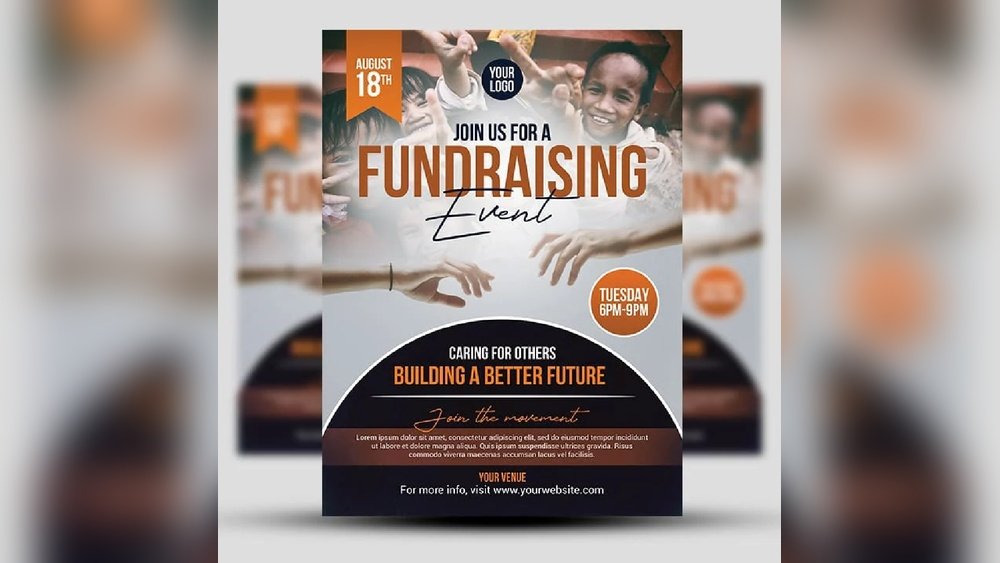
Credit: venngage.com
Designing Eye-catching Flyers
Designing eye-catching flyers is key to grabbing attention fast. A well-made flyer can make people stop and read. It must look good and share the right message clearly. Simple design ideas help create flyers that stand out.
Focus on clear visuals and easy-to-read text. Keep the flyer neat and balanced. This makes it easier for people to remember your event. Small details matter in flyer design. Colors, fonts, images, and layout all play a role.
Choosing The Right Colors And Fonts
Colors set the mood and attract the eye. Use bright colors to catch attention. Soft colors work well for calm events. Choose fonts that are easy to read at a glance. Avoid fancy fonts that slow reading. Use one or two fonts to keep it clean.
Incorporating High-quality Images
Images tell a story without words. Use clear, sharp images related to the event. Avoid blurry or pixelated pictures. Good images create interest and trust. They help people imagine the event experience.
Balancing Text And Visual Elements
Too much text can overwhelm the reader. Use short sentences and bullet points. Leave enough space around text and images. Balance keeps the flyer easy to scan quickly. It guides the reader’s eyes to key details.
Crafting Compelling Copy
Creating great copy for event flyers helps grab attention fast. It tells people what the event is about in a clear way. Good copy makes readers want to join or learn more. The words must be simple and direct. Each part of the text should have a purpose.
Writing Clear And Concise Headlines
A headline is the first thing people see. Make it short and easy to read. Use words that explain the event quickly. Avoid long or confusing sentences. A strong headline sparks interest right away. It should show the main benefit or theme of the event.
Using Persuasive Language
Choose words that excite and motivate readers. Show why the event matters to them. Use active verbs and positive phrases. Make the event sound fun, useful, or special. Keep sentences simple to keep readers focused. Persuasive words help turn interest into action.
Including Strong Calls To Action
A call to action tells readers what to do next. Use clear phrases like “Join now” or “Reserve your spot.” Place the call to action where it stands out. Make it easy to understand and follow. A strong call to action increases attendance and engagement.
Targeting Your Audience
Targeting your audience is key for effective event flyers. Knowing who will see the flyer helps create a message that connects. It saves time and money by focusing on the right people. This section explains how to find your audience and design flyers that speak directly to them.
Identifying Key Demographics
Start by defining who your event is for. Look at age, gender, and location. Consider interests and hobbies. These details help shape the flyer’s look and words. For example, a music event for teens needs bright colors and fun language. A business seminar flyer suits a clean, professional style.
Think about the audience’s needs and problems. What do they want from the event? Use this information to grab their attention quickly. Clear, simple messages work best. Avoid too much text or complex words.
Customizing Flyers For Different Groups
Create different versions of your flyer for each audience group. Change images, colors, and text to match their preferences. For families, use friendly pictures and easy words. For young adults, try bold fonts and trendy graphics.
Test which flyer works best by asking for feedback or tracking responses. Small changes can make a big difference in how people react. Custom flyers show you understand the audience. They increase the chance people will attend your event.
Effective Distribution Strategies
Effective distribution is key to the success of event flyers. It ensures the right people see your message. Without good distribution, even the best flyer may go unnoticed.
Choosing the right places and platforms to share your flyers makes a big difference. Focus on areas where your target audience spends time. Use both physical spots and online channels for wider reach.
Leveraging Physical Locations
Place flyers in spots with high foot traffic. Cafes, community centers, and local shops work well. Pick locations related to your event theme for better impact.
Ask permission before leaving flyers. Some places have rules about posting materials. Hand out flyers at events or busy streets to meet people directly.
Utilizing Digital Platforms
Share digital versions of your flyer on social media. Use Facebook, Instagram, and Twitter to reach different groups. Join local groups and post your flyer there.
Email newsletters can help spread the word too. Send your flyer to your contacts with a short, clear message. Online event boards and forums also attract interested people.
Timing Your Flyer Campaign
Timing plays a big role in the success of your flyer campaign. You want to reach your audience when they are most ready to act. Sending flyers too early or too late can reduce their impact. Planning the right schedule helps your event stay fresh in people’s minds.
Careful timing also supports other marketing efforts. It keeps the event visible over time. This approach increases the chance of more attendees and better engagement.
Optimal Lead Time Before Events
Start your flyer campaign about two to three weeks before the event. This gives enough time for people to plan and decide. Flyers sent too early might be forgotten. Flyers sent too late may not reach everyone.
Consider your event type. For small local events, two weeks is good. Bigger events may need three or four weeks. Think about your audience’s habits. When do they make plans? Match your timing to their routine.
Scheduling Follow-up Promotions
Follow-up flyers remind people about the event. Send a second batch one week before the date. This boosts excitement and helps last-minute planners.
Use different flyer designs or messages to keep interest high. Highlight new details or guest speakers. Keep your message clear and simple. This helps your audience remember and act on the event.
Measuring Flyer Campaign Success
Measuring flyer campaign success helps you know if your effort pays off. It shows what works and what needs change. Tracking results guides better planning for future events. Success means more attendees and stronger brand awareness.
Tracking Response Rates
Response rate tells how many people react to your flyer. Use a special code or phone number on each flyer. Count how many times it gets used. This number shows how many people notice your message. It helps find which design or offer works best. Response rates let you compare different flyer versions easily.
Analyzing Attendance Impact
Check how many people come to your event after flyer distribution. Compare attendance with past events that had no flyers. If more people attend, flyers likely helped. Ask attendees where they heard about the event. Use this feedback to improve your flyer strategy. Attendance impact shows if your flyers reach the right audience.
Common Mistakes To Avoid
Creating event flyers can be simple. Yet many make common mistakes that reduce their impact. Avoiding these errors helps your flyer attract attention and share key details clearly.
Flyers should be easy to read. Too much text or poor design confuses the audience. Keeping the flyer clean and on-brand makes it more effective.
Overloading Flyers With Information
Many flyers try to include every detail. This clutters the design and overwhelms readers. Focus on key facts: event name, date, time, location, and contact info. Use short phrases and bullet points. Leave space for visuals and breathing room.
Ignoring Branding Consistency
Flyers that don’t match your brand look unprofessional. Use consistent colors, fonts, and logos. This builds trust and makes your event easier to recognize. Brand consistency helps your flyer stand out among others.
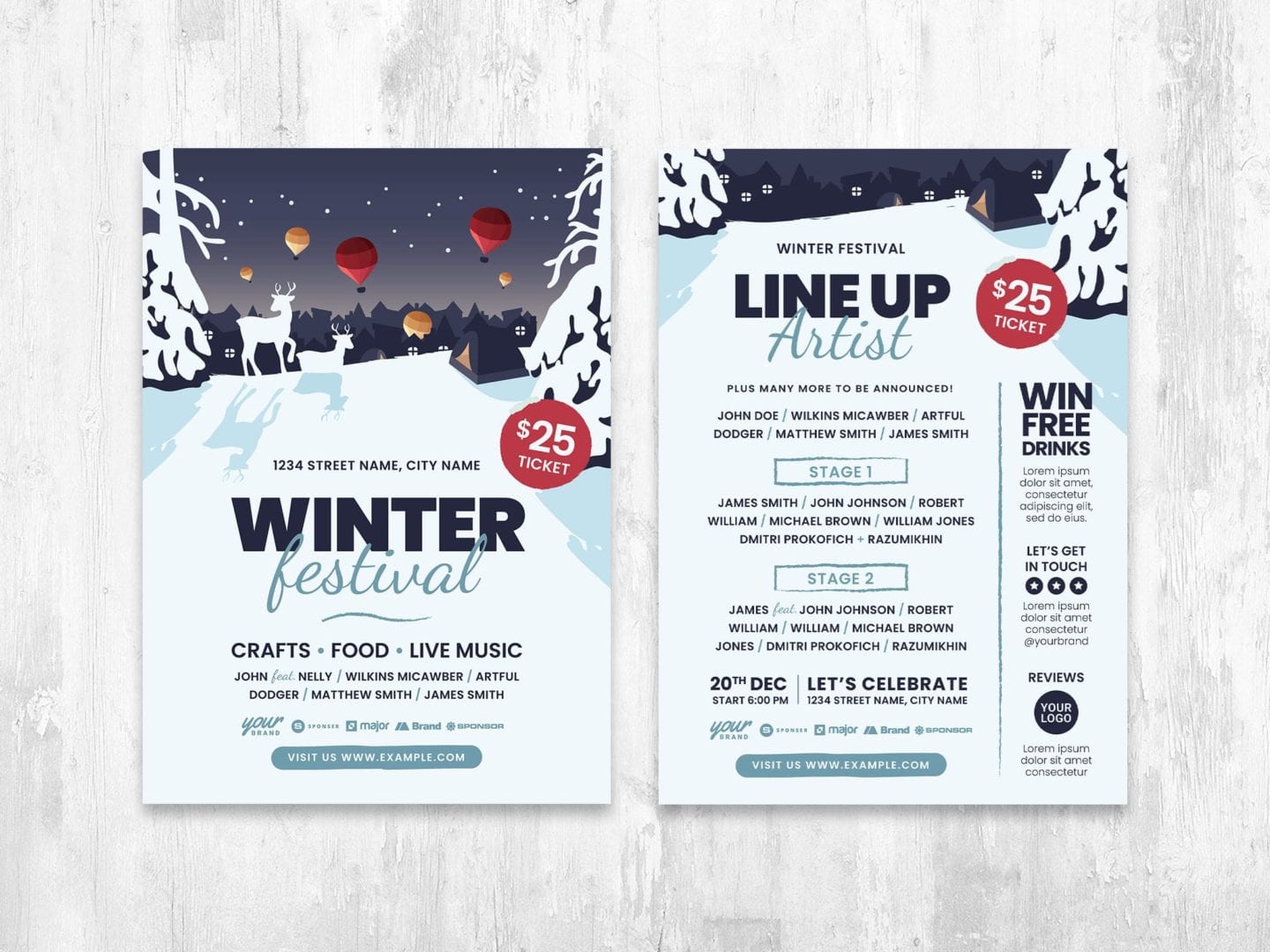
Credit: brandpacks.com
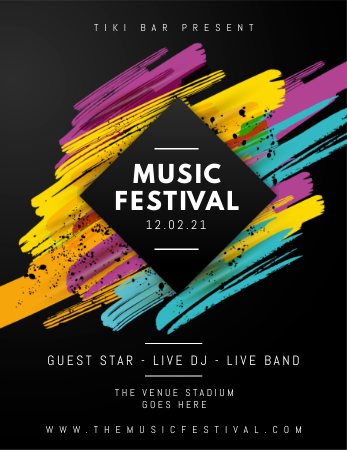
Credit: www.postermywall.com
Frequently Asked Questions
What Is The Purpose Of Event Flyers?
Event flyers help share details about an event quickly. They attract attention and encourage people to attend. Flyers highlight the date, time, and location clearly.
How To Design An Effective Event Flyer?
Use bright colors and big fonts to catch eyes. Keep text short and easy to read. Include important info like event name and contact details.
What Size Is Best For Event Flyers?
Common sizes are 4×6 inches or A5 paper. These sizes are easy to hold and distribute. They fit well on bulletin boards and handouts.
Where Should I Distribute Event Flyers?
Hand them out in busy places like malls or parks. Post flyers on community boards and local shops. Target areas where your audience often visits.
What Information Must Be On Event Flyers?
Include event name, date, time, and place. Add a short description and contact info. Social media links help people find more details.
Can Event Flyers Be Digital?
Yes, digital flyers can be shared online and by email. They reach a wider audience quickly and save printing costs. Use clear images for best results.
How Soon Should I Distribute Event Flyers?
Start distributing 2-3 weeks before the event date. This gives people time to plan and attend. Avoid too early or too late distribution.
Conclusion
Event flyers help spread the word about your event fast. They catch attention with clear, simple designs. Good flyers share all important details in one place. People can easily remember the date, time, and location. Flyers also work well for both small and big events.
Use bright colors and easy-to-read fonts to stand out. Hand them out or post them where many see. Flyers stay useful for many kinds of events. They bring people together and make events better. Keep your message clear, and your flyer will do its job.
