Your business card is more than just a piece of paper—it’s your first impression, your silent salesperson, and a powerful tool to make connections. But how do you make sure your card stands out in a stack full of them?
Thank you for reading this post, don't forget to subscribe!You need smart, creative business card printing ideas that grab attention and make people remember you. You’ll discover simple yet effective ways to design a card that speaks directly to your audience and leaves a lasting impact. Ready to transform your business card into a game-changer?
Let’s dive in.
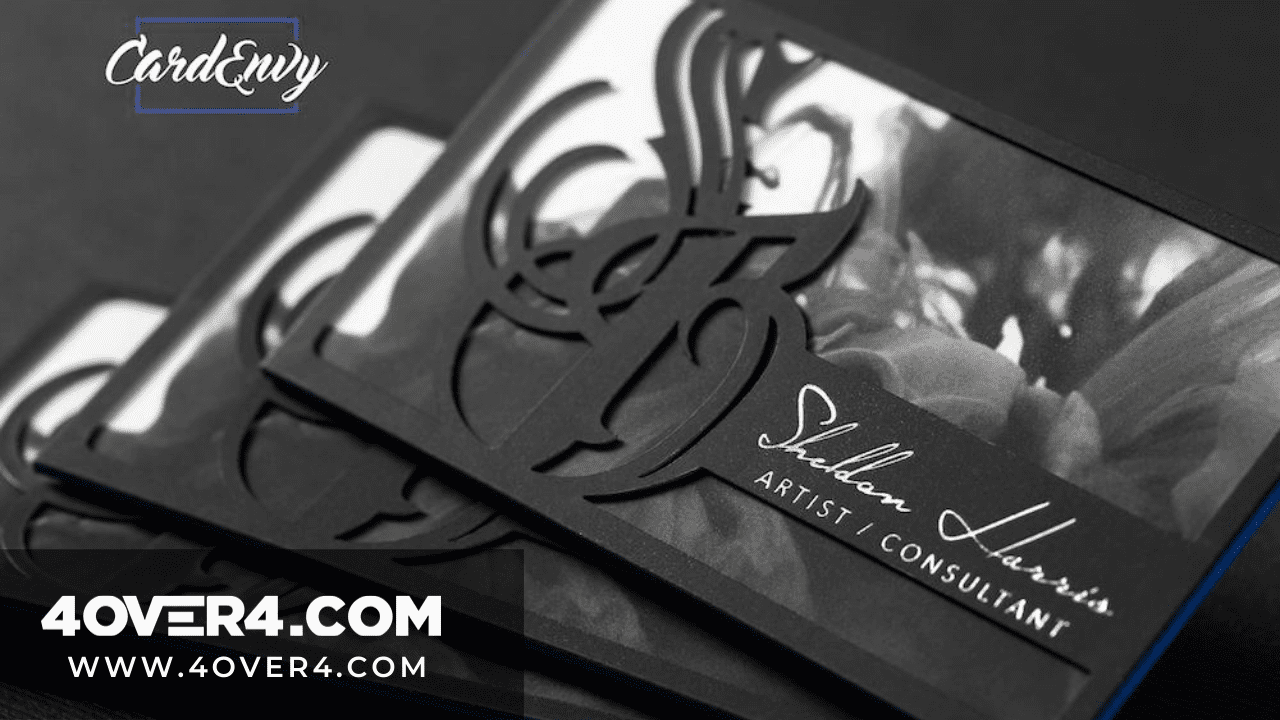
Credit: www.4over4.com
Creative Design Concepts
Creative design concepts make business cards stand out. They help you leave a strong impression. A unique card shows your style and professionalism. Different design ideas can match your brand and personality.
Minimalist Styles
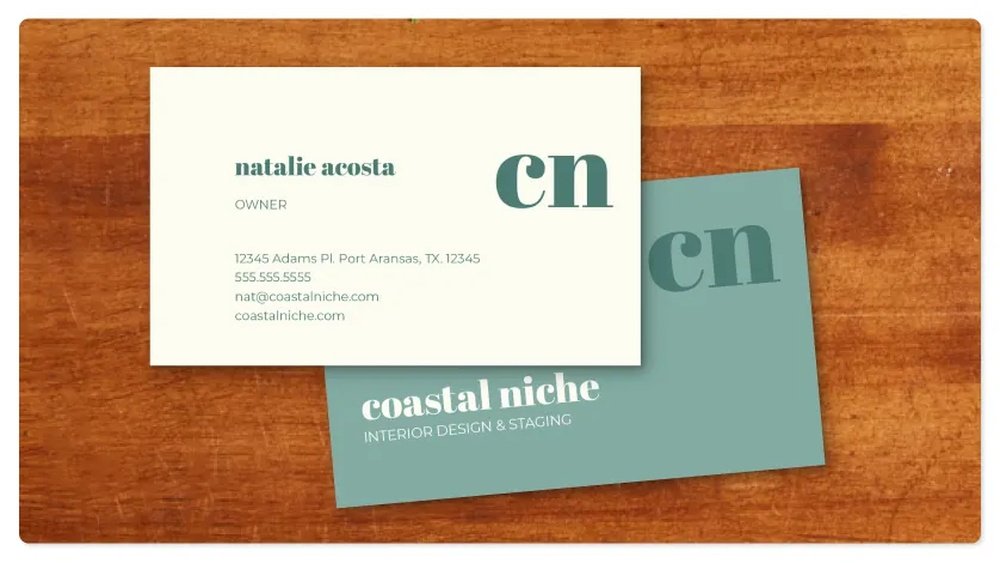
Minimalist business cards use simple shapes and clean lines. They focus on essential information only. White space plays a big role in making the card easy to read. Minimalism creates a modern and elegant look. This style suits professionals who prefer clarity and neatness.
Bold Typography
Bold typography grabs attention quickly. Big, clear fonts make your name and contact easy to see. Choose fonts that reflect your brand’s personality. Using bold letters can add energy and confidence. This style works well for creative and dynamic businesses.
Unique Shapes
Unique shaped cards break the usual rectangle mold. Circles, squares, or custom shapes make your card memorable. Uncommon shapes invite curiosity and stand out in a pile. They show creativity and can hint at your business style. Be sure the shape fits well with your brand image.
Material Choices
Choosing the right material for your business card can make a strong impression. Material affects how your card feels and looks. It also shows your style and values. Different materials offer unique benefits. Some are eco-friendly, while others are durable or stylish. Picking the best material helps your card stand out and represent your brand well.
Recycled Paper Options
Recycled paper is an eco-friendly choice. It uses less energy and reduces waste. These cards have a natural, earthy look. They often have small flecks or textures. Recycled paper suits brands that care about the planet. It sends a message of responsibility and care. Plus, it feels soft and lightweight in hand.
Metal And Plastic Cards
Metal and plastic cards offer durability and uniqueness. Metal cards feel solid and heavy. They show strength and professionalism. Plastic cards resist water and tearing. They come in clear, frosted, or colored styles. Both materials catch attention quickly. These cards fit well with modern and creative brands.
Textured Finishes
Textured finishes add a tactile experience. Raised patterns or embossing create a sense of depth. Linen, cotton, or felt textures feel soft and rich. Textured cards invite people to touch and explore. They make your card memorable and different. These finishes work well for luxury or artistic brands.
Special Effects
Special effects on business cards make them stand out. They add texture, shine, and depth. These effects catch the eye and leave a lasting impression. Using special effects shows attention to detail and professionalism.
Foil Stamping
Foil stamping uses shiny metal foil to highlight parts of the card. It adds a glossy, metallic look in colors like gold, silver, or copper. This effect makes logos and names pop. It feels smooth and looks elegant under light.
Embossing And Debossing
Embossing raises a design above the card surface. Debossing presses the design into the card. Both add a tactile element to your card. They create shadows and texture that invite touch. These effects work well for logos, patterns, or text.
Spot Uv Coating
Spot UV coating applies a shiny layer to specific parts of the card. It contrasts with the matte or uncoated areas. This effect highlights important details like names or images. It adds gloss and depth without changing the card’s thickness.

Credit: razergraphix.com.au
Interactive Elements
Interactive elements make business cards more than just contact tools. They create a memorable experience for anyone who receives them. These features invite people to engage directly with your brand. This interaction can leave a stronger impression than plain cards. Interactive business cards blend creativity with technology. They help your card stand out in a stack.
Qr Codes Integration
QR codes link your physical card to the digital world. A quick scan leads to your website, portfolio, or social media. This saves space on the card while sharing more information. QR codes are easy to create and scan using a smartphone. They encourage immediate action from your audience. Use clear calls to action near the code. This guides people on what to do next.
Augmented Reality Features
Augmented reality (AR) adds a virtual layer to your card. Users see animations, videos, or 3D models through their phones. This makes your card interactive and fun. AR can showcase products or tell your brand story. It turns a simple card into a rich experience. AR requires special apps or software but offers high engagement. It leaves a lasting impression on clients and partners.
Pop-up And Folded Designs
Pop-up and folded cards add a tactile surprise. They open up to reveal hidden messages or images. These designs invite people to physically interact with the card. It creates curiosity and a memorable moment. Unique folds or pop-ups highlight your creativity and attention to detail. This style works well for creative industries and personal brands. It encourages people to keep the card longer.
Practical Tips
Practical tips help you create business cards that work well. A good card looks neat and shares your details clearly. Simple choices make a big difference. Focus on size, space, fonts, and colors. These elements guide the reader’s eye and keep the card easy to read.
Choosing The Right Size
Pick a size that fits wallets and card holders easily. The standard size is 3.5 by 2 inches. This size feels familiar and fits most slots. Larger cards stand out but can be hard to carry. Smaller cards may lose details. Choose a size that matches your style and use.
Balancing Information And Space
Include only important details like your name, phone, and email. Too much text looks crowded and is hard to read. Leave space around the text to avoid clutter. White space makes the card look clean and organized. A clear layout helps the reader find key info fast.
Selecting Fonts And Colors
Choose fonts that are easy to read in small sizes. Simple fonts like Arial or Helvetica work well. Use one or two font styles to keep the card neat. Pick colors that match your brand and stand out. Contrast between text and background improves readability.
Trends To Watch
Business card printing is evolving fast. New trends shape how cards look and feel. These trends help businesses stand out. They also show care for the environment and technology.
Explore three key trends in business card printing. Each trend offers unique ways to create lasting impressions.
Eco-friendly Printing
Eco-friendly printing uses recycled paper and natural inks. It reduces waste and pollution. Many companies choose this to show they care about nature. Cards made this way feel good to hold. Customers often remember the green message behind the card.
Digital And Nfc Cards
Digital and NFC cards connect the physical card to online info. Tap the card on a phone to open websites or contact details. This saves space on the card itself. It makes sharing info quick and easy. Digital cards suit tech-savvy businesses well.
Hand-drawn Illustrations
Hand-drawn illustrations give a personal and unique touch. They make the card look like a small piece of art. These designs often catch the eye and invite closer look. They work well for creative fields or small businesses. Hand-drawn details show personality and care.

Credit: www.gelato.com
Frequently Asked Questions
What Are The Best Materials For Business Card Printing?
The best materials include thick cardstock, plastic, metal, and recycled paper. Each offers durability and a unique look. Choose based on your brand image and budget. Quality material enhances the card’s feel and lasting impression.
How Can I Make My Business Card Stand Out?
Use bold colors, unique shapes, and creative finishes like embossing or foil stamping. Incorporate your logo clearly. Minimal text with clear fonts improves readability. A distinct design grabs attention and reflects your brand personality effectively.
What Size Is Ideal For Business Cards?
Standard business cards measure 3. 5 x 2 inches. This size fits wallets and cardholders easily. Custom sizes can be eye-catching but may not fit standard holders. Stick to standard sizes for convenience and professional appearance.
Should I Include Social Media On My Business Card?
Yes, including social media handles helps clients connect online. Use icons and keep usernames short. This increases engagement and modernizes your card. Only add active profiles relevant to your business.
Conclusion
Choosing the right business card design helps you stand out. Use clear fonts and simple colors for easy reading. Add your logo to build brand trust. Consider different shapes or materials to catch attention. Keep contact details easy to find and read.
A good card leaves a strong first impression. Small details make your card memorable. Take time to create a card that fits your style. This helps people remember you and your business. A smart business card opens doors to new connections.