
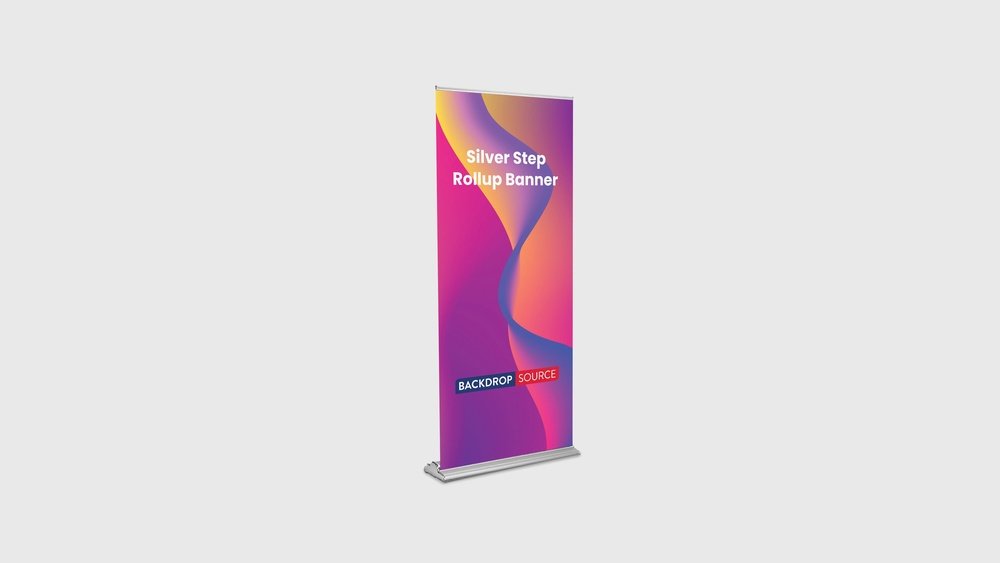
Are you looking for a simple yet powerful way to grab attention and boost your message? A banner might be exactly what you need.
Thank you for reading this post, don't forget to subscribe!Whether you want to promote a sale, announce an event, or make your brand stand out, banners can catch eyes quickly and clearly. You’ll discover how banners work, why they matter, and how to create one that truly connects with your audience.
Keep reading, and you’ll learn the secrets to making your message impossible to ignore.

Credit: www.freepik.com
Choose Clear, Bold Fonts
Choosing clear, bold fonts is key for an effective banner. The right font grabs attention fast. It helps people read your message easily. A banner should speak clearly without making viewers guess.
Bold fonts stand out against backgrounds. They make words pop and look strong. Clear fonts avoid confusion and keep your message simple. This keeps your banner clean and easy to understand.
Use Fonts That Are Easy To Read
Select fonts with simple shapes and clean lines. Avoid fancy or script fonts that look messy. Letters should not blend together. Clear fonts help viewers read from far away.
Choose Bold Fonts For Strong Impact
Bold fonts catch eyes quickly. They work well for short, important messages. Use bold styles to highlight key words. This draws focus to your banner’s main point.
Match Font Style With Your Banner’s Purpose
Fonts should fit your banner’s tone. Use serious fonts for professional messages. Fun fonts work for casual or creative banners. The font style sets the mood before reading.
Test Font Size And Spacing
Ensure letters are big enough to read easily. Space between letters should not be too tight or wide. Proper size and spacing improve clarity and comfort for readers.
Use Vibrant, Eye-catching Colors
Using vibrant, eye-catching colors in banners grabs attention fast. Colors can make your message stand out from other content. Bright colors create energy and excitement. They invite viewers to stop and look. Choosing the right colors boosts the banner’s impact and helps communicate your message clearly.
Colors also affect emotions and mood. Warm colors like red and orange feel bold and urgent. Cool colors like blue and green bring calm and trust. The right mix of colors guides viewers to focus on key parts of the banner. Vibrant colors keep the design lively and memorable.
Choose Colors That Match Your Brand
Brand colors build recognition and trust. Use your brand’s main colors in the banner. This keeps your message consistent everywhere. Combine brand colors with bright accents. This creates contrast and draws the eye. Colors that fit your brand feel natural and strong.
Create Contrast For Better Readability
Contrast makes text and images easier to see. Use light text on dark backgrounds or vice versa. High contrast helps your message stand out clearly. Avoid colors that blend and cause confusion. Clear contrast keeps viewers reading and understanding.
Limit The Number Of Colors
Too many colors can overwhelm and confuse viewers. Stick to two or three main colors. Use one color for the background and others for text or highlights. Simple color schemes look clean and professional. Less is often more in effective banner design.
Use Color Psychology To Influence Action
Colors can encourage viewers to act. Red creates urgency for sales or limited offers. Green signals safety and growth for environmental messages. Blue builds trust for services and products. Pick colors that match the action you want from viewers.
Incorporate Strong Visuals
Banners catch the eye through strong visuals. These visuals guide attention quickly. They help viewers understand your message fast. Good visuals make your banner clear and attractive.
Choosing the right image or graphic is key. It should match your message and brand style. Bright colors or simple shapes often work best. Avoid clutter to keep the focus on what matters.
Use High-quality Images
Blurry or pixelated images reduce trust and interest. High-quality images look sharp and professional. They show care and attention to detail. Choose images that load fast to keep visitors engaged.
Choose Colors Wisely
Colors affect mood and readability. Use colors that match your brand and message. Contrast between text and background helps readability. Stick to a simple color palette for clarity.
Include Clear Focal Points
A focal point draws the viewer’s eye first. It could be a product, logo, or call-to-action button. Use size and placement to highlight this point. Avoid too many elements competing for attention.
Keep Messaging Concise
Keeping your banner message short and clear helps grab attention fast. People see banners for only a few seconds. A long message can confuse or lose interest.
Short messages deliver the main idea quickly. They make your banner easy to read. Visitors understand your offer or message right away.
Focus On One Key Message
Choose a single idea for your banner. Avoid adding many points. A focused message is stronger and easier to remember.
Use Simple Words
Pick words that everyone knows. Avoid complex or technical terms. Simple language helps more people understand your banner.
Limit Text Length
Keep your text brief and to the point. Use short sentences or phrases. Less text makes your banner clean and attractive.
Highlight Important Words
Make key words stand out. Use bold or different colors. This guides the reader’s eyes to the main message.
Use Clear Call-to-actions
Tell visitors what to do next. Use short commands like “Buy Now” or “Learn More.” Clear calls increase clicks and engagement.
Optimize Banner Size And Placement
Optimizing banner size and placement is key to catch attention. The right size makes the banner clear and easy to read. Poor placement can make people ignore it completely. This section explains how to choose the best size and place banners effectively.
Choose The Right Banner Size
Select a banner size that fits your website layout. Too big banners can look overwhelming. Too small banners might be missed. Standard sizes like 728×90 for leaderboard or 300×250 for medium rectangle work well. These sizes fit most screens and devices.
Place Banners Where Users Look First
Users focus on the top and center of a page. Place banners near the header or above the fold. This spot gets the most views. Banners on the sidebars can also work well. Avoid placing banners at the bottom where few users scroll.
Use Responsive Banners For Different Devices
People visit websites on phones, tablets, and computers. Responsive banners adjust size based on the device. This keeps banners visible and readable everywhere. It improves user experience and click rates. Test banners on multiple devices to ensure they display properly.

Credit: www.bannerbuzz.com
Include A Compelling Call To Action
A banner’s call to action (CTA) guides users on what to do next. A clear and strong CTA can increase clicks and engagement. It tells visitors exactly what step to take. This helps turn visitors into customers or followers. Without a good CTA, a banner may be ignored.
Use Clear And Direct Language
Keep your CTA simple and easy to understand. Use words like “Buy,” “Sign Up,” or “Learn More.” Avoid complex phrases that confuse readers. The goal is to make the action obvious. Short commands work best on banners.
Create A Sense Of Urgency
Encourage quick action by adding urgency. Phrases like “Limited Time” or “Only Today” push users to act fast. This prevents hesitation and increases conversions. Urgency makes the offer feel special and rare.
Make Your Cta Stand Out
Use contrasting colors and bold fonts for the CTA button. This draws the eye and grabs attention immediately. Place the CTA in a visible spot on the banner. It should be easy to find without searching.
Offer A Clear Benefit
Tell users what they get by clicking your CTA. Highlight benefits like discounts, free trials, or exclusive content. Showing value motivates users to take action. People respond better to clear rewards.
Maintain Brand Consistency
Maintaining brand consistency is key to building trust and recognition. A consistent banner helps customers recognize your brand quickly. It creates a strong and clear message.
Every banner should follow your brand’s style rules. This keeps your brand image uniform across all platforms. Consistency builds a professional and reliable appearance.
Use Consistent Colors And Fonts
Choose colors that match your brand palette. Use the same fonts as your logo and website. This keeps your banner familiar and easy to read.
Colors and fonts create a visual link between your banner and brand. Avoid mixing different styles that confuse viewers.
Keep Your Logo Visible
Place your logo in the same spot on every banner. Make sure it is clear and not too small. The logo helps people remember your brand.
A visible logo strengthens brand identity and trust. It makes your banner look professional and complete.
Match Your Brand Voice
Use words and tones that match your brand’s personality. Whether serious or playful, keep it the same. This helps your audience connect with your message.
Consistent brand voice makes your banner more effective. It supports your overall brand story and values.

Credit: www.bannerbuzz.com
Frequently Asked Questions
What Is A Banner In Digital Marketing?
A banner is a graphic display used to promote products or services online. It grabs attention on websites or social media pages.
How Do Banners Help Increase Website Traffic?
Banners attract visitors by highlighting deals or new offers clearly. They encourage clicks that lead users to a website.
What Are Common Types Of Banners Used Online?
Common types include static images, animated graphics, and interactive banners. Each type serves different marketing goals.
What Size Is Best For Website Banners?
The best size depends on the website layout, but 728×90 pixels is popular for top banners. Mobile banners often use 320×50 pixels.
How To Design An Effective Banner Ad?
Use clear text, bright colors, and a strong call to action. Keep the design simple to catch the viewer’s eye fast.
Where Should I Place Banners On A Webpage?
Place banners where visitors look first, such as top or sidebar areas. This boosts visibility and clicks.
Can Banners Improve Brand Awareness?
Yes, banners show your brand logo and message repeatedly. This helps people remember your brand easily.
Conclusion
Banners catch attention and share your message clearly. They work well for events, sales, or promotions. Choose bright colors and simple words to stand out. Place banners where many people can see them easily. Keep your design clean and easy to read fast.
Banners help people know what you offer quickly. Use them smartly to support your goals. A good banner can make a big difference. Try different styles to find what fits best. Simple steps lead to better results with banners.
