Are you tired of handing out business cards that just end up forgotten or lost? You’re not alone.
Thank you for reading this post, don't forget to subscribe!Traditional business cards can feel outdated and often fail to make a lasting impression. What if there were smarter, more effective ways to share your contact information and grow your network? You’ll discover fresh alternatives to business cards that grab attention, save time, and help you stand out in any professional setting.
Keep reading to find the perfect option for your style and goals.
Credit: blog.totallypromotional.com
Digital Contact Sharing
Digital contact sharing offers a modern way to exchange information. It replaces paper cards with quick, tech-friendly methods. These options save time and reduce waste.
Digital sharing fits well in today’s fast-paced world. It makes connecting easier and keeps details accurate. Let’s explore some popular digital contact sharing tools.
Nfc Business Cards
NFC business cards use Near Field Communication technology. Tap your phone to the card and the contact info appears instantly. No apps or typing needed. These cards work with most smartphones. They store phone numbers, emails, and social media links. NFC cards feel like traditional cards but with a tech upgrade.
Qr Code Solutions
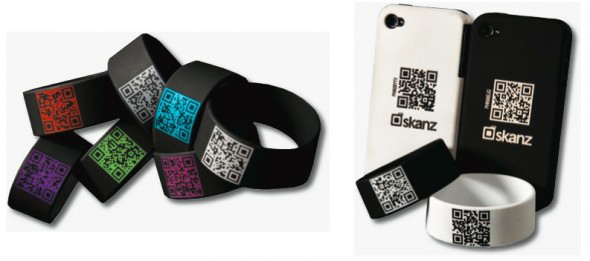
QR codes store contact details in a small square code. Scan the code with a phone camera to save information fast. QR codes can be printed on paper, badges, or screens. They are easy to create and share. Many free tools generate QR codes for contacts. Perfect for events and quick exchanges.
Contact Sharing Apps
Contact sharing apps let you swap details using smartphones. Apps like Bump or HiHello connect users through Bluetooth or Wi-Fi. They store contacts digitally and update information in real time. These apps often include extra features like notes and reminders. They keep contacts organized and easy to find.
Credit: theweek.com
Creative Physical Alternatives
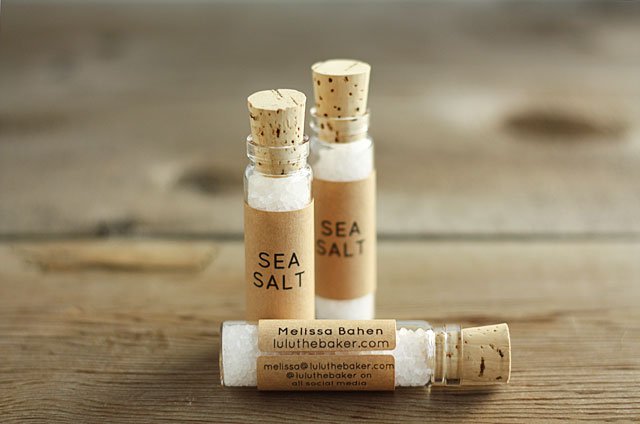
Creative physical alternatives to traditional business cards offer a fresh way to share contact details. These options stand out and leave a lasting impression. Physical items that people can keep or use often make connections feel more personal.
These alternatives also reflect your style and business values. They encourage deeper conversations and help you build stronger relationships.
Custom Usb Drives
Custom USB drives serve as both a contact tool and a useful gift. You can preload them with portfolios, videos, or brochures. These drives are practical, so people often keep them. They help your information stay close and easy to share.
Branded Merchandise
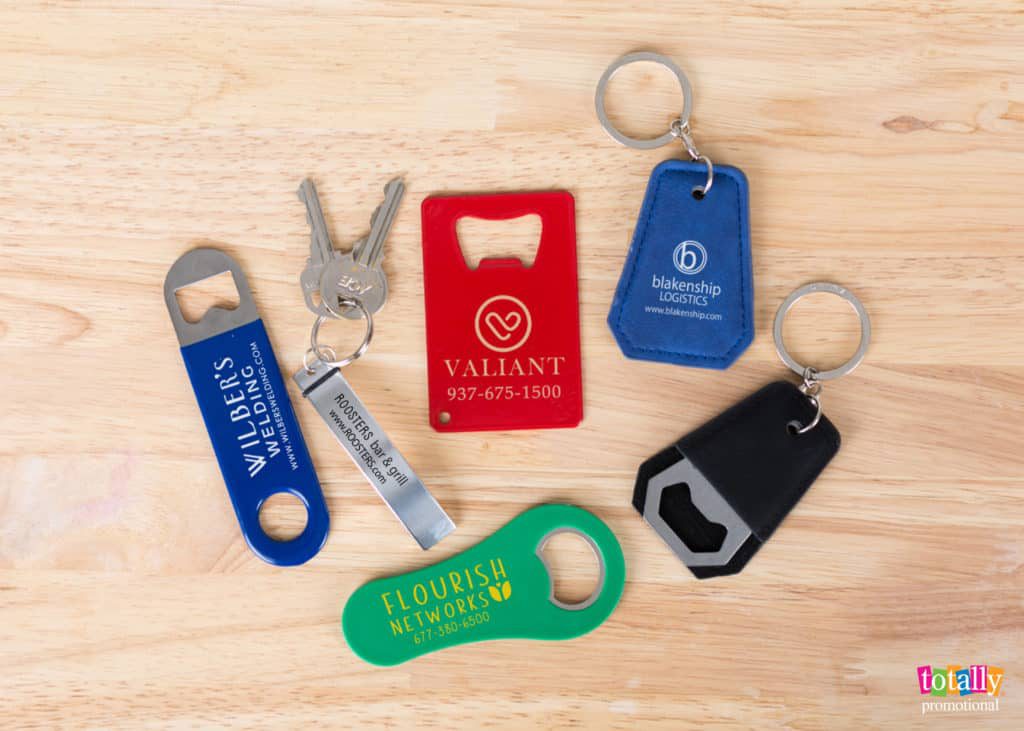
Branded merchandise includes items like pens, notebooks, or tote bags. These items carry your logo and contact info. People use them daily, making your brand visible. This type of marketing keeps you in mind longer than a card.
Mini Portfolios
Mini portfolios showcase your work in a compact format. They provide a tactile experience that engages the senses. This option is perfect for creative professionals. It helps clients see your skills and style directly.
Online Profiles And Networking
Online profiles and networking offer fresh ways to share your professional identity. They help you connect without handing out paper cards. These digital tools show your skills, experience, and personality clearly. They work 24/7, reaching people anytime and anywhere.
These platforms let you build a strong presence. They make it easy for others to find and contact you. Use them well to leave a lasting impression and grow your network.
Linkedin Optimization
LinkedIn is a top place for business networking. Keep your profile complete with a clear photo and headline. Use keywords that match your skills and industry. Write a simple summary that explains what you do and what you offer.
Ask for recommendations from colleagues or clients. They add trust and show your abilities. Post updates about your work or share useful articles. This keeps your profile active and visible to others.
Personal Websites
A personal website acts like a digital business card. It lets you share your portfolio, resume, and contact details all in one place. Use a clean design that is easy to navigate.
Include a clear call to action, such as “Contact Me” or “View My Work.” Regularly update your site with new projects or blog posts. This shows you are active and engaged in your field.
Social Media Channels
Social media platforms help you connect on a more casual level. Choose channels that suit your industry and audience. Share relevant content that shows your knowledge and interests.
Engage with others by commenting and joining groups. This builds relationships and expands your reach. Keep your profiles professional but approachable. This balance invites meaningful connections.
Credit: printsome.com
Interactive Presentation Tools
Interactive presentation tools offer new ways to share your contact and business information. They make your introduction more engaging and memorable. These tools work well in digital meetings and face-to-face events. They help you stand out without handing out paper cards.
Digital Brochures
Digital brochures present your services or products clearly. They include images, text, and links all in one file. People can view them on their phones or computers. You can update the content anytime without printing new copies. They save money and keep your message fresh.
Virtual Business Cards
Virtual business cards share your contact details instantly. They use QR codes or links to connect with others. Recipients save your info directly to their phones. This method reduces paper waste and is easy to share. Virtual cards often include social media and website links too.
Video Introductions
Video introductions add a personal touch to your networking. A short video shows your face and voice. It helps build trust and make a stronger connection. Videos can explain your work quickly and clearly. You can send them by email or social apps.
Eco-friendly Options
Choosing eco-friendly options for business cards helps protect the environment. Many businesses now prefer sustainable choices that reduce waste and pollution. These alternatives still offer a professional look but with a smaller carbon footprint.
Seed Paper Cards
Seed paper cards are made from recycled paper embedded with seeds. After use, recipients can plant the card in soil. The card will grow into flowers, herbs, or vegetables. This option combines marketing with environmental care. It leaves a lasting impression beyond just contact details.
Recycled Materials
Cards made from recycled materials use waste paper or plastics. This process saves trees and reduces landfill waste. These cards look and feel like regular business cards. They show your commitment to sustainability in a simple way. Choose designs that highlight your eco-friendly values.
Paperless Networking
Paperless networking uses digital tools to share contact information. Apps, QR codes, and NFC chips replace physical cards. This method eliminates paper waste completely. It allows instant sharing and easy updates to your info. It suits tech-savvy professionals and modern business styles.
Choosing The Right Alternative
Choosing the right alternative to business cards can improve your networking. It depends on your audience, budget, and brand style. Different options suit different needs. Consider these factors to pick the best fit.
Audience Considerations
Think about who you want to reach. Younger audiences may prefer digital options like QR codes or social media links. Older clients might appreciate a simple, physical handout. Match the alternative to their habits and preferences. This makes your contact details easier to save and use.
Budget And Resources
Some alternatives cost less than printing business cards. Digital options often require only a smartphone or app. Custom gadgets or high-tech tools may be expensive. Choose options that fit your budget. Also, consider the time and effort needed to maintain them.
Brand Consistency
Your contact method should reflect your brand’s style. Use colors, fonts, and logos that match your business identity. Keep the design clear and professional. Consistency builds trust and helps people remember you. Avoid options that look out of place or confusing.
Frequently Asked Questions
What Are The Best Digital Alternatives To Business Cards?
Digital alternatives include QR codes, NFC tags, and virtual business cards. These options offer easy sharing, eco-friendliness, and instant updates.
How Do Virtual Business Cards Improve Networking?
Virtual cards allow quick sharing via email or social media. They save time, reduce waste, and keep contact info updated automatically.
Can Qr Codes Replace Traditional Business Cards Effectively?
Yes, QR codes link directly to your contact details or portfolio. They are convenient, interactive, and easily scanned by smartphones.
What Are Nfc Business Cards And Their Benefits?
NFC cards use near-field communication to share info instantly. They are reusable, tech-savvy, and enhance professional impressions.
Conclusion
Choosing alternatives to business cards can help you stand out. Digital options save paper and make sharing easy. They fit well with today’s fast, online world. Simple tools like QR codes or social apps work great. These choices build connections without the hassle of carrying cards.
Try different methods to find what suits you best. Stay open to new ways of networking. This keeps your approach fresh and effective. Your contacts will appreciate the convenience and clarity. Keep growing your network with smart, easy solutions.