
Imagine a world where everyone can easily access information, services, and spaces without obstacles. Accessibility is the key that unlocks this world for you and millions of others.
Thank you for reading this post, don't forget to subscribe!Whether you’re browsing a website, using an app, or navigating a building, accessibility affects how smoothly you can get what you need. You’ll discover why accessibility matters so much and how simple changes can make a big difference in your daily life.
Keep reading to learn how you can create or support environments that welcome everyone, including yourself.
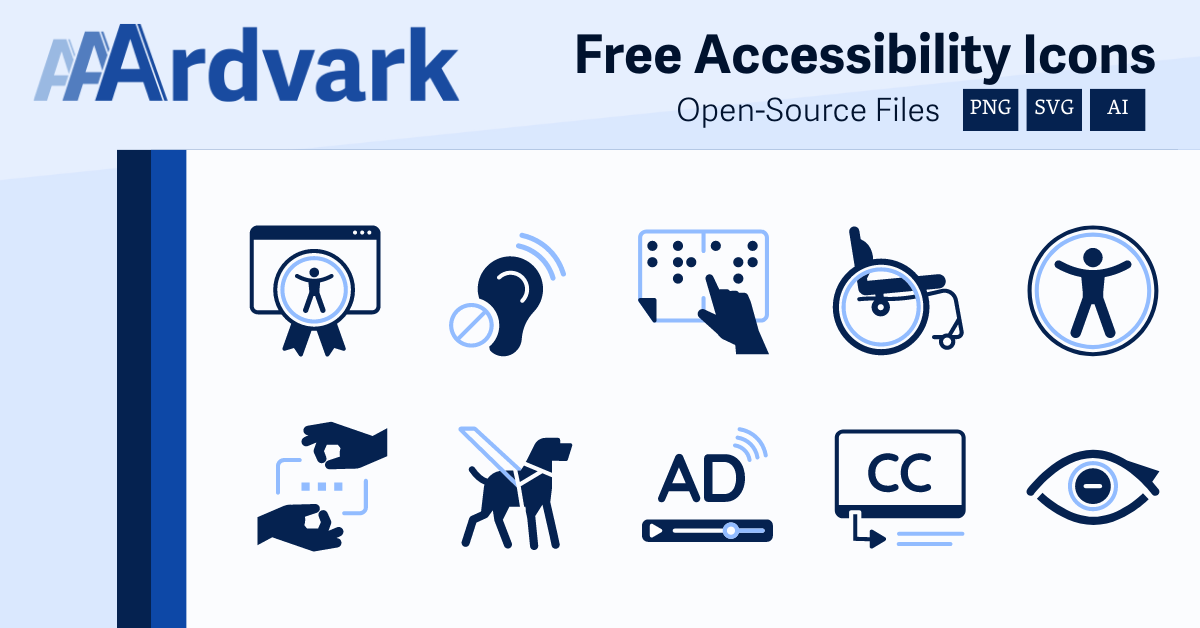
Credit: aaardvarkaccessibility.com
Importance Of Accessibility
Accessibility means making websites and apps easy for everyone to use. It helps people with disabilities access information. Accessibility improves user experience for all visitors. It is a key part of good design and fairness.
Many people have disabilities like vision, hearing, or motor challenges. Without accessibility, they may face barriers online. Accessibility removes these barriers and opens doors to information. It also supports legal rules that require equal access.
Improves User Experience For Everyone
Accessible sites are clearer and simpler to navigate. They help all users find what they need quickly. Good contrast, readable fonts, and easy controls benefit every visitor. Accessibility means better usability and less frustration.
Expands Audience Reach
Making content accessible reaches more people. It includes millions of users with disabilities worldwide. An accessible site welcomes a wider audience. This can lead to more visits and better engagement.
Supports Legal Compliance
Many countries have laws about digital accessibility. These laws protect people with disabilities. Websites must meet certain standards to avoid penalties. Accessibility helps businesses stay within the law.
Boosts Brand Reputation
Accessible websites show that a brand cares about everyone. It builds trust and respect among users. People prefer brands that are inclusive. Accessibility can create positive public image.
Key Principles Of Inclusive Design
Inclusive design makes products and spaces usable by everyone. It focuses on removing barriers. The goal is to create equal access and opportunity. This means thinking about different needs and abilities from the start.
Inclusive design is not just for people with disabilities. It helps all users have a better experience. Designers follow some key principles to achieve this. These principles guide the process and ensure fairness.
Perceivable Content
Information must be easy to see or hear. Text should have good contrast with the background. Use clear fonts and readable sizes. Offer alternatives like captions or audio descriptions. This helps users who have trouble seeing or hearing.
Operable Interfaces
Users must be able to interact in different ways. Make sure all functions work with a keyboard. Avoid time limits that cause stress. Provide easy navigation and clear instructions. This supports people with limited movement or control.
Understandable Information
Content should be simple and clear. Use short sentences and common words. Avoid jargon and complex language. Instructions need to be easy to follow. This helps users with learning difficulties or language barriers.
Robust Compatibility
Designs must work on many devices and tools. Ensure compatibility with assistive technologies. Test across browsers and platforms. This guarantees that everyone can access your content without trouble.
Common Accessibility Barriers
Many people face challenges using websites and digital tools. These challenges create barriers. Barriers stop users from accessing content easily. Understanding these common barriers helps improve accessibility. This makes websites better for everyone.
Barriers come in different forms. Some are visible, and some are not. Each barrier affects a group of users differently. Removing these barriers is key to an inclusive web.
Visual Barriers
Visual barriers affect people with low vision or blindness. Small text, poor color contrast, and missing alt text cause problems. Images without descriptions leave users confused. Text that is hard to read slows down users. Clear fonts and good contrast help overcome visual barriers.
Hearing Barriers
Hearing barriers impact users who are deaf or hard of hearing. Videos without captions or transcripts exclude these users. Sounds or alerts without visual signals create confusion. Providing subtitles and visual cues makes content accessible.
Motor Barriers
Motor barriers affect people with limited movement. Complex navigation and small clickable areas create difficulties. Users may struggle with mouse or keyboard controls. Simple layouts and larger buttons improve access. Allowing keyboard-only navigation helps many users.
Cognitive Barriers
Cognitive barriers affect understanding and focus. Complex language and cluttered pages cause confusion. Users with learning disabilities need clear text and simple layouts. Breaking content into small sections helps comprehension. Using plain language makes content easier to follow.
Credit: aaardvarkaccessibility.com
Assistive Technologies In Use
Assistive technologies help people with disabilities use digital content easily. These tools make websites, apps, and devices accessible to everyone. They support different needs, such as vision, hearing, and motor skills. Understanding these technologies helps create better user experiences.
Screen Readers
Screen readers read text aloud from a screen. They help people who are blind or have low vision. These tools convert written content into speech. Users can listen and navigate through websites using keyboard commands.
Voice Recognition Software
Voice recognition software converts spoken words into text. It allows people with limited hand use to control devices. Users can write, browse, and operate apps by speaking commands. This technology improves independence and ease of use.
Screen Magnifiers
Screen magnifiers enlarge text and images on the screen. They assist people with low vision to see content clearly. Users can adjust the size and color to fit their needs. This simple tool enhances readability without changing the content.
Alternative Input Devices
Alternative input devices replace the mouse or keyboard. Examples include switch controls, joysticks, and eye-tracking systems. These devices help users with motor disabilities interact with computers. They offer various ways to navigate and input data.
Closed Captioning And Transcripts
Closed captions show text for spoken audio in videos. Transcripts provide a full written version of audio content. These tools support people with hearing impairments. They also help users understand content in noisy environments.
Accessibility In Digital Spaces
Accessibility in digital spaces means making websites and apps easy for everyone. It helps people with disabilities use the internet without trouble. This includes people with vision, hearing, or motor challenges. Accessible digital spaces improve the experience for all users.
Designing for accessibility means thinking about many needs. Text should be easy to read. Images need clear descriptions. Navigation must be simple and consistent. These changes make websites better for everyone.
Using Clear And Simple Language
Clear language helps users understand content quickly. Short sentences and common words work best. Avoid jargon or complex terms. This makes reading easier for people with learning difficulties and non-native speakers.
Providing Text Alternatives For Media
Text alternatives describe images, videos, and sounds. They help users who cannot see or hear. Alt text for images and captions for videos are key. These tools ensure everyone can access the content.
Designing For Keyboard Navigation
Some users cannot use a mouse. They rely on keyboards or other devices. Websites must support keyboard-only navigation. Clear focus indicators show where users are on the page. This helps users move around easily.
Ensuring Color Contrast And Visual Clarity
Good color contrast improves readability. Text should stand out from backgrounds. Avoid color combinations that are hard to see. This supports users with vision impairments and color blindness.
Legal Standards And Compliance
Legal standards for accessibility protect the rights of people with disabilities. These laws ensure equal access to websites, apps, and digital content. Businesses and organizations must follow these rules. Not following them can lead to fines and lawsuits.
Compliance with accessibility laws builds trust and improves user experience. It shows respect for all users. Meeting these standards also helps reach a wider audience. Accessibility is not just a legal need; it’s a chance to be inclusive.
Understanding The Americans With Disabilities Act (ada)
The ADA is a key law in the United States. It requires public spaces to be accessible. This includes websites and digital tools. Courts have ruled that websites must follow ADA rules. This means making content usable for everyone.
Web Content Accessibility Guidelines (wcag)
WCAG provides clear rules to make web content accessible. It is created by the World Wide Web Consortium (W3C). These guidelines focus on making websites easy to see, hear, and navigate. Many laws refer to WCAG as a standard. Following WCAG helps avoid legal issues.
Section 508 Compliance
Section 508 applies to U.S. federal agencies. It requires their electronic content to be accessible. This law also affects contractors working with the government. Section 508 uses WCAG standards as a reference. Meeting these rules is mandatory for federal projects.
Global Accessibility Laws
Other countries have their own laws about accessibility. The European Union enforces the European Accessibility Act. Canada follows the Accessible Canada Act. These laws share the goal of equal access. Businesses working internationally should know these rules.
Future Trends In Inclusive Design
The future of inclusive design focuses on making products and spaces usable for everyone. It aims to remove barriers and create equal access. Technology and creativity work together to shape this future.
Designers use new tools and ideas to improve accessibility. The goal is simple: include all people, regardless of ability. Here are key trends shaping the future of inclusive design.
Ai And Machine Learning For Personalized Accessibility
AI helps create experiences tailored to each user’s needs. Machine learning adjusts settings automatically based on preferences. This makes devices and websites easier to use. It helps people with different disabilities access content smoothly.
Voice And Gesture Controls
Voice commands allow hands-free interaction with devices. Gesture controls offer another way to navigate without touching screens. These tools support users with mobility or vision challenges. They add convenience and flexibility in many environments.
Virtual And Augmented Reality
VR and AR create new ways to experience spaces and products. They can simulate real-world scenarios for training or therapy. These technologies offer immersive learning for people with disabilities. They also help test accessibility in design phases.
Inclusive Design In Smart Homes
Smart homes adapt to residents’ needs automatically. Sensors and smart devices assist with daily tasks. This technology supports independence for people with disabilities. Homes become safer and more comfortable through these innovations.
Universal Design Principles Growing Stronger
Universal design means creating for the widest range of people. It integrates accessibility from the start of any project. This approach reduces the need for special adaptations later. More industries adopt these principles to reach all users.
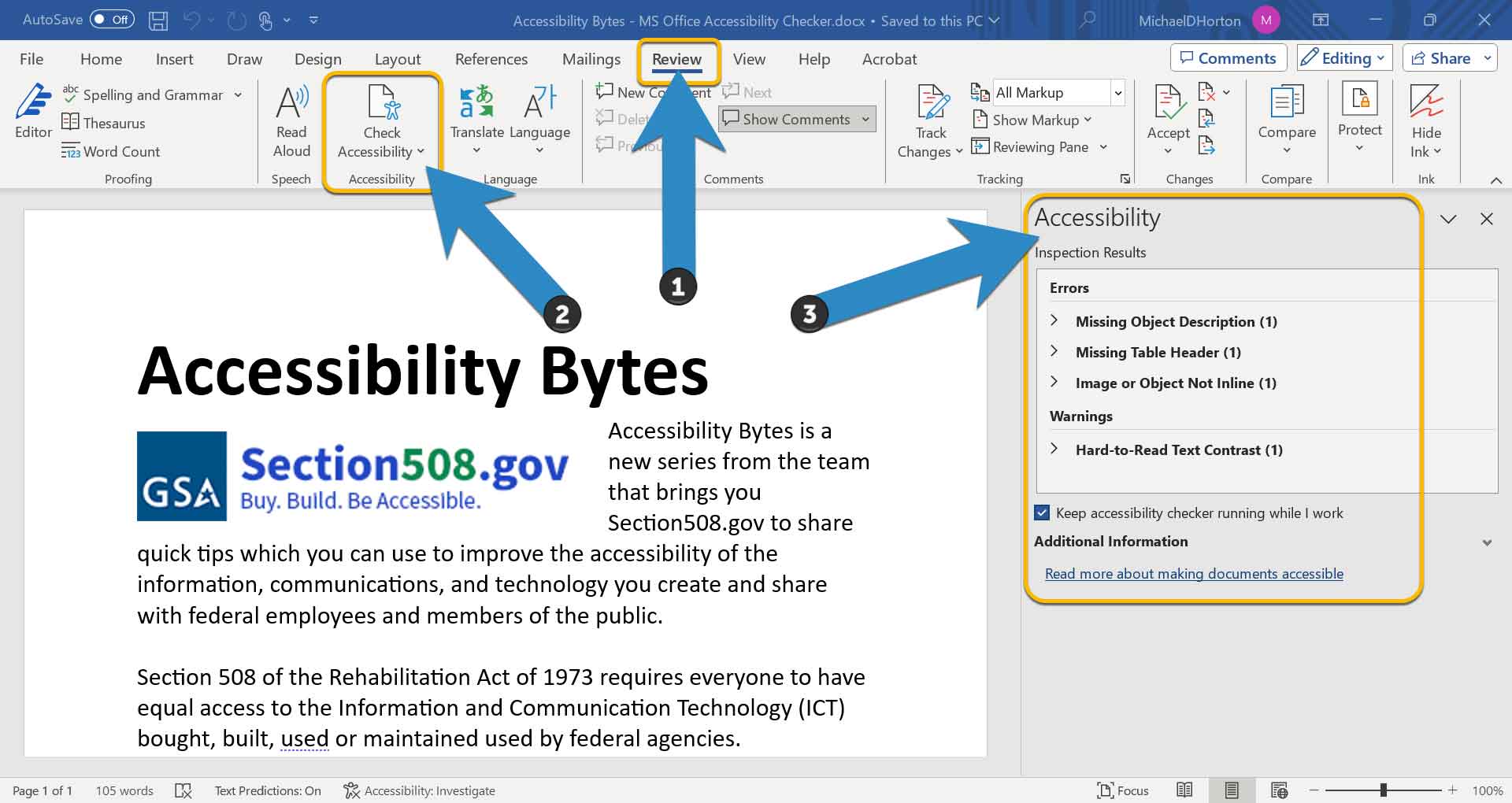
Credit: www.section508.gov
Frequently Asked Questions
What Is Accessibility And Why Is It Important?
Accessibility means making places, products, and services usable by everyone. It helps people with disabilities live and work independently. Good accessibility improves life for all users.
How Does Digital Accessibility Affect Website Users?
Digital accessibility ensures websites work well for people with disabilities. It includes clear text, easy navigation, and screen reader support. This helps more people access information online.
What Are Common Barriers To Accessibility?
Barriers include poor design, small text, unclear images, and lack of captions. These make it hard for people with vision, hearing, or mobility issues. Removing barriers creates equal access for all.
How Can Businesses Improve Physical Accessibility?
Businesses can add ramps, wide doors, and accessible restrooms. Clear signs and good lighting also help. These changes make spaces welcoming and easy to use.
What Laws Support Accessibility Rights?
Laws like the ADA in the US require accessible public spaces and services. They protect people with disabilities from discrimination. Following these laws is both legal and ethical.
Why Is Accessibility Important For Education?
Accessibility ensures all students can learn and participate fully. It includes tools like subtitles, braille, and adaptive technology. This creates a fair learning environment for everyone.
How Does Accessibility Benefit All Users, Not Just Disabled People?
Accessible design helps older adults, people with temporary injuries, and even busy users. Features like voice control and simple layouts improve usability for everyone. Accessibility means better experiences for all.
Conclusion
Accessibility helps everyone use websites and services easily. It removes barriers for people with disabilities. Simple design choices make a big difference. Everyone deserves equal access to information and tools. Small changes can create a friendlier environment online. Accessibility benefits users of all ages and abilities.
It also improves overall user experience. Keep learning and applying accessibility best practices. This effort makes the digital world better for all.
